

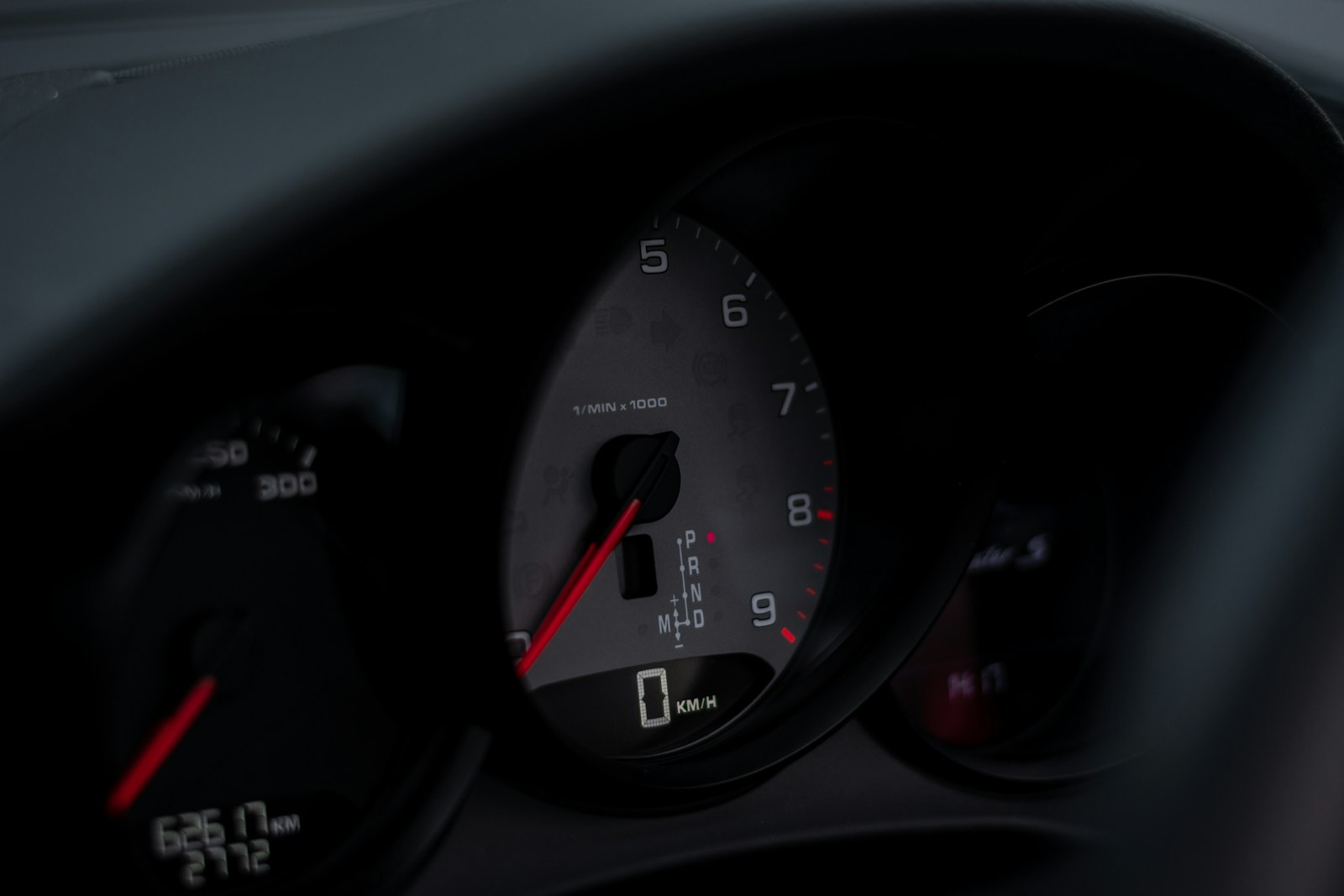
He thought he’d done everything right. He’d shown up in daylight, brought a friend who “knows cars,” and made the seller walk him through the basics like it was a job interview. The car was clean, the test drive was smooth, and the dash read a totally believable 92,000 miles for a ten-ish-year-old commuter.
The seller had that casual, practiced confidence too—nothing loud, nothing pushy. He had a folder with a couple receipts, a fresh-looking detail job, and a line about “mostly highway miles” that came out like he’d said it a hundred times. The buyer handed over the money, got the title, and drove home feeling like he’d finally scored a decent used car without getting hosed.
It wasn’t the engine or the transmission that gave it away. It was an oil change sticker, sun-faded and half peeled, tucked up in the corner of the windshield like a little time bomb someone forgot to remove.
The “good deal” energy
The buyer had been searching for weeks, bouncing between overpriced dealer lots and private sellers who answered questions like they were doing him a favor. This one seemed different: normal neighborhood, normal guy, normal story. The price was a little under market, but not so low it screamed scam.
They met in the seller’s driveway, and the seller did the whole friendly routine—offering a bottle of water, making small talk, pointing out tiny cosmetic flaws like that was “full transparency.” The buyer noticed the tires looked newer and the interior didn’t smell like smoke or wet dog, which in used-car land is basically a luxury feature.
The seller said he was letting it go because he’d bought something bigger. He was vague in a way that didn’t feel suspicious in the moment, just private. When the buyer asked about maintenance, the seller shrugged and said he kept up with oil changes “like clockwork.”
The sticker that didn’t match the story
A couple days later, the buyer was doing that new-to-you-car ritual: going over every button, every compartment, every tiny thing he hadn’t had time to notice during the test drive. That’s when he saw it. A little square oil change reminder sticker, stuck high on the windshield, not obvious unless the sun hit it just right.
It didn’t say “next service due at 95,000” or anything close. It said something like “NEXT OIL CHANGE: 172,400,” with a date from the previous year. The buyer stared at it long enough that his brain tried to explain it away—maybe the sticker was from another car, maybe the shop made a typo, maybe it was kilometers, maybe he was just reading it wrong.
But the ink was clear. The handwriting looked like a shop tech’s quick scrawl. And the dash still sat there, calm as anything, showing 92,xxx miles like it had no idea it was being accused of a felony.
He went from confusion to that cold, prickly feeling people get when they realize they might’ve been played. Not “oops, I overpaid a bit,” but “someone lied to my face and took my money.”
Trying to prove he wasn’t imagining it
At first, the buyer did what most people do when something feels unreal: he tried to disprove himself. He pulled the Carfax-style report he’d been too cheap to buy before the sale, because of course he did. It showed some records, but they were spaced out and weirdly incomplete, like the car had lived large chunks of its life in the shadows.
Then he started looking for other breadcrumbs. The wear on the driver’s seat suddenly seemed louder. The steering wheel had that polished smoothness that usually comes from a lot of hands, a lot of time. The pedals looked more worn than the mileage suggested, the rubber slightly thinned like it had seen far more stop-and-go than “mostly highway.”
He opened the driver’s door and checked the jamb for the VIN sticker, then popped the hood and hunted for the same numbers on the frame like he’d watched a dozen videos on how to spot a swap. Everything matched. It wasn’t a Frankenstein car, which weirdly made it worse—this was probably the same car, just… rewritten.
He took a picture of the oil sticker, then a picture of the dash with the current mileage, making sure the timestamps were visible. He took a video too, panning from the sticker to the odometer like he was building a case file. The whole time, he kept thinking about the seller’s face and how normal it had been.
The seller’s tone shift
When he finally texted the seller, he didn’t come in screaming. He sent the photos and a simple message: “Hey, can you explain this? Oil sticker says 172k and dash says 92k.” He waited for the reasonable explanation he’d been hoping for—some mix-up, some mistake, something that wouldn’t ruin his week.
The seller didn’t respond for hours. When he did, it was short and weirdly annoyed, like the buyer was bothering him about a scratch. He said the sticker must’ve been from the previous owner, or maybe the shop wrote it wrong, and besides, the buyer already bought the car “as is.”
That “as is” line flipped a switch. It wasn’t just a legal phrase; it was a tone. The buyer pressed back, asking for maintenance paperwork, asking where the car had been serviced, asking why a random shop would write an oil-change interval that was almost exactly 80,000 miles higher than the dash.
The seller’s messages got colder and more defensive. He stopped trying to explain and started trying to end the conversation. One of those people who, once cornered, talks like the whole issue is your attitude for bringing it up.
The messy middle: receipts, shops, and a bad feeling that won’t go away
The buyer went back through what the seller had given him—those few receipts in the folder. Some were generic parts-store stuff, nothing with mileage listed. The only service invoice that did show mileage was old, and it didn’t help; it just proved the car existed at a certain point in time and didn’t bridge the gap between 92k and the sticker’s 172k.
So he did the next thing: he called oil change places in the area, using the shop name printed on the sticker. One place said they couldn’t give out customer info without the owner present, which is fair. Another said they didn’t recognize the sticker format, which only made the buyer’s stomach drop more, because what kind of legitimate shop leaves a number like that and then can’t be found?
He started noticing more little tells that felt like they’d been invisible before. The trip meter had been reset recently. The infotainment system had old phone pairings still in memory. Even the headlight lenses looked hazier than a sub-100k car usually has, like the car had spent years baking in sun.
Nothing was a smoking gun on its own. But together, it had that unmistakable shape: a car that had lived a much longer life than it was admitting.
Where it leaves him: stuck with a question mark
The buyer’s options narrowed fast. Private-party sales don’t come with the same easy unwind button as a dealer transaction, and the seller clearly wasn’t interested in playing fair now that the money had changed hands. The buyer could threaten legal action, report suspected odometer fraud, try to dig up hard records, maybe even pay a mechanic to pull data from modules that sometimes store mileage separately—but every step cost time and money, and none of it guaranteed he’d get his cash back.
Meanwhile, the car was sitting there in his driveway, running fine, almost taunting him with normalcy. That’s what made it so maddening: it wasn’t a dramatic breakdown that forced the truth out. It was a tiny sticker, half peeling in the corner of the glass, quietly suggesting the car had already done an extra 80,000 miles of life before he ever got the keys.
And the seller? He’d gone mostly silent, only popping back up to repeat variations of “you bought it as is” like that was a magic phrase that erased intent. The buyer couldn’t shake the feeling that the seller wasn’t confused at all—just annoyed that the buyer noticed the one piece of evidence he forgot to scrape off.
By the time the buyer stopped texting, it wasn’t because he felt better. It was because he could feel the conversation turning into a wall he’d be arguing with forever. The worst part wasn’t even the mileage—it was the realization that somewhere between the handshake and the drive home, he’d been sold a story, and the story was the most carefully maintained part of the whole car.