

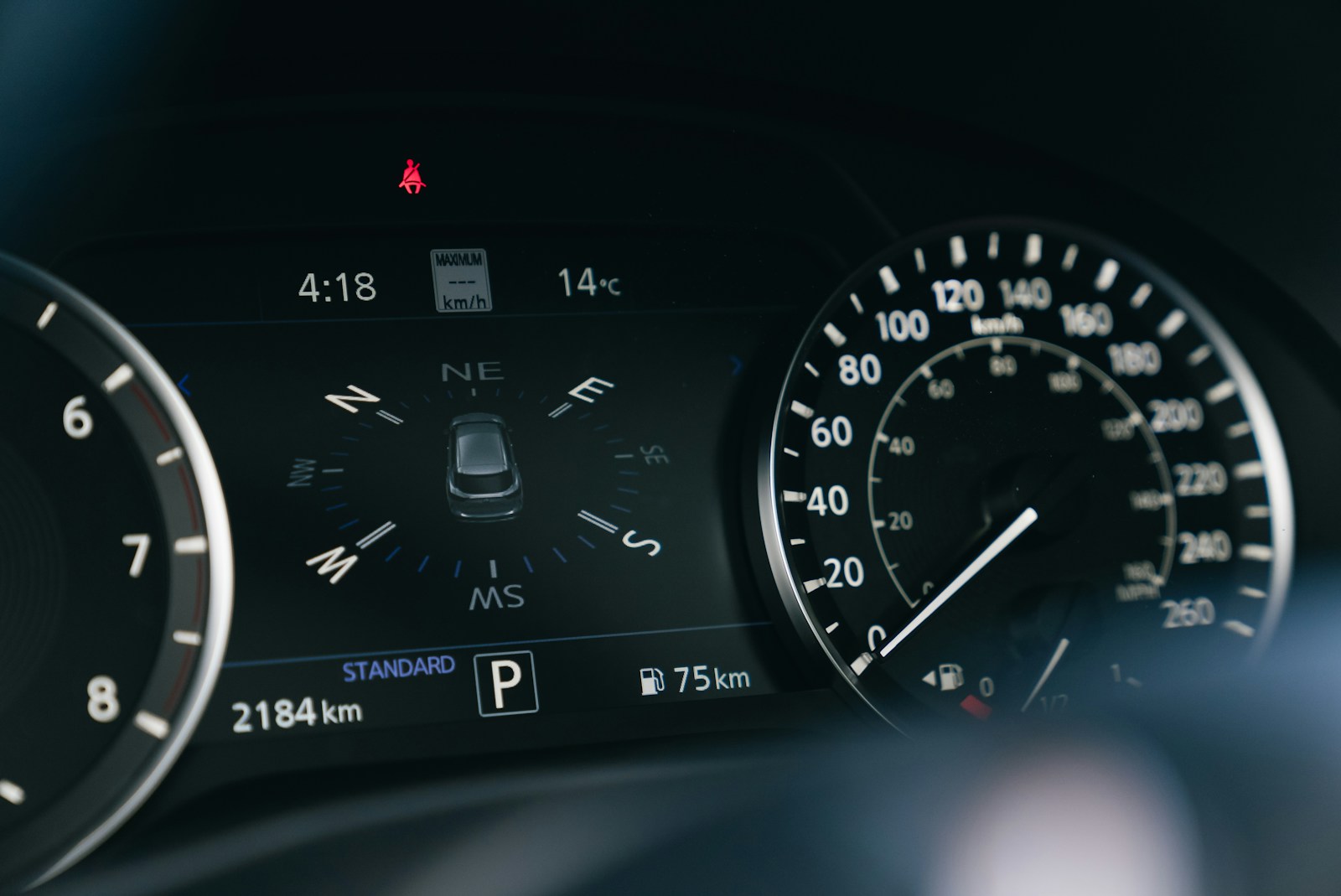
He thought he was doing everything right. He brought a flashlight, wore old jeans, and showed up with that calm, slightly suspicious energy you need when you’re buying a used car from a stranger who keeps saying things like “I’m a straight shooter.” The car was a ten-year-old commuter sedan—clean enough to look loved, cheap enough to feel like a win, and advertised with one magic number that made it irresistible: 78,000 miles.
The seller met him in a grocery store parking lot, leaned against the driver’s door like he’d been waiting all day to hand over the keys, and ran through the script. “Only driven to work and back.” “No issues.” “Just had the oil changed.” He even said he was selling because he “needed something bigger for the family,” which always sounds believable because it’s vague and you can’t really argue with it.
The buyer took it for a quick spin, listened for weird sounds, tested the brakes, checked the AC, and watched the temperature gauge like it was a lie detector. Everything felt… fine. Not perfect, but fine in the way a sensible used car is supposed to be, and the odometer sitting there at 78,412 made the whole deal feel safe.
The deal felt normal—right up until it didn’t
They stood by the hood going over little cosmetic flaws like it was a negotiation ritual. The seller pointed out a scratch on the rear bumper, as if honesty about a paint scrape meant honesty about everything else. The buyer knocked a few hundred off the asking price, the seller sighed dramatically, and they shook on it like two guys closing a deal on a fishing boat.
Paperwork happened fast. The title looked clean, the seller had a stack of maintenance receipts in the glovebox, and the buyer felt that rush of relief that comes right after you hand over a big chunk of money and nobody pulls a weapon or a surprise lien. The seller even threw in a second key “because I’m not trying to be that guy.”
On the drive home, the buyer started noticing small things that didn’t match the mileage. The driver’s seat had that soft, collapsed look like somebody had sat in it for a hundred thousand mornings. The steering wheel wasn’t just shiny from use; it was worn smooth in spots like it had been sanded by years of palms and sweat. He told himself it could be normal—some people are hard on interiors—but it planted a quiet little doubt.
One simple check opened a whole can of worms
The next day he did what a lot of used-car buyers do after the fact, partly out of responsibility and partly out of paranoia. He took the car to a local mechanic for a basic inspection, expecting to pay for peace of mind and maybe hear about a couple of upcoming maintenance items. He mentioned the mileage casually, like it was a settled fact.
The mechanic didn’t say anything right away, just nodded and plugged in a scanner. A few minutes later, he made the kind of face mechanics make when they’re deciding how to explain bad news without getting sued. Then he pointed at his screen and said, “So… the modules are reporting a lot more mileage than what’s on the dash.”
Not “a little higher.” Not “could be a glitch.” More like a different reality. The mechanic explained that in many cars, mileage information can show up in multiple places—engine control module, transmission module, service records stored in the system—and when those don’t match the odometer, it’s usually not an accident. He didn’t say “fraud” out loud, but he didn’t need to.
The buyer asked for specifics, and the mechanic gave him the number: around 143,000 miles. Almost double what the seller had advertised and what the dashboard currently displayed. Suddenly every scuff, every worn button, every slightly tired suspension bounce made perfect sense.
The confrontation was worse than the discovery
He called the seller from the parking lot outside the shop, because waiting would only make him angrier. The seller picked up like he was expecting a friendly question about where the spare tire was. The buyer went straight to it: the mileage didn’t match, the car was reporting 143,000, and he wanted to know why.
There was a pause—not shock, not confusion, just a short silence like someone buying time to choose the least incriminating words. Then the seller laughed, actually laughed, and said something along the lines of, “Man, mileage is just a number.” Like it was a horoscope or an age gap or a speed limit, something flexible if you don’t take it too seriously.
The buyer didn’t laugh. He told him that mileage is the entire reason the price made sense, that it changes the car’s value, and that it’s illegal to roll back an odometer. The seller’s tone shifted into that defensive casualness people use when they’re trying to act above the situation. He said he “didn’t roll back anything” and suggested maybe the shop was wrong, or the computer “reads weird.”
When the buyer pushed—why would the modules show 143,000, why would the service sticker in the door jamb mention a 120,000-mile maintenance interval, why would the tires be dated from years ago—the seller stopped pretending. He went from denial to philosophy. “Bro, it drives fine, right? You like it, right? That’s what matters.”
Receipts, records, and the seller’s shifting story
The buyer went back through the glovebox papers with fresh eyes. Some receipts were for oil changes that made sense at 70k, but others had scribbled mileages that didn’t. One sheet had a faded handwritten note that looked like “132,xxx,” the kind of thing you overlook when you’re excited and trusting. Now it looked like a breadcrumb trail.
He pulled a vehicle history report next, and it didn’t give a neat, cinematic answer, but it did give something worse: a timeline with gaps and inconsistencies. A mileage entry from a state inspection a couple years ago listed it over 130,000, then later it popped up again with 79,000 like the car had learned to time travel. It wasn’t proof beyond all doubt, but it was enough to make the buyer’s stomach sink.
He texted the seller screenshots, keeping it short and factual. The seller responded with a mix of vague outrage and dismissal, as if the buyer was being dramatic over a technicality. At one point, the seller tried the old pivot: “I sold it as-is,” like that phrase is a magic spell that covers deliberate deception.
The buyer asked for a refund, or at least a partial refund to match the real mileage. The seller didn’t say no immediately. He said things like, “Let me see what I can do,” and “I’m busy right now,” and “Why are you trying to make this a big thing?” He also started taking longer to respond, letting hours pass between messages, the digital version of slowly closing a door.
Where it left them: a car, a number, and a threat hanging in the air
In the days that followed, the buyer did what people do when they’re cornered by paperwork and anger. He called the DMV, asked about odometer disclosure forms, and learned which boxes the seller had checked. He asked the mechanic to put the mileage discrepancy in writing, because feelings don’t hold up well when you’re trying to prove something happened on purpose.
The seller, meanwhile, kept acting like the buyer was obsessed with trivia. He’d respond with short, dismissive lines—“It’s an older car, stuff happens”—and then go quiet again. When the buyer mentioned filing a report, the seller suddenly got chatty, swinging between “do what you gotta do” bravado and little attempts to guilt him. “You’re gonna ruin someone over a stupid number?” he wrote, like the buyer was threatening his livelihood over a typo.
And that’s where the whole thing sat: the buyer stuck with a car that might still run fine but now feels tainted every time he looks at the dash, and a seller who keeps hiding behind that smug line—mileage is “just a number”—as if the number wasn’t the entire foundation of the deal. The most infuriating part wasn’t even the rollback; it was the way the seller tried to reframe dishonesty as chill, laid-back wisdom, leaving the buyer with nothing but a steering wheel worn smooth and a long, expensive argument waiting to happen.