
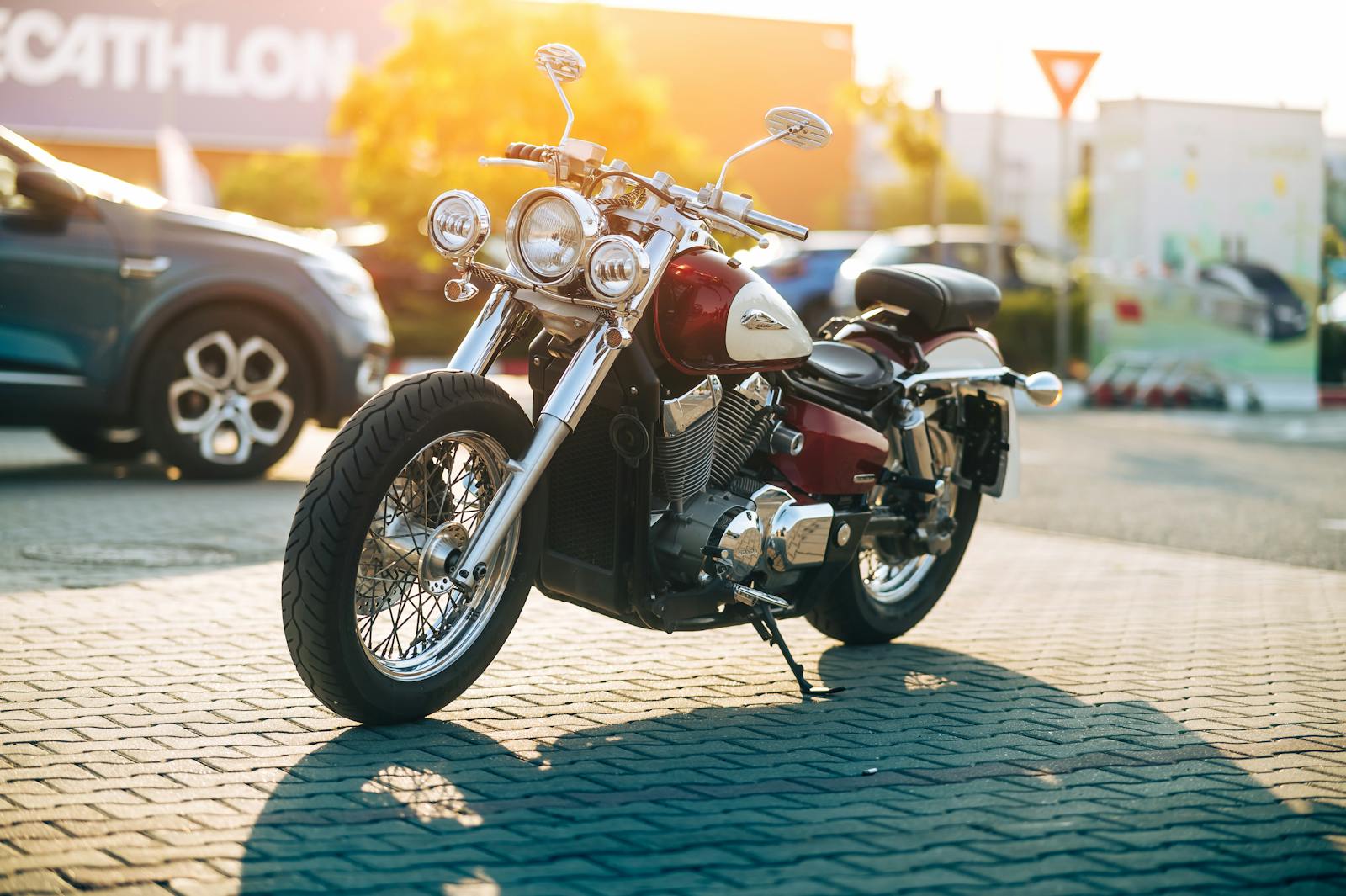

He thought he was doing everything the “right” way for once. Not a sketchy parking-lot meetup, not a guy who “lost the title,” not a too-good-to-be-true cash deal arranged through three different burner numbers. He walked into a dealership, signed paperwork at a desk under fluorescent lights, and rode home on a motorcycle that was supposed to be clean.
For a couple weeks it was that perfect, smug kind of ownership. He’d catch himself looking back at it in parking lots, fiddling with the mirrors, planning little upgrades, taking the long way home just because he could. Then one afternoon it all collapsed in the dumbest, most brutal way: a cop behind him at a red light, a quick glance at the plate, and a tone shift so fast he barely had time to process it. “Hey, man, can you pull over real quick?” turned into “Step off the bike.”
The dealer’s line, when he finally got someone on the phone, was a flat, baffling: “It was an accident.” Like the dealership had accidentally sold him a stolen motorcycle the same way someone accidentally gives you the wrong change at the grocery store. And now, while the bike was headed for an evidence lot and his insurance and registration were suddenly useless pieces of paper, everybody involved kept asking him for the one thing he didn’t have anymore: patience.
The purchase that felt “safe”
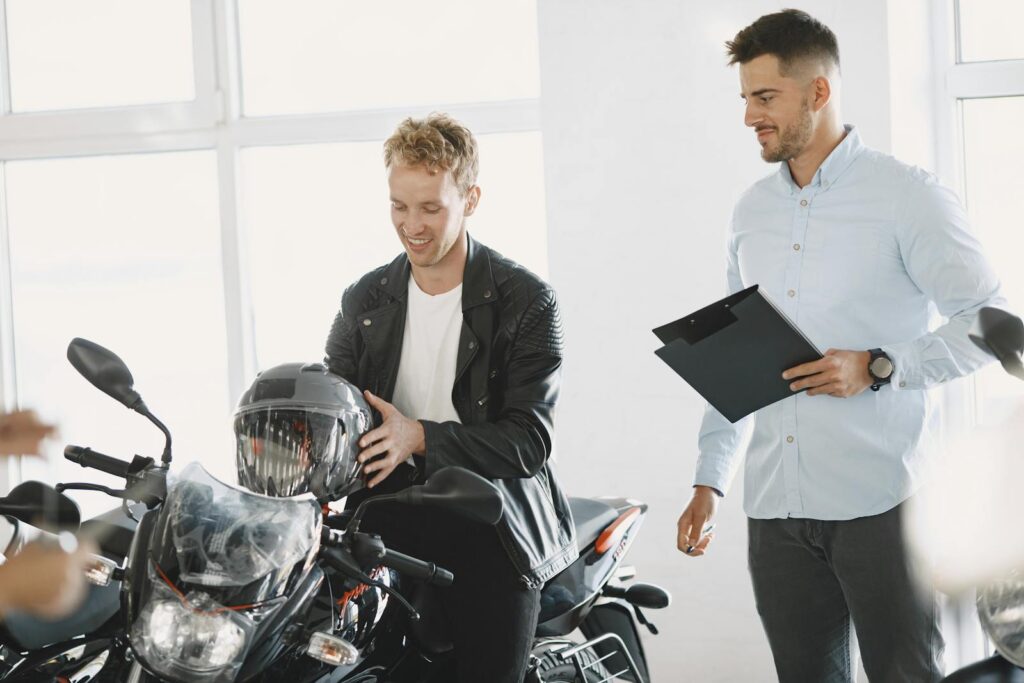
He’d been shopping for months, watching listings and saving, trying not to get emotionally attached to anything until he actually had keys in his hand. The dealership bike was priced a little higher than private sale stuff, but that was the trade: more money for less risk. They had it detailed, staged at the front of the showroom, and the salesperson did the whole smooth routine—service history talk, “we did a multi-point inspection,” the usual.
He asked about the title right away, because he’d been burned before on a car. The salesperson waved it off with this breezy confidence: they’d handle paperwork, they’d file everything, he’d get whatever documents he needed in the mail. It all sounded normal enough, and the buyer wanted it to be normal enough, so he signed.
He left with a temporary tag and that receipt stack that makes you feel both proud and a little nauseous. The bike ran great. He took photos, sent them to friends, and started doing that mental math riders do—how many tanks of gas until the first oil change, what helmet matches the paint, whether he should swap the exhaust or leave it alone.
Nothing about those first rides felt like he was sitting on someone else’s stolen property. The idea didn’t even exist in his head yet, because he’d bought from a place with a sign, employees, financing options, and a waiting area with stale coffee. That was the whole point.
The stop that turned into a seizure
The moment it changed wasn’t cinematic, just weirdly procedural. A patrol car got behind him, followed for a block, then the lights came on. He assumed it was something minor—maybe the temp tag placement, maybe a plate check glitch—until the officer’s posture got stiff and he started asking questions like he already knew the answer.
“How long have you had the bike?” “Where did you buy it?” “Do you have any paperwork on you?” The buyer showed what he had: the temporary registration, the purchase agreement on his phone, his insurance card. The officer disappeared to the cruiser, came back, and told him the VIN was flagged as stolen.
There’s a particular kind of panic that hits when you know you didn’t do anything wrong but the situation is already past the point where that matters. He tried to explain the dealership, the paperwork, the money trail—like the transparency itself should act as a shield. The officer wasn’t rude, just immovable. The bike was getting towed, and if he wanted to argue about it, he could do it later, with people who had more time and less traffic behind them.
He watched the bike get strapped down like it was contraband. No test ride. No “let me call the dealer.” Just a handoff to a tow truck and a receipt that basically said: this is not yours right now. The buyer got a ride home and spent the whole time staring at his phone, trying to figure out how a purchase from a dealership turns into a stolen-vehicle recovery in under a month.
The dealership’s “oops” and the patience chorus
When he called the dealership, he expected confusion, then urgency—like they’d want to fix it immediately because it was their problem and their reputation on the line. Instead he got a calm voice and a manager who sounded inconvenienced. The manager’s first move was to talk around the word “stolen,” leaning hard on phrases like “clerical issue” and “title delay,” as if the police don’t impound vehicles over clerical issues.
Then came the line that made his blood pressure spike: it was an accident. According to the dealership, they’d taken the bike in through a trade-in or acquisition process, and something in their system didn’t catch the theft report. They said they were “working with the authorities” and told him not to worry, because “these things take time.”
That’s when the buyer realized what “time” actually meant for him. The monthly payment was still real. Insurance was still real. The money he’d put down was already gone. And the bike—his bike, the thing he’d just paid thousands for—was now sitting behind a chain-link fence with a case number attached to it.
He asked the obvious question: so are you refunding me? The dealership didn’t say no, exactly. They just kept pushing everything into the future, talking about investigations and paperwork and waiting for “clear confirmation” of status, like his bank account could float on vibes. The manager suggested he be patient and let them “handle it.”
Meanwhile, the real owner shows up
The part that made it feel extra grim was that, somewhere in the middle of all this, the original owner entered the story—not directly, but through the way the police talked about the case. The bike had been stolen from someone who’d been looking for it, reporting it, probably scrolling listings and hoping it would surface. Now it had, just not in a way that felt like justice to the buyer who got caught holding the bag.
Legally, it was hard to argue with what happened next. A stolen vehicle gets returned to its rightful owner. The buyer could understand that on an intellectual level while still feeling like his stomach was dropping out. He wasn’t mad at the person who lost their bike; he was mad at how easily the system seemed prepared to ruin him to fix someone else’s problem.
He tried to get clarity from the police about whether he was in trouble. They treated him like what he was: a probable good-faith purchaser who got screwed. But “probably” didn’t give him his bike back, and “good faith” wasn’t going to cover his loan payment when it hit.
On paper, it was simple. In real life, it meant he’d paid for a motorcycle he couldn’t possess, while the dealership spoke in soothing corporate sentences and the state’s process moved at the speed of molasses.
The money bleed and the paperwork trap
The buyer did what people do when they’re drowning: he started making lists. Who had his money, who had the bike, who had the authority to do what, and who was pretending not to. He called the lender, and the lender’s response was predictably cold: the loan was for the purchase, not for guaranteed happiness. Missing payments would hit his credit whether the motorcycle was in his garage or an evidence lot.
Insurance didn’t offer the relief he’d hoped for either. From their perspective, he hadn’t had the bike stolen from him; he’d bought a stolen bike that got recovered. That’s a different kind of mess, and it lives in the cracks between policies and definitions. If he wanted anything from them, he’d need documentation—police reports, dealer statements, proof of ownership that was now being questioned.
The dealership kept asking for time, like time was free. They told him they were “reviewing the file,” “contacting their title department,” “waiting to hear back.” Every call ended with some variation of “we’ll get back to you,” and every day that passed felt like another small theft—this time of his options.
He started showing up in person, because phone calls were too easy to dodge. At the counter he’d get sympathetic looks from staff who weren’t authorized to do anything, and strained politeness from managers who clearly wanted him to disappear. The dealership’s vibe shifted from friendly sales mode to defensive compliance mode, the kind where everything is “company policy” and nobody remembers the promises that got him to sign.
Where it’s left hanging
By the time the story hit its most maddening point, the buyer was basically living in limbo. The motorcycle was gone, likely headed back to the person it was stolen from, and he could accept that part even as it stung. What he couldn’t accept was being treated like an annoying customer service ticket while his finances took the hit for a mistake he didn’t make.
The dealership kept implying a refund would happen once the “process” finished, but wouldn’t commit to timelines or specifics. The lender wanted payments regardless. The police wanted him to stop calling unless he had new information. Everyone wanted him to be calm, cooperative, and patient—while the consequences stacked up exclusively on his side.
That’s the tension that makes the whole thing feel so ugly: the buyer did the responsible thing, paid the reputable premium, and still ended up with the worst-case scenario people warn you about. He’s not fighting to keep a stolen bike; he’s fighting to not be financially erased by someone else’s theft and a dealership’s “accident.” And until someone actually cuts a check or takes responsibility in a way that hurts them instead of him, patience just sounds like a polite word for “sit there and take it.”
More from Steel Horse Rides: