


He’d been hunting for a used SUV the way people do when they’ve hit that specific stage of life where strollers, snack bags, and car seats become permanent accessories. The dealer knew it, too—kept calling it a “family-ready” ride, the kind of phrase that sounds like it comes with a free vacuum and a promise not to poison your kids. The buyer wasn’t looking for perfect, just clean enough that he wouldn’t feel gross loading his niece into the back after school.
The SUV looked fine in the lot’s flattering afternoon light. It had that usual used-car shine: tires dressed, dashboard wiped, a little too much air freshener doing battle with whatever the previous owner’s vibe had been. The salesman leaned on the open rear door and did the whole tour—cupholders, anchors, cargo space—like he was showing off a condo. “Detail team went through it,” he said, like that sentence ended all possible concerns.
So the buyer did what most people do when they’re trying not to be “that guy” at a dealership. He glanced around, lifted one corner of a floor mat, saw nothing alarming, and signed the paperwork. He drove it home feeling relieved, the way you do after a big purchase stops being hypothetical and starts being yours.
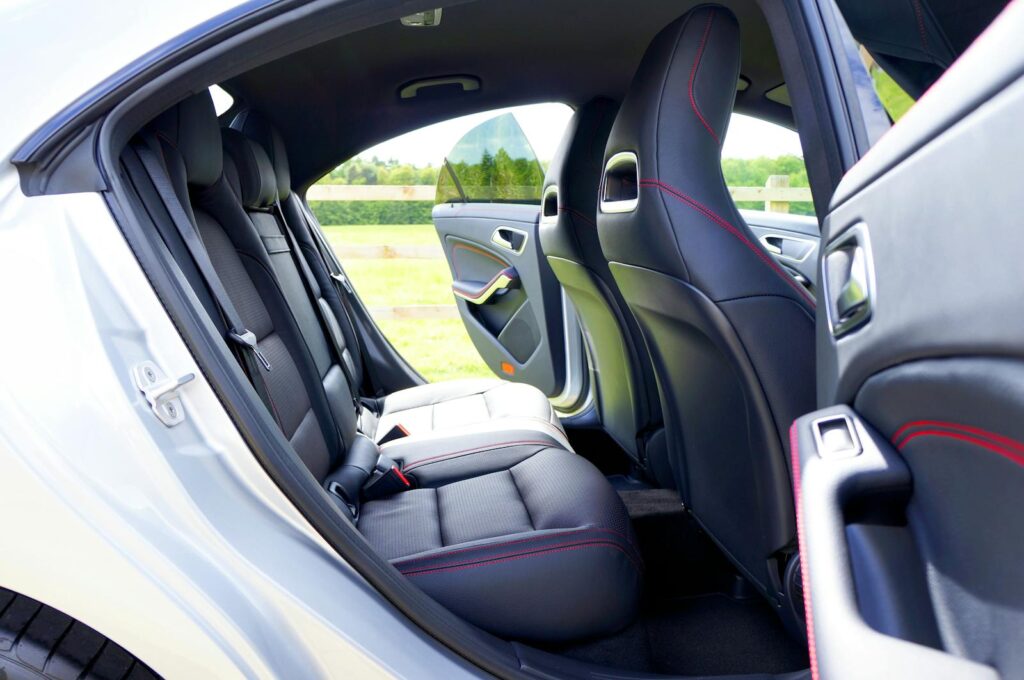
The “Family Ready” Pitch
Before he bought it, the buyer asked the question that always hangs in the air with used cars: “Any issues I should know about?” The salesman didn’t even hesitate. He said it was clean, inspected, ready to go—“family ready,” again, with the confident smile of someone who’d used that phrase a thousand times.
The buyer wasn’t naive; he understood “family ready” was marketing, not law. But he took it to mean the basics: no lingering cigarette smell, no mystery stains, no surprises that could slice a toddler’s finger open. The SUV was priced high enough to suggest the dealer wasn’t running it as a “project car” lot, and the showroom had the whole polished vibe that’s supposed to make you trust them.
When he looked it over, he did a quick scan—seat belts worked, seats slid, doors shut cleanly. The back seat seemed almost suspiciously neat, like it had been vacuumed twice. The dealer even tossed in the usual line about “we don’t put anything on the lot that isn’t safe.”
The First Ride Home Didn’t Feel Like a Problem… Yet
Nothing dramatic happened on the drive. The buyer did the normal new-owner things: adjusted mirrors, paired his phone, fiddled with the climate controls. The SUV drove straight, didn’t rattle, and the brakes didn’t sound like someone crushing a bag of chips underfoot.
At home, he started moving his life into it—charging cable, little trash bin, that organizer thing people clip to the back of seats. He popped the rear hatch, checked the spare tire compartment, and even felt a little smug that he’d bought something that didn’t immediately betray him. It was the kind of quiet satisfaction that makes you think, okay, maybe dealerships aren’t all sharks.
The next day was when the SUV had to actually perform as “family ready.” His sister asked if he could pick up his niece, and he said yes without thinking twice. He went to install the booster seat in the back, because that’s what people do now: safety first, followed by snacks.
The Glass Showed Up When He Touched the Floor Mats
It started with a tiny crunch under the mat. Not loud enough to be obvious, just that brittle sound that makes your skin crawl because your brain immediately supplies the image of someone stepping on a shard. He pulled the mat back a little farther, expecting maybe a pebble or some dried-up leaf debris from winter boots.
Instead, he saw glittering fragments scattered like someone had smashed a bottle and then tried to hide the evidence with carpet. Some pieces were small, like sugar crystals. Some were larger, jagged triangles sitting right where a kid’s feet would swing when climbing in.
He froze, then yanked the mat all the way out. More glass. Not a few stray pieces—enough that he could pinch a handful with a paper towel and feel it crunch through the layers. It wasn’t sprinkled on top, either; the fragments had worked into the carpet fibers and tucked into seams, like it had been there since before the “detail team” allegedly went through it.
He did that frantic, disbelieving sweep people do when they’re trying to convince themselves it’s not as bad as it looks. He ran a flashlight across the floor and saw more sparkles under the seat rails. He checked the other side and found the same thing, especially along the edges where the mat would’ve hidden it perfectly.
Calling the Dealer and Getting the Runaround
He called the dealership immediately, the booster seat still half-installed and his niece’s pickup time looming. The first person who answered sounded bored in the way people do when they know you’re about to become their problem. The buyer explained what he found, emphasizing the part about broken glass hidden under the floor mats, and there was a brief pause—long enough to feel like someone was deciding how much to admit.
The response was a classic: “That’s unusual.” Then the soft pivot into questions that sounded like blame: “Are you sure it wasn’t something from your driveway?” “Did anyone else ride in the back?” “You didn’t spill anything back there, right?” He wasn’t calling about a mystery stain; he was calling about a hazard, and the tone still leaned toward minimizing.
When he pushed back—reminding them he’d owned it for barely a day and hadn’t transported anything except a reusable grocery bag—the dealer offered to “take a look.” Not a promise to fix it, not an apology, just an invitation to bring it in, as if he’d discovered a quirky feature. The buyer asked how it passed inspection, and the person on the phone said, “Our techs check safety items,” like glass under the mats didn’t count as safety.
By the time he got someone higher up, the story shifted again. Now it was, “We cleaned it, but sometimes debris can work its way out.” The buyer’s patience snapped at that, because the glass didn’t “work its way out.” It was sitting exactly where the mat would cover it, like it had been vacuumed around, not vacuumed up.
The Awkward Return Trip and the “Detail” Argument
He drove back to the dealership with the mats in the trunk and a grocery bag filled with what he’d already picked up using tape and paper towels. He carried that bag into the showroom like evidence, because that’s what it felt like—proof he wasn’t being dramatic. People glanced over in that curious way, trying to figure out why someone would bring trash into a dealership.
At the service desk, the buyer poured a little of the glass into a napkin to show them. The tiny shards caught the overhead lights and looked almost pretty, which made it worse. The service advisor’s face did that controlled expression—part surprise, part annoyance—like he couldn’t decide whether to be embarrassed or defensive.
They tried to funnel him into the back-and-forth of process. “We can schedule a detail.” “We can vacuum it.” “We’ll do our best.” The buyer wasn’t asking for “best.” He was asking how the SUV was marketed as family-ready when there was literal broken glass where a kid’s hands might reach for a dropped toy.
Someone finally admitted there’d been a broken rear window in the vehicle’s history. Not framed as a warning they should’ve shared—more like a trivia fact that explained everything without accepting responsibility. The buyer asked why nobody checked the carpet thoroughly after the repair, and the manager’s answer drifted into vague territory about subcontractors, cleaning crews, and “it should’ve been caught.”
The buyer’s request was simple: either they professionally remove the glass, including deep cleaning the carpet and checking under the seats, or they unwind the sale. That’s when the mood really changed. The manager started talking about how returns “aren’t really a thing” and how they could “make it right” with a quick detail, like the problem was cosmetic instead of dangerous.
The tension got personal fast, because the buyer wasn’t just mad—he felt lied to. “Family ready” wasn’t a harmless tagline to him anymore; it was a promise that had been used to close the deal. He pointed out that if his niece had crawled around back there, he wouldn’t have known until she was crying and bleeding, and the manager’s reply was basically, “We’ll take care of it,” said in the tone of someone trying to get him to stop talking in front of other customers.
Where It Left Things: Not Fixed, Not Forgotten
In the end, the dealership offered a free re-detail and a basic vacuum, plus a vague assurance they’d “inspect it thoroughly.” The buyer didn’t trust a vacuum job after what he’d already found, and he didn’t love the idea of them rushing it just to get him out of their hair. He left with the SUV because he needed transportation, but he also left with that sinking sense that he’d bought a problem wrapped in a clean-smelling interior.
What stuck wasn’t just the glass—it was how quickly the whole “family ready” pitch turned into “well, technically.” The buyer couldn’t unsee how easy it was for the dealer to act confident on the lot and slippery on the phone. He still had the booster seat sitting in his garage, waiting, because even after a promised cleaning, he couldn’t shake the image of those little shards embedded in carpet where a kid’s fingers might go searching for a dropped gummy bear.
The SUV might eventually get cleaned properly, or it might become the kind of purchase that turns into a folder full of receipts, photos, and tense conversations. But the weirdest part was how small the original discovery was—one crunch under a mat—and how fast it unraveled the entire idea that the car had been cared for. “Family ready” was supposed to mean peace of mind, and instead it left him staring at the back seat like it was a trap he almost walked a kid into.
More from Steel Horse Rides: