

He’d done the thing people always say you should do before buying a truck: he researched for weeks, checked the manufacturer’s site, built the exact trim he wanted, and walked into the dealership with screenshots of the online price like they were receipts in a courtroom.
It was a clean, ordinary plan. Show up, test drive, sign papers, go home with the truck. He wasn’t there to “see what they could do,” and he definitely wasn’t there to be upsold on mystery packages with names like Shield, Guard, or Ultimate Peace of Mind.
By the time the salesperson slid the first worksheet across the desk, the vibe had already turned. The numbers didn’t match the online quote, and every time he pointed to his phone, the salesperson’s smile tightened like a tie being pulled too hard.
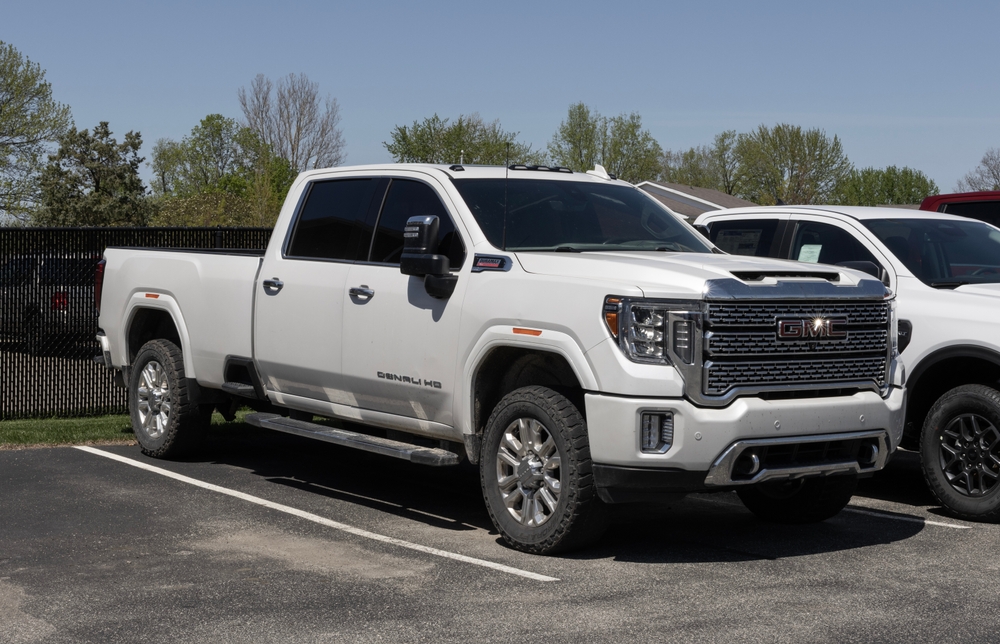
The online price that somehow “didn’t include reality”
On the screen at home, the truck looked straightforward: base price, a couple factory options he actually wanted, destination, and then taxes and fees he’d calculated for his state. He’d even compared it against a few nearby dealers’ listings, just to make sure he wasn’t chasing a unicorn.
At the dealership, the salesperson talked like the online number was more of a suggestion than an offer. “That’s not really an out-the-door price,” he said, tapping the paper with a pen like it was doing the explaining for him.
The buyer kept it polite at first. He asked for a breakdown, line by line, because that’s usually where the nonsense shows itself. And sure enough, the worksheet had a whole extra universe living under the subtotal.
The add-ons came out like a magician’s scarf trick
The first add-on was some kind of paint protection package, listed like it was already part of the truck’s DNA. Then came window tint, nitrogen in the tires, “theft recovery,” and a dealer prep fee that sounded suspiciously like “we cleaned it and moved it from the back lot.”
None of it was optional in the way a normal person understands optional. The salesperson kept describing them as “already installed” and “standard for all vehicles we sell,” which is dealership code for: we’ve decided you’re paying for this, and we’d love for you to stop asking questions.
The buyer didn’t bite. He said he didn’t want any of it, not the protection, not the tracking, not the tire air that apparently got a premium rebrand. He wanted the truck, as advertised, and he was prepared to buy it that day if the numbers matched reality.
The back-and-forth had that specific kind of corporate politeness where everyone is smiling but nobody is enjoying themselves. The salesperson kept trying to reframe it as a value conversation. The buyer kept steering it back to a math conversation.
“So you’re just going to walk?”
After a while, the salesperson went to “talk to his manager,” which took long enough to feel strategic. The buyer sat there watching other customers wander the showroom, hearing the faint clack of keyboards and the hum of someone’s loud, cheerful financing pitch across the room.
When the salesperson came back, the price had shifted, but only in the way a carnival game shifts when you complain about the rules. Maybe one package was discounted, maybe they “found” a rebate that wasn’t there before. The bottom line was still way above what the buyer had been staring at online for weeks.
That’s when he did the part most people threaten but don’t actually do. He stood up, grabbed his folder and his phone, and said he was leaving if they couldn’t sell it without the extras.
The salesperson’s tone changed immediately—less friendly, more annoyed. “So you’re just going to walk?” he asked, like the buyer was being dramatic. The buyer shrugged and said yes, because he wasn’t going to pay thousands for stuff he didn’t ask for.
He made it all the way out, got into his old vehicle, and pulled out of the lot with that weird mix of relief and irritation. Relief because he didn’t get trapped in the office for four more hours. Irritation because he’d carved time out of his day for a purchase that should’ve been simple.
The manager’s call: “Just the truck, out the door”
He didn’t even make it home before the call came. Unknown number, local area code, and that instinctive feeling that it was either the dealership or a spammer pretending to be the IRS.
It was the manager. Friendly voice, soft apology, the whole “I heard we couldn’t come to an agreement” routine. Then the hook: the manager said he’d do “just the truck, out the door,” no add-ons, no funny business.
The buyer paused, because that’s what he’d wanted from minute one. The manager sounded reasonable, like the adult entering the room to fix the mess. He said he’d email a new quote right away, and if the buyer could come back, they’d wrap it up quickly.
For a second, it almost felt like a win. Like walking out had worked, and the dealership was finally going to act like the online price meant something. The buyer asked him to send everything in writing—out-the-door total, itemized—and said he’d decide after seeing it.
The “new” quote that somehow got worse
The email arrived, and it was one of those PDF worksheets with the familiar grid and the official-looking font that’s supposed to make the numbers feel final. The add-ons were gone, technically. No paint protection line item, no theft recovery, none of the stuff he’d explicitly refused.
But the total wasn’t even close to what he expected. It was $4,300 over the price he had from the manufacturer’s site and the dealer’s own online listing. Not “a few hundred because of local fees,” not “taxes are higher than you estimated.” Four thousand three hundred dollars, sitting there like a dare.
The buyer read it twice, thinking maybe he’d missed something. The breakdown had the usual suspects—doc fee, registration, taxes—but there was also a vague category that looked like a price adjustment without calling itself one. It wasn’t labeled “market adjustment” in giant letters, but the math sure acted like it.
He called the manager back, because now it wasn’t just about add-ons. It was about the dealership trying to sell the same truck with the same “no extra packages” promise, while quietly inflating the price somewhere else so the total still came out fat.
The manager’s tone stayed calm, but the explanations got slippery. He started talking about “the online price not reflecting current inventory,” and “manufacturer incentives changing,” and “that’s the price we can do today.” None of it answered the basic question of how “just the truck, out the door” turned into thousands over what they advertised.
The buyer pointed out that the online price was still live and unchanged. He even refreshed the page while on the phone, because he was that kind of stubborn. The manager didn’t argue that it was listed—he just treated it like the buyer was misunderstanding what “price” meant.
That’s the part that stuck with him: the feeling that language itself was being used as a weapon. “Out the door” didn’t mean out the door. “No add-ons” didn’t mean no extra money. Everything was technically true as long as you didn’t look too hard at the total.
He didn’t go back. He told the manager he wasn’t interested, and the manager responded with that thin, professional disappointment—like the buyer was being unreasonable for expecting the numbers to match the advertisement.
The truck was still on the lot, still shining in the sun, still posted online with the clean, appealing price that pulled people in. And the buyer was left with that familiar, sour aftertaste: not just that he didn’t get the truck, but that even when a manager promises “just the truck,” there’s always another pocket where the dealership can hide the markup and pretend it’s your fault for noticing.
More from Steel Horse Rides: