
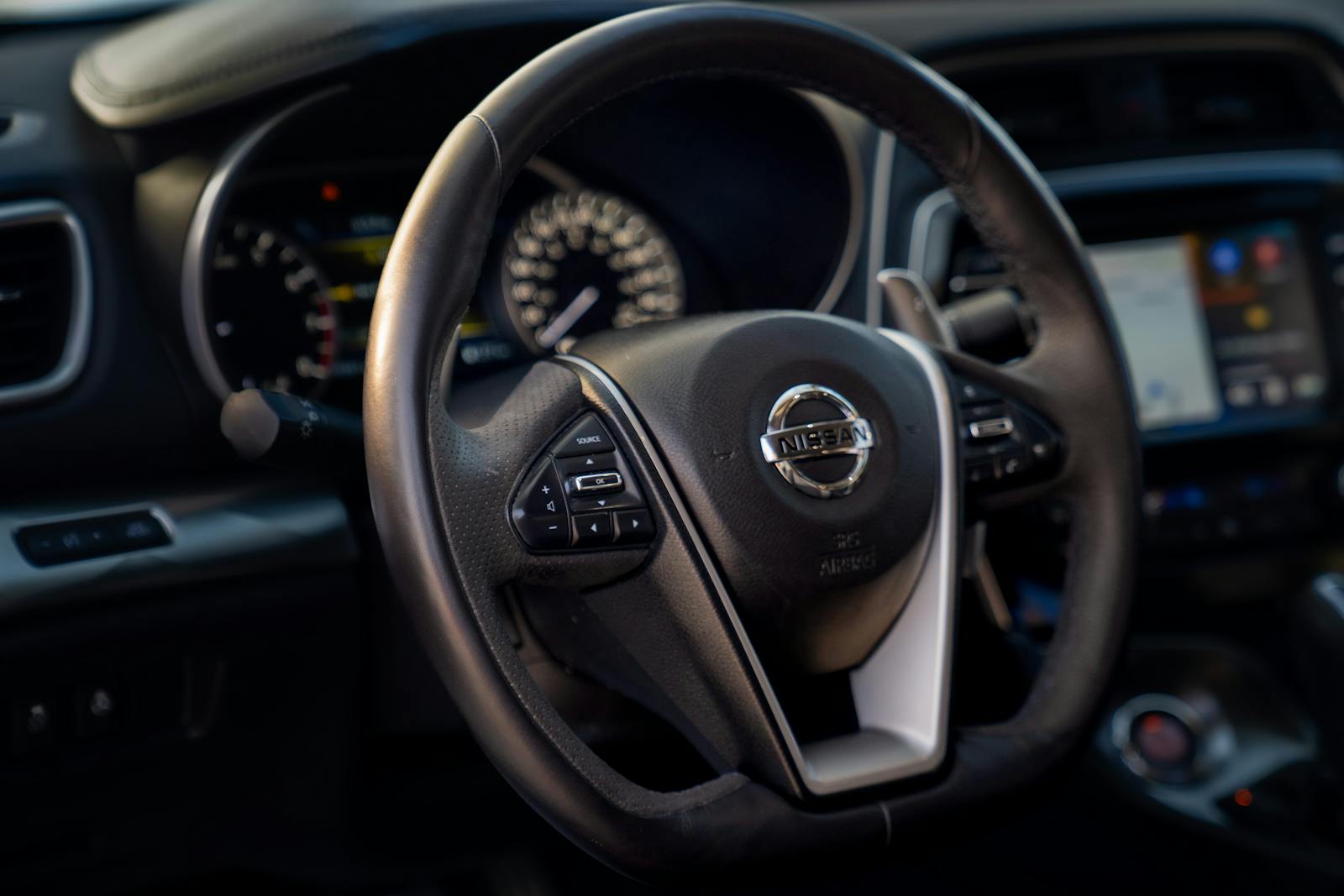

He thought he’d done it the “right” way this time. No sketchy private sale in a grocery store parking lot, no mysterious “my cousin’s a mechanic” assurances—just a 2018 Nissan Murano from a real dealership, nicely detailed, priced like it belonged in the normal-people range, and advertised with the kind of magic words buyers cling to: “Carfax Clean.”
The test drive went smooth, the cabin smelled like somebody’s idea of fresh, and the sales guy had that relaxed confidence dealers get when they sense a buyer is trying to be practical instead of paranoid. The buyer asked the standard questions—accidents, repairs, anything weird—and got the standard steady eye contact and head shake. Clean history, they said. Solid car. Nothing to worry about.
The first hint something was off didn’t come from a warning light or a clunk. It came from the buyer’s own anxiety, the kind that kicks in after the honeymoon phase when you’re staring at your driveway thinking, “Okay, but what did I miss?” So he did what cautious people do: he booked an inspection at an independent shop, not the dealership’s “preferred” place, just a local mechanic with a busy lot and a habit of telling customers things they don’t want to hear.

The “just to be safe” inspection
He wasn’t even expecting bad news. He wanted the mechanic to confirm the brakes had life left, check the fluids, maybe tell him the tires would need replacing before winter. The Murano was only a few years old, and the paperwork seemed straightforward enough that he felt almost silly paying for a pre-purchase inspection after he’d already bought it.
The mechanic did the usual routine—walkaround, hood up, scan tool, then the lift. That’s when the mood changed. The buyer noticed because the mechanic stopped narrating and started doing that quiet thing where someone stares a little longer than normal, like they’re deciding whether they’re about to ruin your day.
Underneath, it wasn’t just surface rust or a bent splash shield. The mechanic pointed to frame sections that looked like they’d been cut and reattached, with weld beads that weren’t subtle. Not the kind of clean, robotic-looking seam you’d expect from factory assembly, but the kind that looks like a human did it in a hurry with a welder and a plan.
The buyer asked the obvious question: “Is that normal?” The mechanic didn’t answer right away, which is basically an answer. He said he didn’t like what he was seeing, and that it looked like structural repair—something you’d expect after a serious impact, not a tidy “clean Carfax” crossover that was supposedly just living a quiet suburban life.
Welds that didn’t match the story
The buyer went from proud new-owner mode to detective mode in about ten minutes. He pulled up photos on his phone of other Murano undercarriages, trying to compare what “normal” should look like. The more he looked, the more those welds felt like a bad secret somebody hoped no one would find.
The independent shop wasn’t playing courtroom. They weren’t accusing anyone of fraud; they were doing what independent shops do: pointing at metal and saying, “This is not how this usually is.” They mentioned that certain sections looked replaced or reinforced, and that the welds weren’t uniform with the surrounding factory seams.
Now the Carfax part mattered. “Clean” isn’t a warranty, but it’s a psychological contract. It’s why people pay dealership prices instead of taking a risk on a cheaper listing that reads, “Runs good, no lowballers.” The buyer started thinking about what it would take for a modern car to need frame work and still show up as pristine on a history report.
He called the dealership, trying to keep it polite. He said he took it to a shop and they found welded frame sections, and he wanted an explanation. There was a pause—the kind where you can almost hear someone flipping through mental scripts—and then the dealership hit him with a line that felt like it belonged in a parody: the welds were “from the factory.”
The dealership’s “factory welds” explanation
The buyer didn’t immediately explode. He asked follow-up questions, because the “from the factory” claim is so bold it almost forces you to check if you misheard it. The dealer doubled down, essentially treating the buyer like someone who’d never looked under a car before and was getting spooked by normal manufacturing.
That’s the thing, though—factory welds exist everywhere. Anyone who’s crawled under a vehicle knows you’ll see seams, spot welds, structural joints. But the buyer wasn’t calling about some ugly but normal welding on a bracket; he was calling about sections that looked like they’d been cut and stitched back together, in places that make a mechanic’s eyebrows climb.
The dealership’s tone mattered as much as the words. It wasn’t “Let’s take a look and make it right.” It was more like, “Our car is fine, your mechanic is wrong,” wrapped in a calm voice. The buyer asked if the dealership would put that in writing—yes, these are factory welds, no prior structural repairs—and suddenly the conversation got softer and more evasive.
They suggested bringing it back so “their guys” could inspect it. Which is a classic move, because the buyer’s already dealing with an asymmetry: one side sold the car, the other side is trying to prove a problem exists. Taking it back to the seller’s shop feels like asking a restaurant to evaluate whether it poisoned you.
Trying to prove a negative with paperwork and metal
The buyer started collecting receipts of reality. He asked the independent mechanic for photos and notes, because “my mechanic says” isn’t enough when the other side is denying the basic premise. The mechanic took pictures of the welds, showing the uneven beads and the areas where metal looked like it had been worked, not stamped and assembled.
Then came the rabbit hole of what “clean” can actually mean. A Carfax can be spotless if damage was fixed without insurance, if it happened in a place that doesn’t report the same way, or if the data just never made it into the pipeline. People assume it’s a definitive record, but it’s really a collection of what got reported to the right channels.
The dealership leaned on that ambiguity. They didn’t have to explain how a car gets welded; they just had to keep repeating that there was no accident record. The buyer kept coming back to the physical evidence, like, “Okay, but the frame is literally welded,” and the dealer kept sliding back to paperwork like it was a force field.
He asked about a return window, because many dealers talk big about “peace of mind” until someone actually wants peace of mind. Depending on the state and the contract, returns can be more myth than policy, especially once the car’s registered or financed. The buyer’s sense of urgency spiked because every day he drove it felt like he was normalizing a bad decision someone else made for him.
The awkward standoff and the creeping fear
When he brought the Murano back, the dealership acted like they were doing him a favor by even looking. They walked him around the showroom, offered a coffee, tried to keep the vibe casual—like this was a minor misunderstanding over cosmetics. The buyer was polite but stiff, because it’s hard to sip a free coffee while you’re wondering if your “new” car was once folded in half.
In the service bay, the dealership’s people inspected it with that practiced neutrality. They didn’t gasp or point; they nodded and murmured like everything was normal. The buyer watched them the way people watch magicians—waiting for the sleight of hand, waiting for the moment the story gets rewritten in real time.
Eventually, the message came back: nothing to see here, looks fine, welds can be part of manufacturing. They treated the issue like a knowledge gap on the buyer’s side, not a conflict of facts. The buyer asked why those welds didn’t match typical factory seams, and the answer never landed; it just drifted into more general talk about production methods and “these cars are made all over.”
And the buyer couldn’t shake the darker thought underneath it all: even if the car drove straight today, what happens in an accident tomorrow? Structural repairs aren’t automatically unsafe if done correctly, but the entire point is you should know. Nobody wants to gamble on unknown frame work, especially when the sale pitch was “clean.”
By the end, he was stuck in that frustrating middle zone where the physical evidence looked bad, the official paperwork looked clean, and the seller was daring him to prove intent. The Murano sat there like a normal crossover—quiet, comfortable, unremarkable—except now every weld underneath felt like a sentence someone was refusing to finish. The worst part wasn’t even the metal; it was the dealership’s calm insistence that his eyes and his mechanic were the problem, leaving him to decide how much time and money he was willing to burn just to get the truth to hold still.
More from Steel Horse Rides: