
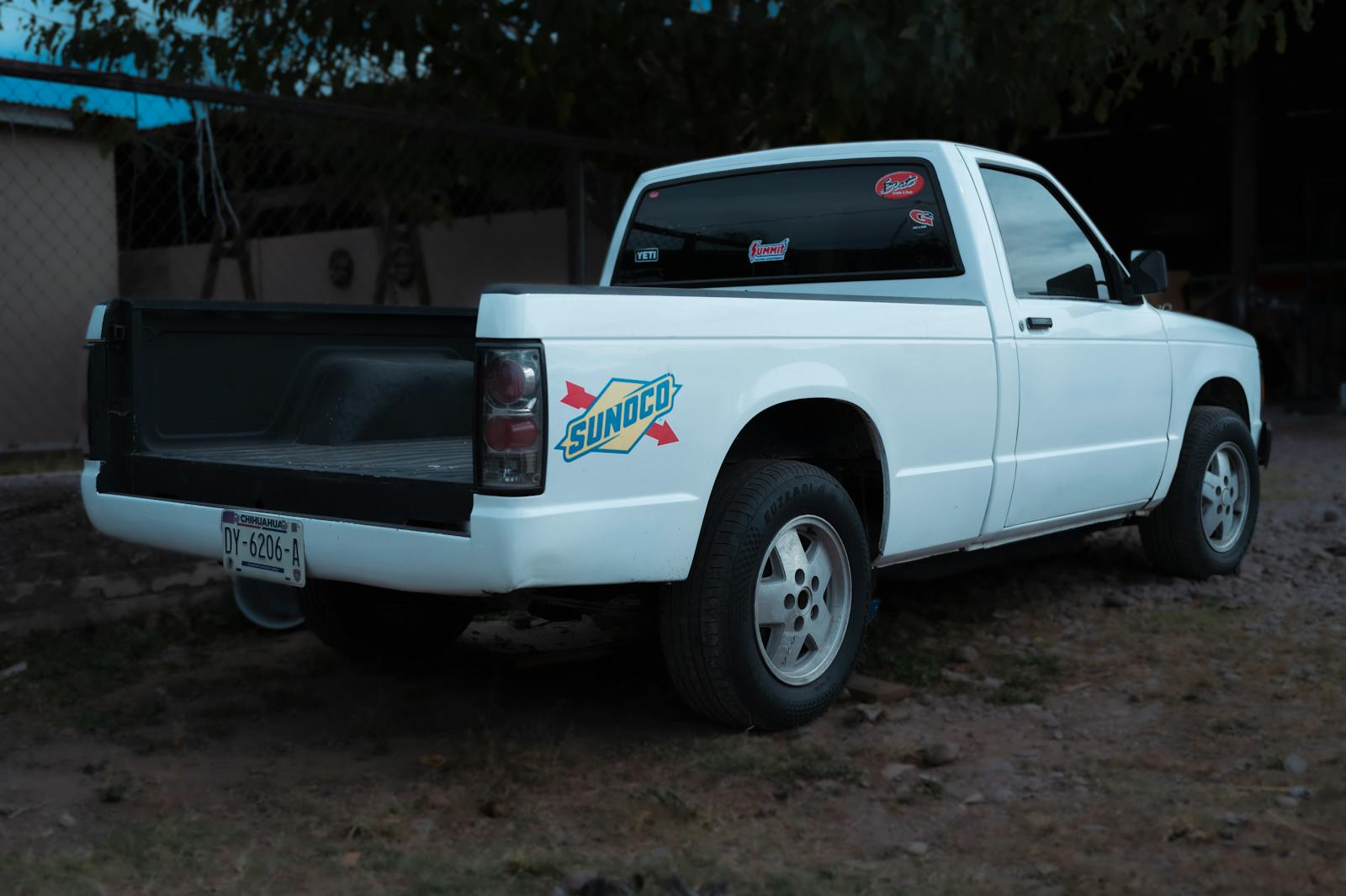

He bought the pickup the way a lot of people do now: after weeks of comparing trims, watching walkthrough videos, and doing the mental math of “what can I live with?” versus “what am I willing to pay for?” When he finally landed on the one he wanted, the dealer’s pitch was soothingly familiar—clean truck, decent miles, and a little sweetener to make it feel like he’d beaten the system.
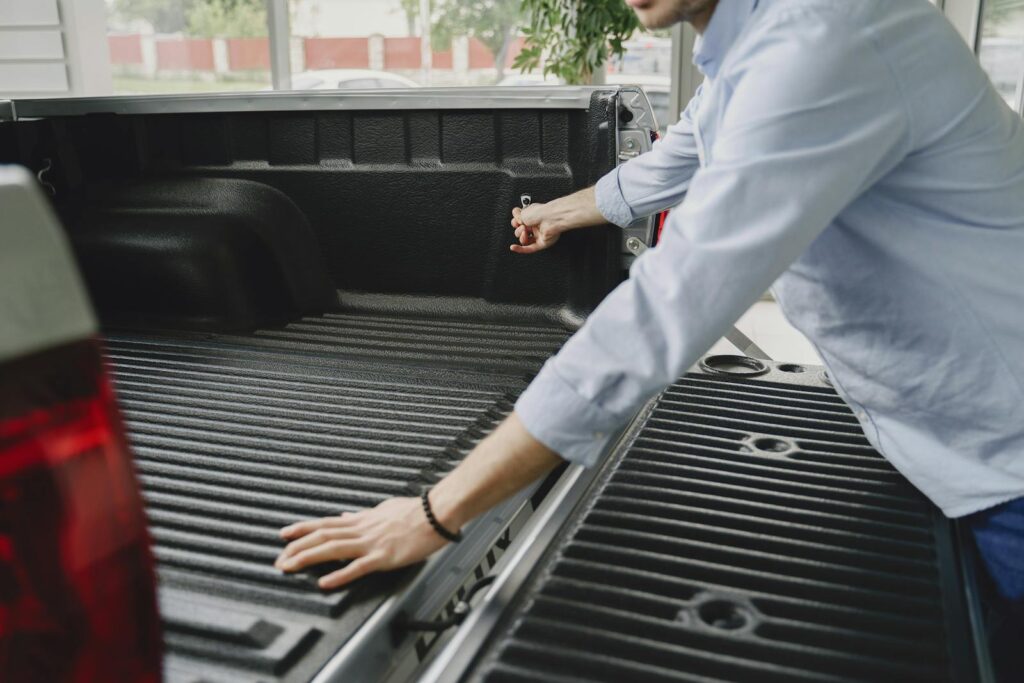
The sweetener was the kind of thing that sounds harmless and even generous when you’re standing under fluorescent lights trying not to look too eager. A “free” bed liner. “Free” window tint. The salesperson said it like it was a friendly favor, like they were tossing in fries with your burger. He drove home feeling like he’d gotten a small win in a world where nobody wins at dealerships.
Then he got home, sat down at his kitchen table with the folder of paperwork, and actually read the bill. That’s when the little win curdled into that hot, embarrassed feeling you get when you realize you might’ve been played in slow motion.
The “free” extras that suddenly weren’t
Buried in the itemization was a package with a friendly, innocuous name—something along the lines of “Protection Package” or “Appearance Package”—and next to it was a number that didn’t look friendly at all. $2,400. Not a suggestion, not a maybe, not a “we’ll see.” It was already rolled into the financed total like it belonged there.
It wasn’t even subtle. The bed liner and the tint were basically listed like they were features he’d ordered, not freebies someone had thrown in to close the deal. The whole “free” part existed only in the air, in the salesman’s tone, in the easy nod that said, don’t worry about it.
He flipped through the pages again because that’s what people do when their brain refuses to accept the first read. Somewhere between the APR disclosures and the signature blocks, it clicked that he hadn’t just paid for the add-ons—he was going to pay interest on them for years. The “free” tint wasn’t $2,400 today; it was $2,400 plus however much the financing turned it into.
The memory game starts: “That’s how it comes”
He called the dealership, expecting—maybe naively—that this was a misunderstanding. People like to believe paperwork errors happen, because the alternative is admitting someone looked you in the eye and lied. The person who answered bounced him to finance, and finance took the call with the calm patience of someone who’s heard this exact complaint before.
The explanation came in that practiced, circular way. The bed liner and tint were part of a package. The package was already on the truck. The truck was priced accordingly. If he didn’t want it, he should’ve asked before signing. The word “free” never appeared in their language now; that had apparently been a conversational flourish, not a promise.
He pushed back—because the whole point was that he had asked, and that’s when they told him it was free. That’s when the finance guy slid into the grey zone: maybe the salesperson said “no extra cost” in the sense that the price was competitive for a truck with those installed, or maybe he misunderstood what “included” meant. The conversation started to feel less like a correction and more like an attempt to exhaust him.
What the paperwork actually said (and didn’t say)
So he did what people do when they feel cornered: he went back to the documents like they were a crime scene. There was the sales price, the fees, the taxes, the registration, the finance charge. And there, clean as day, was the $2,400 line item sitting among the legitimate numbers, dressed up as normal.
The maddening part wasn’t just that it was included—it was how easy it would be to miss in the moment. At the dealership, everything moves fast but also somehow takes forever. You’re tired, hungry, trying to track fifteen numbers while someone’s pointing at the signature line and telling you this is “standard.”
He could see how the trick worked without needing a conspiracy board. If the salesperson says “we’ll throw in tint and a bed liner,” your brain translates that to “dealer eats the cost.” But the paperwork doesn’t need to say “free” anywhere. All it needs is for you to sign while thinking you’re signing something else.
The awkward follow-up: “Bring it back and we’ll talk”
He called again and asked to speak to the salesperson directly. This time he got the kind of politeness that has an edge to it, the tone people use when they want you to feel like you’re being difficult. The salesperson didn’t outright deny saying “free,” but started leaning on phrasing—what was meant, what was understood, what was “common.”
When he asked for the $2,400 to be removed, the answer turned slippery. The tint had already been applied. The bed liner was already installed. Those were “value adds” and the dealership couldn’t just undo them. He asked if they could remove the tint, peel it off, swap the liner out—anything to make the math match what he was told—and that’s when the conversation got weirdly personal, like he’d insulted them by treating the add-ons as removable instead of sacred.
Eventually, someone offered the classic: “Bring the truck in and we’ll talk.” Not “we’ll fix it,” not “we’ll refund it,” just “we’ll talk,” like the goal was to get him back under their lights where the pressure works better. It sounded less like customer service and more like the start of another round of negotiation, with the same people who’d already convinced him once.
Where it escalates: financing makes it harder to unwind
The deeper frustration was that this wasn’t just a price dispute—it was now tangled up with the loan. The financed total already included that $2,400, which meant any “fix” wasn’t as simple as sliding money back across the table. It meant rewriting contracts, redoing disclosures, possibly unwinding the deal, and dealerships don’t love doing that unless they have to.
And that’s when the tone shifted from annoyance to that sickening suspicion: the system is designed so the moment you leave the lot, your leverage drops off a cliff. Before you sign, you’re the customer they want. After you sign, you’re a problem they need to manage.
He started gathering everything—texts, emails, any line where someone had mentioned the add-ons. If the salesperson had said “free” in writing, that would’ve been a clean knife through the whole thing. But like a lot of these situations, the promises lived mostly in spoken conversation and quick reassurance, exactly where they’re hardest to prove.
Meanwhile, the truck was sitting in his driveway like an expensive reminder. Every time he looked at the dark tint, it wasn’t “nice.” It was a receipt. The bed liner wasn’t a convenience; it was a $2,400 question mark glued to the deal.
By the time he was staring at the numbers again, the emotional punch wasn’t just anger—it was embarrassment. He knew how this sounded. People love to say, “Read what you sign,” as if life always gives you quiet rooms and unlimited time to parse legalese. But he’d done what most normal buyers do: trusted the human being in front of him to match the paperwork to the story.
The dealership’s stance stayed maddeningly steady: the package was disclosed, the contract was signed, the add-ons were on the vehicle, and the loan was already in motion. There was no dramatic blow-up, no satisfying moment where someone admitted it was shady. Just a buyer sitting at home, realizing the “free” extras were never free—only preloaded and prepriced, waiting for him to notice after the ink dried.
More from Steel Horse Rides: