

He’d been looking for a used half-ton the way a lot of people in Texas do: not as a hobby, but as a necessity. Something that could haul, commute, and survive a summer that turns parking lots into griddles. When he finally found one that looked clean enough and priced just low enough to make him ignore a few cosmetic scuffs, the seller leaned hard on the little reassurance lines—“runs great,” “cold AC,” “no issues,” and the one that stuck in his head: “brand new battery.”
That battery line mattered because the truck had hesitated on the first start. Nothing dramatic—just that half-second pause like the starter was thinking about it, then it caught and idled fine. The seller shrugged it off, said it had been sitting, and repeated the battery claim like it was a warranty: brand new, just replaced, good to go.
So the buyer did what a lot of people do when they’re trying not to talk themselves out of a purchase. He believed the simplest explanation, handed over the money, and drove the truck home feeling that uneasy mix of excitement and “please don’t be a mistake.” It lasted until the next morning, when the truck cranked slow again and the “brand new battery” started sounding less like a detail and more like a dare.
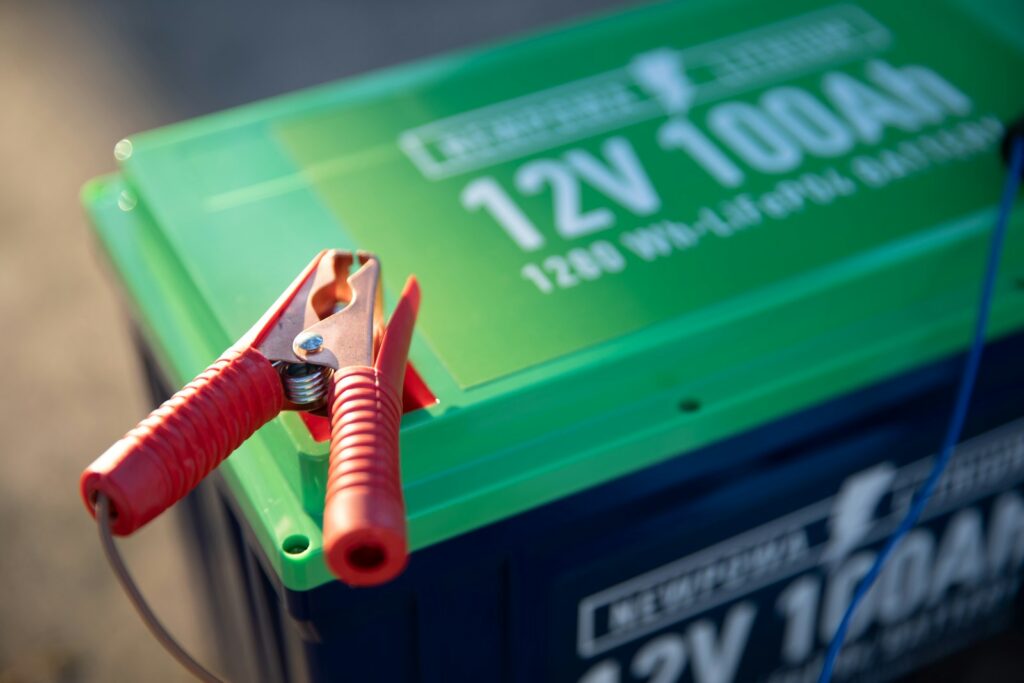
The little doubts that don’t go away
He didn’t pop the hood immediately because, honestly, he wanted to enjoy the win for a minute. The truck looked good in his driveway, and he had already started making mental plans—new floor mats, maybe a bed liner, maybe a mild lift “someday.” But the second cold start did the same reluctant crank, and now he couldn’t unhear it.
He ran through the easy stuff first. Lights off, nothing left plugged in, no obvious parasitic draw from some aftermarket accessory. He told himself it might be the starter, or maybe the battery terminals were just a little dirty and needed a quick clean.
Then he remembered the seller’s confidence about the battery—how they’d said it like it was a badge of honor. That’s what made him finally grab a flashlight and lift the hood, not to do a deep inspection, but just to confirm the battery was, you know, actually new.
Under the hood, everything starts looking weird
At first glance, it didn’t scream “fresh install.” The battery case wasn’t the crisp, unscuffed plastic you’d expect from something that was supposedly new-new. It had that chalky, sunbaked look like it had lived a hard life near a radiator support, and the top had a dusty film like it hadn’t been touched in months.
But the real record-scratch moment wasn’t the battery itself—it was the wiring. Instead of proper battery cables with clean crimps and factory routing, he saw aluminum cables that looked like they belonged in a DIY electrical project, not the engine bay of a modern pickup. They were the wrong sheen, the wrong thickness, and they were run in a way that felt… improvised.
He leaned closer and saw mismatched connections, the kind that happen when someone is making it work with whatever’s on hand. The terminal clamps didn’t look like a normal replacement set; they looked like the cheapest universal parts you grab when you’re stranded and the auto parts store is closing. For a “brand new battery,” it was giving big “I did this in a hurry behind a shop” energy.
The date code that killed the whole story
He did what anyone does when something feels off: he started looking for markings. Batteries have date codes, stickers, little stamps that tell you when they were made, and even if you don’t know how to read every brand’s system, you can usually find something that hints at age. He wiped away the dust on the label and found it.
The date code pointed to a battery from eight years earlier. Not “it sat on a shelf too long,” not “it’s a couple years old but still fine”—eight years. Old enough that it wasn’t just questionable, it was a straight-up contradiction of the one thing the seller had confidently promised.
And that’s when the other details started lining up like dominoes. The way the truck hesitated on start. The bargain vibe of the terminal hardware. The aluminum cabling that made no sense unless someone was cutting costs and cutting corners at the same time.
He took photos from a few angles, because once you’ve seen something like that, you know it’s going to turn into a conversation. A conversation with the seller, with a shop, maybe with a friend who knows trucks better than you do. It stopped being “maybe it’s fine” and became “someone lied right to my face.”
The seller’s excuses and the slow boil of a confrontation
He texted the seller first, polite but direct. Something like: hey, you said the battery was brand new, but the date code says it’s eight years old and the wiring looks sketchy. He attached a photo of the code and a close-up of the cables, because there’s no point arguing about vibes when you’ve got receipts.
The reply didn’t come fast, which somehow made it worse. When it did, it wasn’t an apology—it was the kind of answer that tries to fog the issue. The seller claimed they “just put it in,” or that it was “new to them,” or that maybe the battery was “a replacement” from a shop and they didn’t know the date code. Each message slid around the same point: they’d told him something that wasn’t true.
Then the seller pivoted to irritation, like the buyer was being unreasonable for bringing it up. The vibe turned into, “it starts, doesn’t it?” and “you bought it as-is,” as if the phrase “brand new battery” hadn’t been used as a selling point five minutes before money changed hands. It was that classic shift where the person caught in a lie tries to make the other person feel annoying for noticing.
The buyer kept it tighter than a lot of people would. He didn’t threaten lawsuits or start typing in all caps; he just repeated the facts and asked for a straight answer. If the battery wasn’t new, why say it was? And if they really believed it was new, why was there junkyard-looking wiring under the hood holding the whole thing together like a temporary bridge?
Now it’s not just the battery
Once he’d seen that, it infected how he looked at the rest of the truck. He started checking things he hadn’t obsessed over during the purchase: grounds, fuse box, the condition of the alternator wiring, any sign that the truck had been in an electrical mess before. The aluminum cables weren’t just ugly; they suggested someone had been chasing a problem and decided the solution was to improvise.
He called a shop to ask a simple question—could aluminum battery cables cause issues, and how bad is it? The answer wasn’t soothing. Aluminum has higher resistance than copper, it can corrode differently, and if you’ve got dissimilar metals and questionable crimps in an engine bay that vibrates and heats up, you’re basically rolling around with a future headache bolted to your fender.
It wasn’t the kind of thing that makes the truck explode in a movie-style fireball, but it was the kind of thing that could leave him stranded. It was also the kind of hack job that makes you wonder what else the previous owner “fixed” with whatever was lying around. Suddenly, the battery wasn’t a $200 annoyance—it was a warning label.
He priced out what “making it right” looked like: a legit battery with a real warranty, proper copper cables, clean terminals, and the labor to route it all correctly. Not catastrophic money, but enough that the seller’s casual lie felt personal. It wasn’t just deceptive; it was setting him up to absorb a problem that had been disguised as a perk.
When he circled back to the seller with the estimate, the seller went quiet again. No offer to split the cost, no “bring it by and I’ll make it right,” not even the decency of an embarrassed apology. Just a hard drift into silence like if they didn’t respond, the situation would evaporate.
And that’s where the story sits: a guy standing in his driveway, staring at a half-ton he wanted to trust, realizing the first “upgrade” he’ll have to do is undo someone else’s lies. The tension isn’t whether he can replace a battery—he can—but whether he’ll ever feel settled with a truck that introduced itself with eight-year-old proof that somebody thought he wouldn’t look under the hood.
More from Steel Horse Rides: