
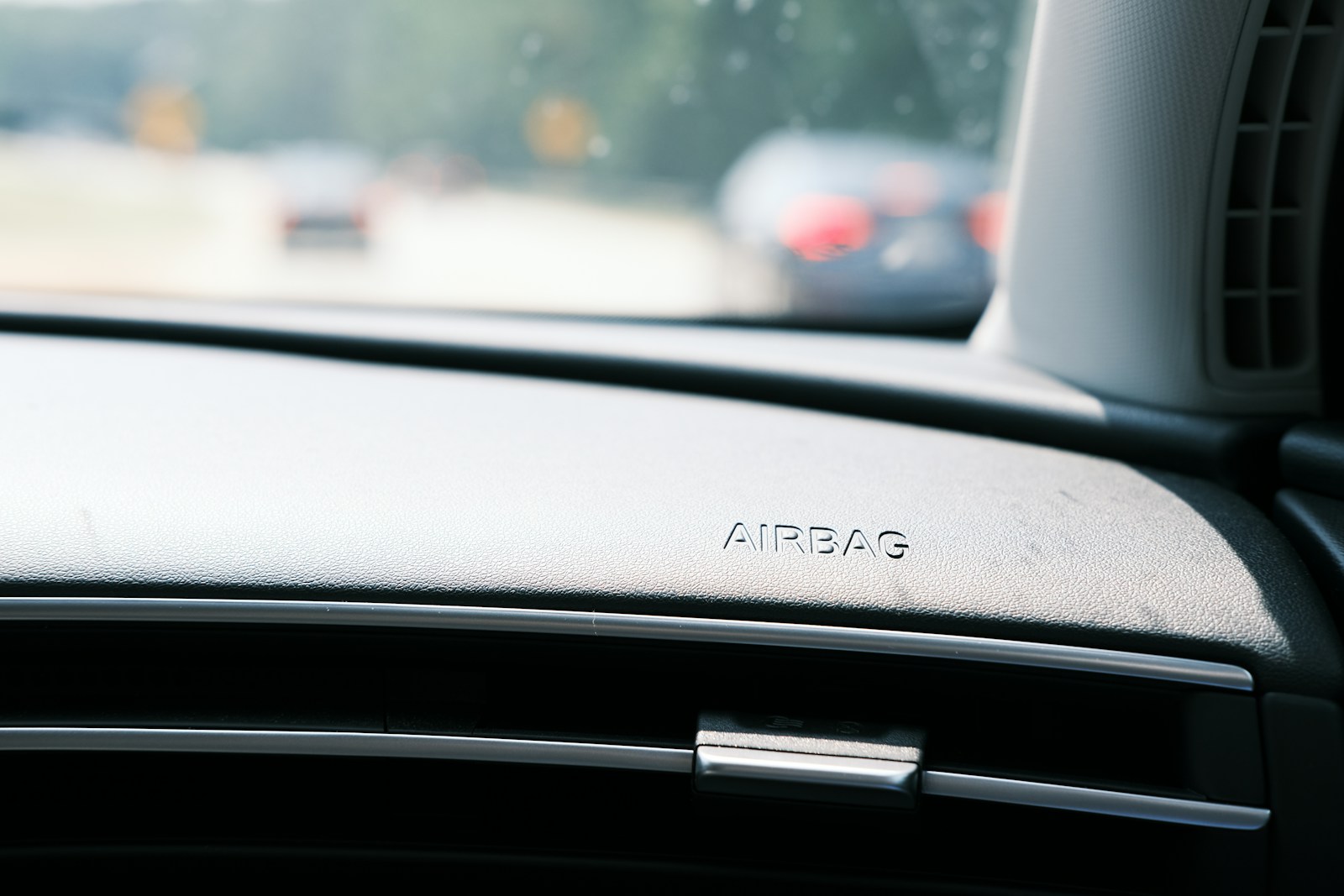

Roughly 6.4 million vehicles were still waiting on genuine Takata airbag inflator replacements as of last year, and federal regulators say that backlog has created an opening for counterfeit parts that consistently malfunction in ways ranging from complete non-deployment to expelling metal shrapnel on impact. The good news for used car shoppers is that spotting a fake or improperly installed airbag doesn’t require a mechanic’s toolbox. A careful buyer can run through the same checks investigators use in about ten minutes, before signing anything.
Why This Matters More Than It Used To
The National Highway Traffic Safety Administration has documented three deaths and three “life altering, disfiguring” injuries tied to counterfeit airbags over a recent nine-month stretch, out of an estimated 2 million vehicles that received replacement airbags following a crash, according to NHTSA’s July 2024 consumer warning. The agency’s own air bag safety page confirms that “while rare, NHTSA has identified fake air bags in vehicles where an air bag has been replaced, for example after a crash,” often sold online to consumers or independent repair shops rather than through dealer parts counters. NHTSA describes counterfeit inflators as typically sourced overseas from suppliers with “little to no reputation of quality and manufacturing or experience.”
Start With the Warning Light, Not the Cover
Turn the key to the first ignition position without starting the engine and watch the dashboard. Every warning light, including the airbag or SRS icon, should illuminate briefly and then go out once the engine is running and the system finishes its self-check. A light that stays on continuously, flashes, or never comes on at all is telling you the airbag control module has detected a fault somewhere in the system, which can happen when a module has been swapped, wired incorrectly, or paired with a non-genuine inflator that the computer doesn’t recognize. This single check takes about thirty seconds and rules out an entire category of problems before you even open the door.
Look Closely at the Cover, Not Just the Wheel
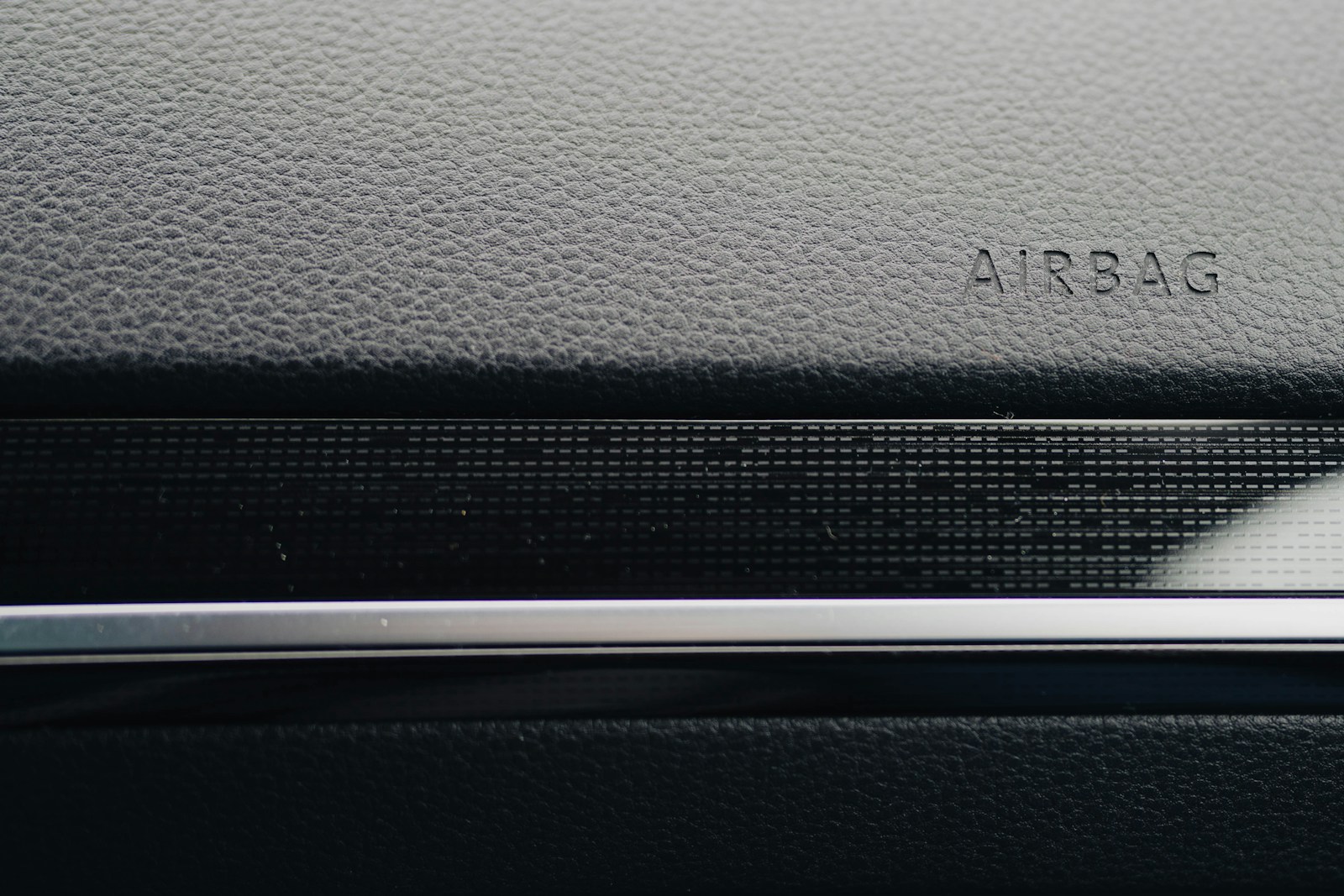
A federal technical service bulletin describing how to identify counterfeit modules lays out a specific visual checklist that any buyer can apply to a steering wheel pad or dash cover: emblem size, shape, texture and color that doesn’t quite match the rest of the interior; “Airbag” or “SRS” lettering that looks poorly defined or shallow compared to a crisp factory emboss; and vinyl trim with a texture that differs from the surrounding material, sometimes with visible trimming or shaving where a cover was cut down to fit a different steering wheel. The bulletin also notes that genuine covers use a molded H-pattern tear seam designed to split cleanly on deployment, and a missing or poorly defined tear seam is a red flag on its own, according to NHTSA’s published guidance on the issue.
Check for Tool Marks and Mismatched Fasteners
If a seller or dealer will allow it, or if the airbag cover is already loose, look at the fasteners holding it in place. Factory airbag modules use tamper-resistant screws and rivets torqued to spec at the assembly plant. Tool marks, grinder marks on the backing plate, hand-tightened rivets, or extra drilled holes that weren’t part of the original design all suggest a module has been removed, altered, or adapted from a different vehicle to fit. None of these are things a seller can talk their way around; they’re either there or they aren’t.
Ask Where the Replacement Part Came From, and Get It in Writing
If the vehicle history report or the seller confirms the car was in a prior collision severe enough to deploy an airbag, ask directly whether the replacement airbag was installed by a franchised dealer using an OEM part number, and ask for the repair invoice. NHTSA’s guidance to consumers is direct on this point: verify the vehicle’s crash history, confirm the airbag inflators are genuine, and be skeptical of unusually cheap replacement parts, since legitimate OEM airbag modules generally run several hundred dollars and counterfeit versions are typically sold at a steep discount specifically to undercut that price. A seller who can’t produce a repair record for a car with a documented prior airbag deployment, or who gets vague about where the replacement part came from, is a bigger warning sign than any single physical defect.
Put It Together Before You Buy
No single check here proves a fraud on its own, and a car can fail one of these tests for an innocuous reason. What matters is running all of them together in the time it takes to walk around the car once: watch the warning light on startup, look closely at the cover material and lettering, check the fasteners if the cover is accessible, and get paperwork on any prior airbag replacement. That combination is exactly what separates a car with a properly restored safety system from one where a corner got cut in a place you’ll only find out about in a crash you can’t take back.