

He bought the SUV the way a lot of people buy used full-size SUVs in Texas: with a mix of excitement and resignation, like he was signing up for a long-term relationship with someone’s ex. It was big, clean-looking, priced just low enough to feel like a win, and the seller had that calm, practiced tone of someone who’s done this before. The buyer figured the worst thing he’d find would be worn tires or a squeaky suspension—annoying, but normal.
The rain started as he pulled onto the highway, a steady sheet that made the wipers earn their keep. Ten minutes into the drive, he caught a weird sound under the road noise—like someone gently pouring a drink into a cup. He turned down the radio, leaned forward, and listened again. The sound wasn’t outside; it was inside the cabin.
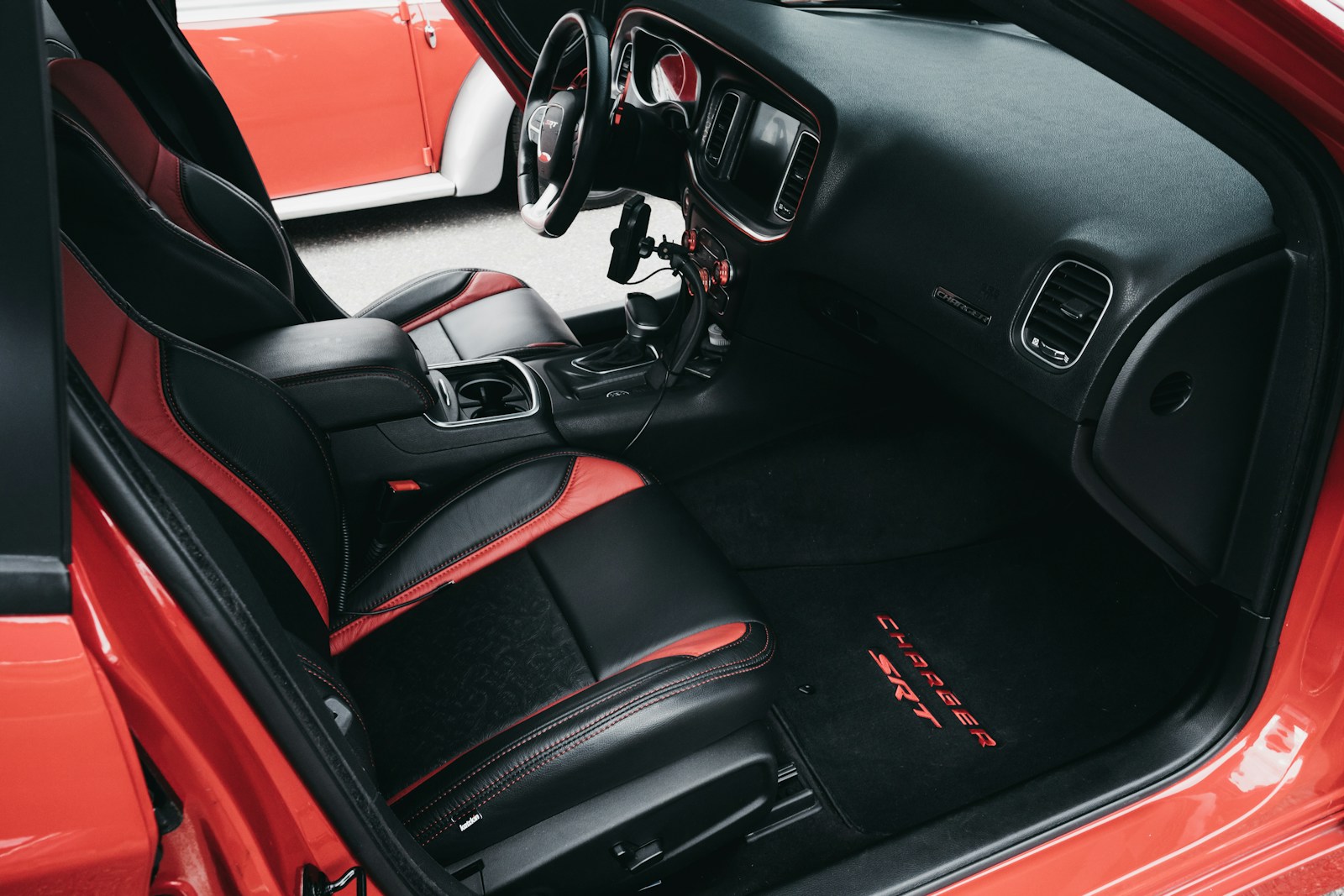
By mile 10, his right foot sank into something that didn’t feel like carpet anymore. It felt like a soaked sponge. He looked down and watched water darken the floor mat in real time, spreading outward in a slow, confident bloom.

The Purchase: “Everything Works, Just Needs a Detail”
The SUV had been sitting in a driveway in a nice-enough neighborhood, the kind of place where every other house has a boat or a jet ski that never moves. The seller had the hood up when he arrived, pointing at basic stuff like it was a tour: battery terminals clean, fluids topped off, tires “pretty new.” The buyer did the normal laps around it, checked the panel gaps, peeked underneath for anything obviously hanging or rusted.
The sunroof was what caught his attention, because it’s always the sunroof. The seller slid it open and closed without hesitation, and it did it smoothly, no grinding, no clicking. “Never leaks,” the seller said, like he’d said it before and had learned to keep his face neutral while saying it.
They did the handshake math in the driveway. A little haggling, a lot of nodding, and then the exchange: keys, title, that brief moment where you realize you’re now the proud owner of a machine you can’t un-buy. The buyer got in, adjusted the seat, and told himself he was being paranoid when he caught a faint, sweet-ish smell—almost like an air freshener trying too hard.
Ten Miles of Rain and a Sudden Indoor Pool
The rain was the first real test, and it didn’t take long. At first it was subtle: a dampness near the A-pillar, that cool drafty feeling you sometimes get when water finds its way behind trim. The buyer kept driving, telling himself it was probably just rain noise messing with his senses.
Then he noticed the headliner near the sunroof edge looked slightly darker, like a shadow that didn’t belong. He reached up and brushed it with his fingers and came away with that unmistakable cold wetness. A minute later, it wasn’t just the headliner—water was running down inside the pillar and dumping onto the floor like a hidden gutter.
He pulled into a gas station, threw it in park, and stared at the passenger footwell. The carpet wasn’t just wet; it was saturating fast, like somebody had tipped a bucket behind the dashboard. Every time the SUV shifted slightly, the water sloshed under the carpet padding with this gross, muffled sound.
The absurd part was how quickly his mood changed. Ten minutes earlier he’d been picturing road trips and hauling stuff without worrying about space. Now he was doing the mental math of “How bad is mold, really?” and “What’s the return policy on a private sale?” while rain kept hammering the roof.
The First Call: Seller Goes from Friendly to Foggy
He called the seller from the driver’s seat, rain tapping the glass, water creeping outward under the mat. At first the seller sounded almost annoyed, like he was being interrupted during dinner. The buyer explained what was happening, trying not to sound like he was accusing him—just stating the facts, water is literally pouring into the cabin.
The seller’s response was the classic move: confusion, then distance. “That’s weird,” he said. “It’s never done that.” He suggested maybe the buyer left a window cracked, or maybe the door seal wasn’t shut all the way, as if water had politely wandered in through user error.
The buyer pushed back, telling him it was coming from above, near the sunroof area. There was a pause, long enough to hear the seller deciding which version of himself to be next. Then the seller offered the flimsiest olive branch: “Bring it by tomorrow and I’ll take a look.”
That’s when the buyer realized tomorrow didn’t help him tonight, with an SUV that was actively becoming a terrarium. He ended the call with that tight politeness people use when they’re trying not to explode. He drove home with towels jammed into the footwell, heat blasting, and the feeling that he’d just paid a lot of money for a very large problem.
Pulling Trim and Finding the Weirdest “Fix”
The next morning, he did what most people do when they can’t stop thinking about something: he started poking at it. He watched a couple videos about sunroof drains—how they’re supposed to route water through tubes down the pillars and out the bottom of the car. He learned that “sunroof” doesn’t mean “watertight”; it means “designed to leak in a controlled way.”
He pulled back the passenger-side trim carefully, expecting to find a disconnected hose or maybe a clog. What he found was worse because it wasn’t an accident. The drain tube had been cut off short, like someone snipped it on purpose, and the remaining stub was plugged with wax.
Not tape. Not a clamp. Wax—like somebody melted a candle and stuffed the end shut. It was the kind of solution that only works if your goal is to make the symptom disappear long enough to sell the car to someone else.
Once he saw it, everything made grim sense. The “never leaks” claim wasn’t technically wrong in dry weather. With the drain blocked, water had nowhere to go except into the cabin, but only when the rain was heavy enough to overwhelm the sunroof tray. The wax plug had probably been holding just well enough until the first real storm.
Confrontation, Denial, and the Little Details That Don’t Add Up
He took photos from every angle, because he knew how this would go the second he picked up the phone again. When he called the seller, he didn’t start with emotion—he started with what he found. Cut drain. Wax plug. Water pouring inside. The buyer’s voice stayed steady in that way that’s almost scarier than yelling.
The seller denied it immediately, too fast. He said he’d never touched the drains, didn’t even know where they were, and suggested maybe the buyer damaged something while “messing around.” It was an impressive pivot: the buyer went from victim of a bad sale to amateur mechanic who broke his own car overnight.
Then came the weird details. The seller suddenly had a theory about “previous owner stuff,” even though he’d implied he’d had the SUV for a while. He started talking about “maybe the dealership did something” and “you can never trust service departments,” spreading the blame out like confetti so none of it landed on him.
The buyer asked him a simple question: if you didn’t know what a sunroof drain is, how did the tube end up cut and filled with wax? The seller didn’t have an answer. He just repeated that it wasn’t his problem, and that the sale was final.
Trying to Dry It Out While the Clock Ticks
Now the buyer had a new routine: shop-vac the carpets, pull the mats, prop the doors open, and hope Texas heat could undo what ten miles of rain started. But anyone who’s dealt with soaked automotive carpet knows it’s not just surface water. It gets into the padding, into the seams, and it sits there like it’s paying rent.
He started getting that sick, sour smell that shows up when moisture has been trapped too long. The SUV looked fine from the outside, which somehow made it worse. Inside, it had the vibe of a clean living room with a leak in the ceiling—everything normal until you look at the one spot that keeps expanding.
Fixing the drain itself wasn’t even the worst part. That part was doable: replace the tube, route it properly, flush the system, make sure the tray drains the way it was designed. The real damage was the uncertainty. Had the previous owner been driving around with a slow leak for months? Was there already mold under the carpet? Were connectors and modules under the seat sitting in moisture long enough to corrode?
He kept circling back to the wax. It wasn’t a “whoops.” It was a decision. Someone cut that drain, intentionally blocked it, and put the trim back on, counting on the next person not getting caught in a real downpour right away.
And that’s where the story sticks—not with a satisfying resolution, but with that raw, lingering tension of a private-sale handshake that turned into a cleanup project and a possible legal fight. The buyer had a giant SUV in his driveway that felt suddenly smaller, like it was shrinking down to the size of the lie that came with it, and the seller was already acting like the whole thing was a weather problem instead of a human one.
More from Steel Horse Rides: