

He’d been driving his mom’s hand-me-down SUV since high school, the kind with a sticky hatch button and a faint fast-food smell that never really goes away. So when he finally saved enough for his first “real” car, he treated it like a milestone: weekday lunches skipped, weekend shifts picked up, a spreadsheet of makes and models, the whole deal. He wanted something boring and dependable, a sedan he could run for years without drama.
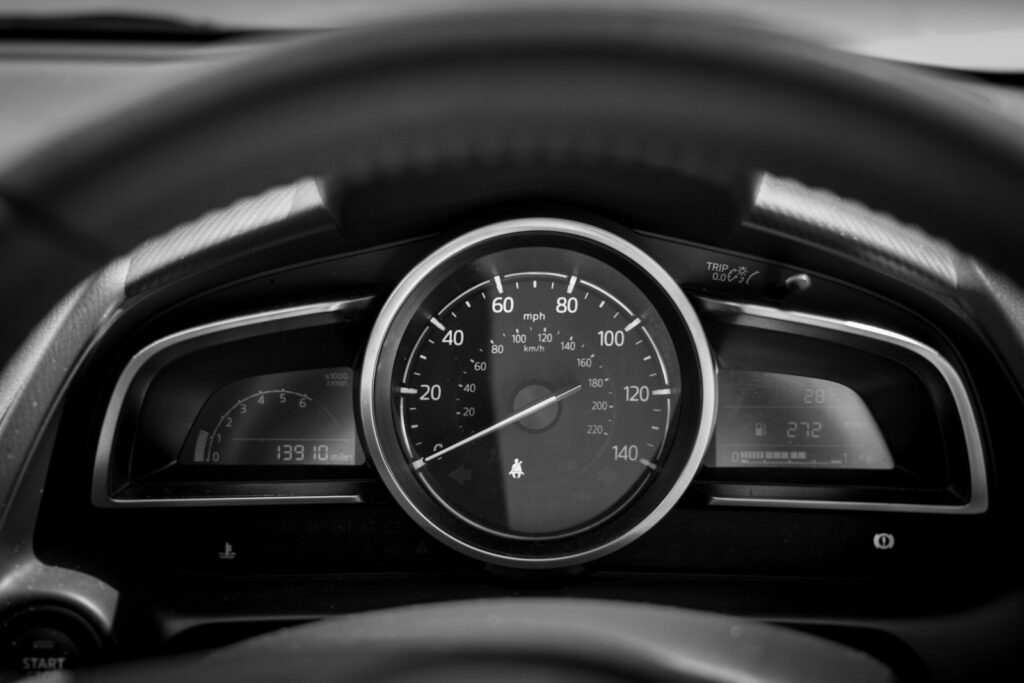
That’s why the listing felt like it had been written directly for him. One-owner sedan, clean interior, “low mileage,” and the photos were the right kind of bland—no weird modifications, no racing stickers, no dashboard lit up like a Christmas tree. When he showed up to see it, the odometer read 38,0xx and the seller did that casual shrug people do when they’re trying to act like they’re not selling anything at all. “Yeah, it just didn’t get driven much,” he said, like that explained everything.
The buyer didn’t have a mechanic friend to drag along, and he didn’t want to be the paranoid newbie who insults the seller with an interrogation. He test-drove it around the neighborhood, listened for clunks, checked the A/C, watched the temperature needle. It felt fine. The interior looked worn in a normal way—some shine on the steering wheel, a few creases in the driver’s seat—but nothing that screamed “this car has lived a hard life.” He handed over the money, got a title and a bill of sale, and drove home feeling like he’d pulled off something smart.
The little things that didn’t add up
The first week was mostly honeymoon stuff: figuring out where the hood release was, setting up Bluetooth, cleaning out the glovebox like he was moving into a new apartment. But the more time he spent with it, the more the “low mileage” part started to itch at him. The brake pedal felt a bit soft, and the rotors had that faint vibration at highway speed that usually shows up after a lot of use.
Then there were the small, oddly specific details you only notice when you’re the one living with the car. The driver’s seat had a sag like someone had been sliding in and out of it twice a day for years. The headlight lenses were hazy enough that he found himself squinting at night. None of it proved anything, but it didn’t line up with a sedan that supposedly spent its life being taken to the grocery store on Sundays.
He tried to talk himself out of it. Maybe the previous owner was rough on the interior. Maybe it sat outside in the sun. Maybe the seller was telling the truth and the car just aged badly. Still, the doubt had gotten in, and once that happens, people don’t just “enjoy their purchase” like they’re supposed to.
The receipt in the glovebox
The turning point wasn’t some dramatic engine failure. It was a folded oil-change sticker and a crumpled receipt he found jammed behind the owner’s manual. The receipt was faded, but he could make out the shop name and a date from a couple years back.
The mileage line was smudged, which would’ve been easy to ignore if it weren’t for the first digit. It wasn’t a “3.” It looked like a “1.” He stared at it long enough that his brain started doing that thing where numbers stop being numbers and become accusations. He took a photo, zoomed in, and felt his stomach go cold.
He didn’t go full detective right away. He called the shop listed on the receipt, expecting the usual dead end—“we don’t keep records,” “we can’t disclose info,” “wrong vehicle.” But the person who answered sounded bored in a way that suggested they’d dealt with nervous car owners before. They asked for the VIN, not the name, like it was routine.
A few minutes later, the shop confirmed they had service history tied to that VIN. And yes, they could read him the last recorded mileage they had on file. It wasn’t 38,000. It was deep into six figures.
Pulling the official history
Once he had that thread, he pulled harder. He ordered a vehicle history report and then went one step beyond that, because the shop record still felt like a “maybe.” Reports can miss things, and oil-change tickets can be misread, and he didn’t want to accuse someone based on a single grimy piece of paper.
He started calling around—dealership service departments, tire places, anywhere that might have touched the car. Most couldn’t help. One told him, politely, that they didn’t give out mileage history without the account holder. Another said they’d look, then never called back. But the calls that did connect all had the same shape: “What’s the VIN?” pause, keyboard clicks, then a change in tone.
The clearest hit came from a state inspection record he managed to get through a document request. It wasn’t a rumor or a handwritten note. It was a logged inspection, tied to that exact VIN, dated two years earlier.
The mileage on it read 184,000.
That number just sat there on the page like it owned the place. Not 48,000. Not 84,000. One hundred eighty-four thousand miles, when the odometer now claimed the car had barely made it through a few commutes. It wasn’t “maybe a typo” territory anymore. It was “someone turned the clock back and expected nobody to notice.”
The confrontation that got weird fast
He called the seller, trying to keep his voice calm enough that he didn’t sound like a teenager accusing his dad of lying. He started with questions, not accusations: “Hey, quick thing—do you have the service records? I found a receipt that doesn’t match the mileage.” The seller didn’t bite. He said he didn’t have records, said he wasn’t the original owner, said the car was sold as-is.
So the buyer got more specific. He mentioned the VIN and the state inspection mileage from two years earlier. There was a pause on the line that felt longer than it probably was. Then the seller went defensive in a way that was almost rehearsed, like he’d been here before: “That’s not my problem,” “I didn’t do anything,” “It read 38,000 when I had it.”
The buyer asked the obvious question: how does a car go from 184,000 down to 38,000 without someone touching the odometer or swapping the cluster? The seller’s answer was slippery. Maybe it was a mistake. Maybe the inspector typed it wrong. Maybe it was the wrong VIN. The buyer read the VIN back out loud, slowly, and the seller stopped trying to explain and started trying to end the call.
When the buyer said he wanted his money back, the seller got irritated, then suddenly “busy,” then outright cold. He offered to “talk later,” then stopped answering messages. The buyer drove by the address he’d picked the car up from and found it looked different than he remembered—less like a person’s home and more like a convenient meetup spot. The kind of place that made you realize you never actually knew who you bought a car from.
What he did next (and what he couldn’t do)
He went to the DMV first, thinking there had to be some automatic flag for something this blatant. The person at the counter listened, nodded, and handed him a form like this was just another Tuesday. The reality was messy: an odometer rollback is illegal, but proving who did it is its own fight, especially when the seller plays dumb and the paperwork is “clean” on the surface.
He filed a complaint with the state consumer protection office and reported suspected odometer fraud. He also called his local police department’s non-emergency line and got the kind of response that wasn’t dismissive so much as overloaded. It wasn’t that nobody cared; it was that the system is built around clear, immediate harm, and this sort of thing turns into paperwork and timelines and “do you have proof the seller did it.”
Meanwhile, he still had the car. He still had to get to work. He still had a payment plan with himself that assumed he’d bought a 38,000-mile sedan, not a vehicle that had already lived most of its life. Every time he started it, he felt like he was participating in the lie someone else created.
He took it to a mechanic and asked them to look for signs of a cluster swap or tampering. The mechanic couldn’t give him a courtroom-ready statement, but he pointed out the obvious: wear patterns that made no sense for 38,000 miles, a couple maintenance items that should’ve been newer, and tiny inconsistencies that suggested parts had been changed without documentation. It was the kind of assessment that makes you feel validated and furious at the same time.
The worst part wasn’t even the money. It was the feeling of being played, of realizing how badly he’d wanted the story to be true—first-time buyer, smart deal, low-mileage gem—and how that want made him easier to steer. The seller’s silence turned into its own answer, and the car sat in his driveway like a lesson he never asked for.
By the end of it, the sedan wasn’t just a car with a suspicious odometer. It was a stack of records that didn’t match, a seller who kept vanishing behind “as-is,” and a number—184,000—burned into his brain every time he looked at the dash and saw 38,0xx blinking back. He could chase refunds, file reports, threaten court, and maybe eventually corner someone into responsibility, but for now he was stuck driving a story that didn’t add up, hoping the next turn wouldn’t be the one where the car finally started acting like it had 184,000 miles after all.
More from Steel Horse Rides: