
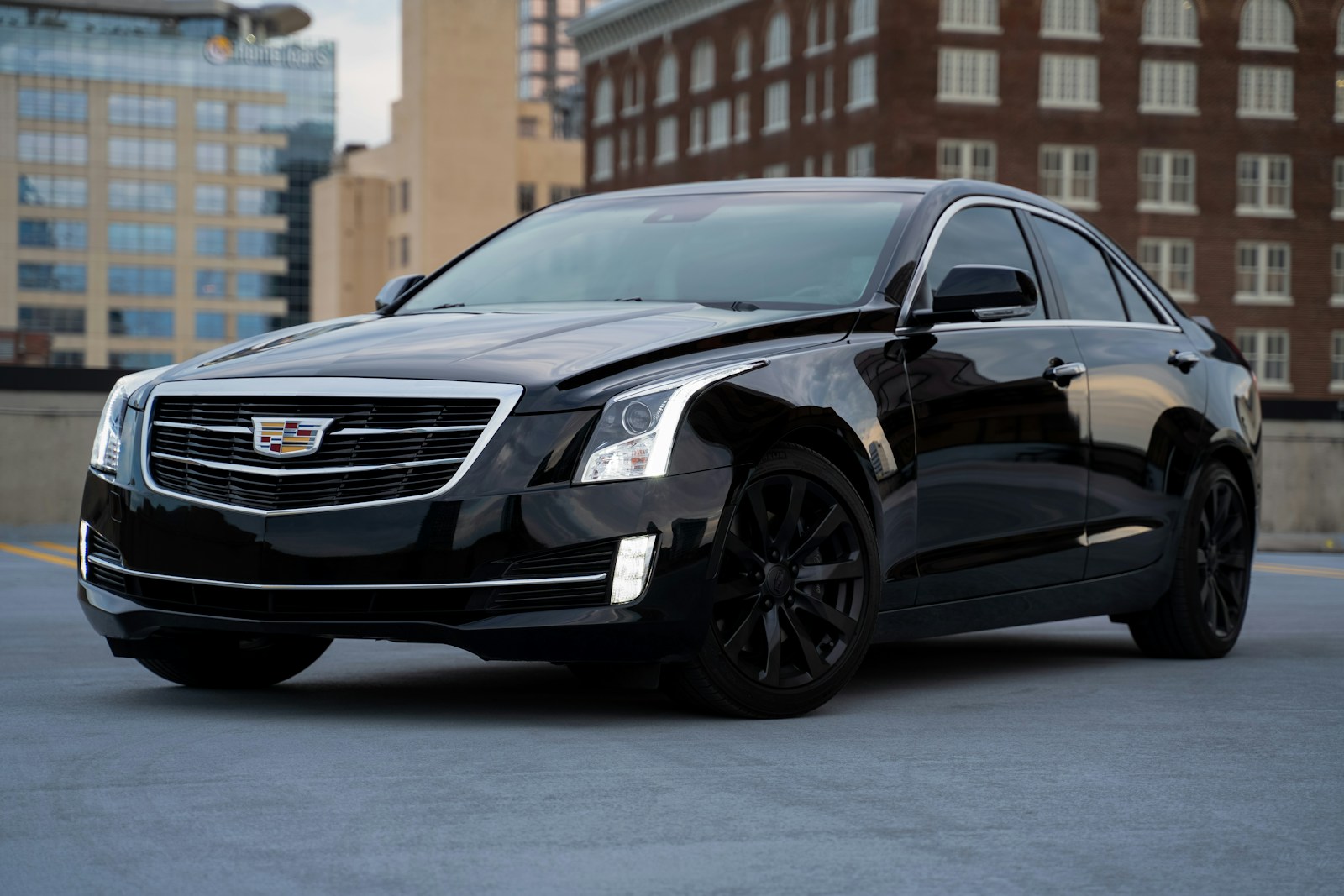

Cadillac’s Formula 1 team turns laps for the first time in 2026, chasing points against Ferrari, Mercedes, and Red Bull on the biggest stage in motorsport. That same year, the fastest Cadillac you can actually buy — a 668-horsepower sedan with a manual gearbox — goes out of production for good. One program represents Cadillac’s biggest performance swing in decades. The other quietly ends the last one. Here’s how the timeline actually lines up, and what the numbers say about where the brand’s performance identity is really headed.
1. The F1 Entry Is Real, and It’s Bigger Than a Sponsorship
Cadillac Formula 1 Team isn’t a badge deal — it’s a full constructor entry, backed by TWG Motorsports and General Motors, confirmed as the grid’s 11th team with a 2026 debut. GM announced its driver lineup in August 2025: Valtteri Bottas, a 10-time Grand Prix winner with 246 starts, and Sergio “Checo” Pérez, a six-time winner with 281 starts. The operation runs across three motorsport hubs — Fishers, Indiana; Charlotte, North Carolina; and Silverstone, UK. GM President Mark Reuss called it “the foundation for American motorsports that will be an extraordinary legacy for Cadillac, GM and the sport.”
2. The Blackwing Twins Don’t Survive 2026
The CT4-V Blackwing and CT5-V Blackwing are Cadillac’s current halo cars, built to fight BMW’s M division and Mercedes-AMG head-on. The CT5-V Blackwing runs a 6.2-liter supercharged V8 making 668 horsepower and 659 lb-ft of torque, hitting 60 mph in as little as 3.4 seconds with the optional 10-speed automatic — or 3.6 seconds with the standard six-speed manual, a gearbox almost nobody else in this segment still offers. Cadillac has confirmed the CT4 line ends production in June 2026 with no successor, and the CT5 — Blackwing included — is retired after the 2026 model year. Both cars go away in the same calendar year the F1 program starts racing.
3. The Replacement Sedan Won’t Be Electric — or a Blackwing
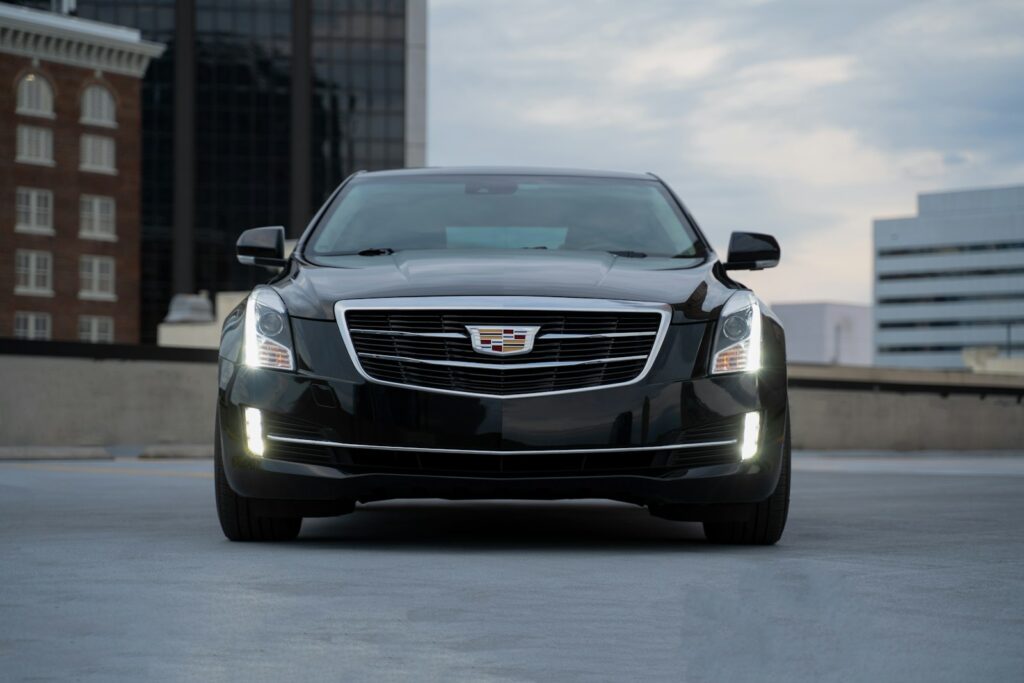
Cadillac has confirmed a next-generation CT5 is coming, built at GM’s Lansing Grand River plant in Michigan. It will run on gasoline, not batteries — no EV variant is planned for it. What hasn’t been confirmed is whether a Blackwing-tier performance variant returns at all. For now, the closest thing to a factory hot-rod sedan in Cadillac’s own showroom is the one currently winding down its order books.
4. Cadillac’s Own Product Chief Admits the Math Still Favors Gas
Cadillac global VP John Roth addressed the strategy directly in an interview published by GM’s own newsroom: “we sell more gas-powered cars than EVs,” and rather than sticking rigidly to an all-electric plan, GM will “augment, pivot, flex, and not be rigidly sticking to a plan that ignores where customers are.” He also credited two decades of V-Series performance heritage while separately touting the Escalade’s record sales and the coming gas-powered XT5 — evidence that combustion, not batteries, is still carrying Cadillac’s volume.
5. F1 Is the Halo Now — Not the Blackwing
Roth’s own framing of the F1 program makes the trade explicit: “Being part of F1, being granted the right to join the grid, tells you that Cadillac is truly competing with other Tier One brands.” Cadillac F1 Team CEO Dan Towriss described drivers Bottas and Pérez as bringing “the perfect balance of talent, maturity, and drive” to the effort. That’s real investment in performance credibility — just not the kind you can option with a manual transmission and drive home from a dealership.
6. Joining the Grid Wasn’t Cheap
None of this comes free. GM and its F1 partner TWG Global reportedly paid a $450 million anti-dilution fee to the sport’s existing teams just to secure Cadillac’s grid slot, according to BlackBook Motorsport’s coverage of the new Concorde Agreement — more than double the $200 million entry fee written into the prior 2021-2025 agreement. That’s before a single car, engine program, or race weekend budget is factored in. Whatever Cadillac spends keeping a Blackwing successor alive, it’s competing for dollars against a nine-figure motorsport commitment that didn’t exist two years ago.
Two performance bets, one calendar year, opposite directions: a nine-figure motorsport program chasing global attention on Sunday afternoons, and a 668-horsepower sedan disappearing from order banks with nothing confirmed to replace it. Cadillac isn’t abandoning performance — it’s relocating where that performance story gets told.