
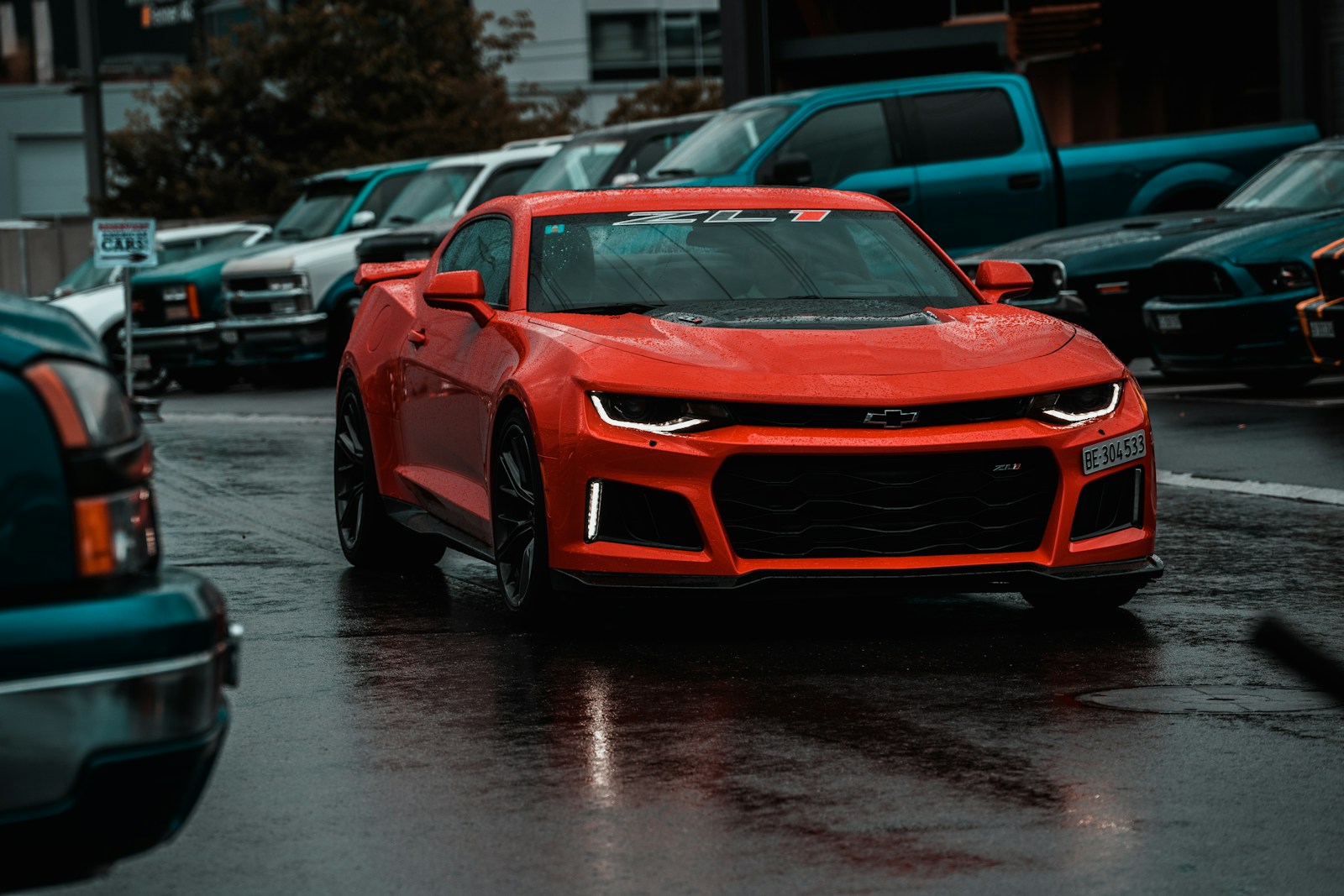

Every time GM kills an enthusiast car, the same prediction shows up in comment sections and group chats: values are about to take off. It happened when the Camaro’s production ended in January 2024, with plenty of owners suddenly convinced their car was destined to become the next appreciating classic. Hagerty actually tracks this stuff for a living, publishing real transaction data instead of vibes, and its own numbers tell a much less dramatic story. The Camaro isn’t crashing, but it isn’t rocketing either. It’s doing something a lot more boring, and that’s worth understanding before you overpay for one expecting a payday.
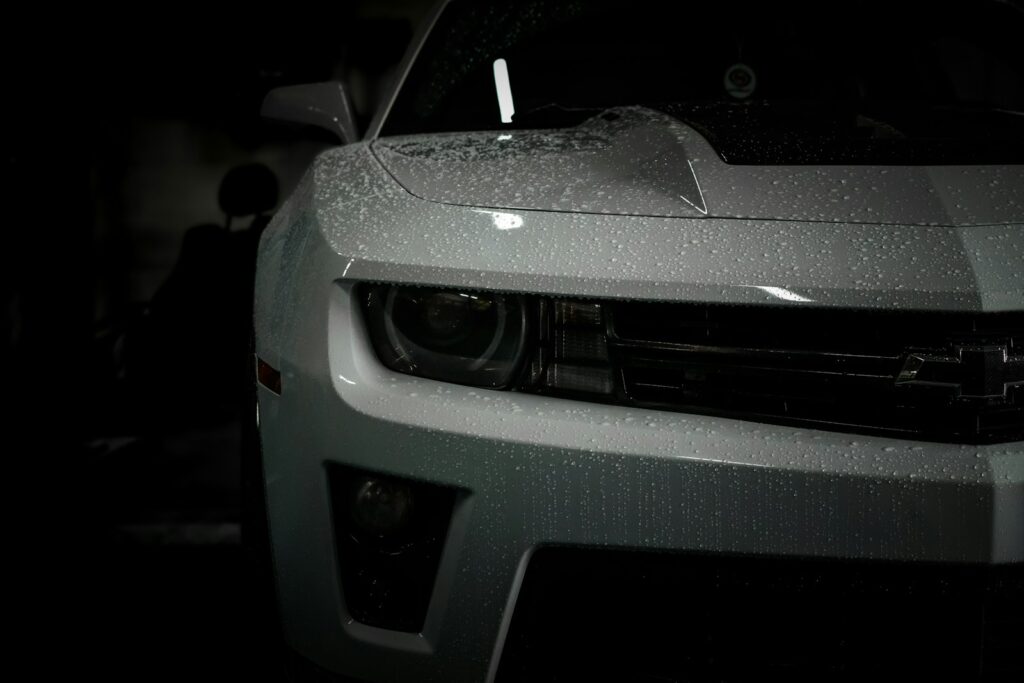
The Final Cars Aren’t Spiking
Start with the car people assumed would move first: the very last Camaro built. Hagerty’s own valuation tool lists the 2024 Camaro convertible’s base value around $40,000 with a trend of roughly plus 4.2 percent. That’s a real number, and it’s positive, but it’s a far cry from the kind of “final year” mania that sent some discontinued Mustangs and Firebirds up double digits within months of the last car rolling off the line. A single-digit percentage bump on a car that just ended production isn’t a spike. It’s what a normal, healthy used car does when demand slightly outpaces supply.
Maybe the clearest evidence of all: when Hagerty put together its own 2026 list of enthusiast cars it expects to appreciate, the recently discontinued Camaro didn’t make the cut. Per a rundown of that Bull Market List, the 11 picks ranged from a 2006-2013 Corvette Z06 to a 1956-1957 Continental Mark II. If any car fit the profile Hagerty is looking for, a discontinued, newly-out-of-production sports coupe with a cult following, it would be the Camaro. Hagerty’s own analysts looked at it and left it off.
Older Generations Tell an Even Messier Story
Go back further and the “discontinued equals instant value” theory falls apart even more. In its own generation-by-generation breakdown, Hagerty Insider reports that third-generation IROC-Z and Z/28 cars in #2 (Excellent) condition climbed more than 50 percent over recent years, but that gain wasn’t uniform. Base 305-cubic-inch cars actually took a 5 percent loss recently, even as 350-powered IROCs held strong. Fourth-generation SS and Z/28 models “stayed fairly flat for years,” per the same report, before getting a pandemic-era bump in early 2021, and Hagerty describes them as still having “definite room for growth,” which is a polite way of saying they haven’t gone anywhere fast. Even the late second-generation Z/28 from 1978-81, which Hagerty says saw a genuinely “heroic upward trajectory” at one point, cooled into “a noticeable downturn” by 2023.
Hagerty’s own generation-by-generation value guide puts real numbers on the high end: a 1969 ZL1 in #2 condition averages $705,000, with exceptional sales topping $1 million, while a 1970 SS 396 sits at $86,500 and a 1990 IROC-Z checks in at just $28,000. Those are wildly different cars at wildly different price points, which is exactly the point. Camaro values have never moved as one unified block that rises together the moment GM stops building new ones, and there’s no data suggesting 2024’s discontinuation broke that pattern.
Why the Hype Got Ahead of the Data
Part of the disconnect is that “discontinued” has become shorthand online for “instant classic,” a lesson people half-learned from a handful of genuine outliers like the last-call Dodge Challenger and Charger V8s. But Hagerty’s own analysts, the people who literally price these cars for insurance purposes and watch every public auction result, are telling you the sixth-generation Camaro is still sliding down what they call the standard “late model depreciation curve,” the ordinary period where a recently-retired car loses value before any collector premium kicks in, if one ever does. That curve doesn’t reverse itself just because enthusiasts on social media decided it should, and Hagerty’s data has no reason to be shy about calling a spike a spike when one actually shows up — it just isn’t seeing one here.
If you’re holding a late Camaro hoping for a Mustang Boss 302 moment, the numbers say patience, not urgency, is the right posture. If you’re shopping for one assuming the window to buy cheap has already closed, Hagerty’s own guide says otherwise. The market didn’t get the memo everyone else did, and it’s been pricing the car accordingly the whole time.