
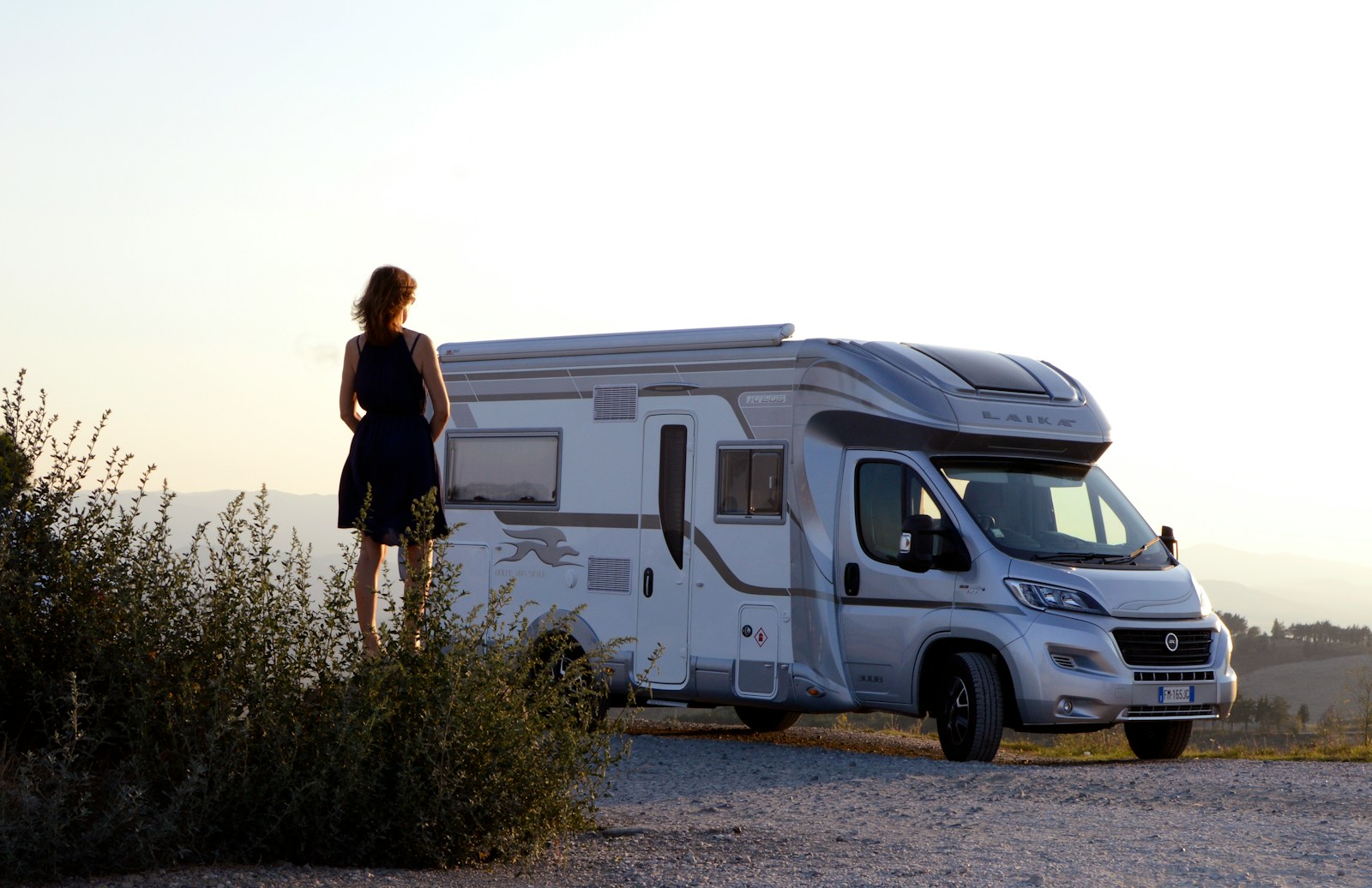

They were trying to do the wholesome thing: rent a camper for the week, load up the kids, and turn a regular vacation into the kind with board games at night and breakfast cooked on a tiny stove. The parents had mapped out the first leg like they always did—two hours on the highway, a grocery stop near the campground, then an easy check-in before dark.
The only thing they couldn’t control was the camper itself, which came from a local dealer that acted like they did this in their sleep. The walk-through was quick, the keys were handed over, and every question got the same breezy answer. When the dad pointed at the tires—because he’s that guy, the one who actually looks—they were waved off with a smile: “Basically new.”
The tires didn’t look new. They looked… fine, if you didn’t know what you were looking at, or if you were the type of person who thinks rubber is rubber and it’s all fine until it isn’t. The parents hesitated anyway, because you don’t want to be “difficult” five minutes into a trip you’ve already paid for, and because the kids were bouncing around excitedly like the vacation had already started.

The walk-through that felt like a brush-off
The dealer’s lot was the usual mix of shiny showroom units and older rigs parked like they were waiting for their next chance. The family’s camper wasn’t ancient, but it had enough scuffs to tell you it had been around. The dad noticed the tires right away because they didn’t match the vibe: the sidewalls looked a little dry, the tread wasn’t terrible, but the rubber had that dull, tired look.
He asked the obvious question—how old are these?—and got the line that started all of this. The salesperson didn’t say “two years” or “recently replaced,” just “basically new,” with the kind of tone that meant, please don’t make me go check. When the mom pushed a little harder, the answer shifted into reassurance mode: tires are inspected, they’re fine, they do this all the time.
There was also that subtle pressure people don’t talk about: once you’re standing there with your stuff packed and your kids psyched, backing out feels like canceling Christmas. The parents signed, the dealer hooked up the camper, and they rolled out with a wave and the sense that maybe they’d been paranoid. The dad still took a photo of the tire sidewall as they left, almost like a reflex he couldn’t explain.
Fifteen minutes of normal, then the sound nobody forgets
The first part of the drive was boring, which is exactly what you want when you’re towing something big. The kids were talking over each other, the parents were doing that careful highway scanning, and the camper tracked behind them like it was supposed to. They even relaxed enough to talk about where they’d stop for lunch.
Then there was a bang so sharp the driver thought they’d been hit. The camper lurched, the steering went weird, and the whole rig started doing that ugly sway that makes your stomach drop before your brain catches up. The dad eased off the gas, fought the instinct to slam the brakes, and got them onto the shoulder with the hazard lights strobing in broad daylight.
They got out into the roar of traffic and walked back, and that’s when the mom’s face changed. One tire was shredded down to ribbons, not just flat—destroyed, as if it had been peeled apart. The fender area looked chewed up, with rubber and bits of material flung everywhere.
They were still processing that when the second bang hit—another tire, same side. The sound wasn’t just loud; it was violent, the kind that makes you flinch even when you’re expecting it. The camper rocked, and for a second it felt like the whole thing might tip.
When the damage isn’t just a tire problem anymore
Two blown tires is already a disaster. What made this go from “call roadside assistance” to “how is this even possible” was what the tires did on the way out. The shredded rubber whipped around like a flail and tore into the underside of the camper, ripping up insulation and punching through the floor in at least one spot.
Inside, the kids started screaming because the noise came through the walls and the camper shifted like an earthquake. The mom pulled them toward the car and tried to keep her voice steady while she checked if anyone was hurt. The dad climbed up into the camper just far enough to see daylight where it absolutely shouldn’t be—jagged edges, splintered material, a hole that turned the floor into something you couldn’t trust.
They weren’t even out of their home county. The vacation didn’t “start badly.” It never started at all; it just got replaced with shoulder gravel, passing semis, and the kind of adrenaline that leaves you shaky after. Somewhere in there they made the call to roadside, then to the dealer, because surely this was a “come get your unsafe rig” situation.
The dealer’s first response wasn’t apology. It was questions that sounded like accusations: how fast were you going, did you hit something, are you sure you didn’t curb it pulling out. The parents were standing there staring at two exploded tires and damage that looked like a small animal had tried to claw its way into the camper, and they were being treated like they’d done something reckless.
The “basically new” claim starts unraveling
While they waited, the dad did what he’d done earlier: he looked at the tire sidewall, except now he looked for the code. If you’ve never checked a tire date, it’s not obvious—it’s a small stamp that tells you the week and year it was made. He found it, wiped road grime off with his thumb, and watched the numbers turn his suspicion into certainty.
Six years old. Not six months. Not “last season.” Six years of heat cycles and sitting and whatever the camper had been doing before it got handed to them with a smile and a patter of reassurance.
He sent a photo to the dealer, expecting that to change the tone. Instead, the dealer got defensive in that specific way businesses do when they realize there’s a paper trail forming. They claimed age didn’t matter if the tread was good, claimed tires “don’t just blow,” and circled back to speed again like it was the magic word that made everything the family’s fault.
The mom, meanwhile, was doing the ugly mental math: they’d paid for campsites, taken time off work, packed food, made promises to the kids. Now they were stuck on the roadside with a damaged camper that couldn’t be safely towed, and the company that sent them out was acting like this was a customer-service inconvenience instead of a safety failure. The kids kept asking if they could still go, which somehow made the whole thing feel worse.
Roadside chaos, corporate tone, and the blame game
By the time help arrived, the story had already split into two realities. In the family’s version, they’d been sent out on unsafe tires and had a near-miss that could’ve ended with a rollover. In the dealer’s version, an inexperienced customer had “misused” equipment and now wanted the business to eat the cost.
The tow operator took one look and didn’t treat it like normal wear-and-tear. He pointed out the shredded belts, the way the tire had come apart, the damage under the camper, and asked how old the tires were. When the dad said “six years,” the operator did that little laugh that isn’t humor so much as disbelief, and just shook his head.
The dealer’s communication stayed weirdly calm in the worst way—polite sentences that carried zero responsibility. They offered to replace the tires, sure, but started hedging on the floor damage like that was a separate, mysterious event. The family asked about a refund, or swapping units, or at least covering the tow, and the answers turned into policy talk and “we’ll have to review.”
What made it sting was how quickly the dealer tried to frame the family as the problem. “You must’ve hit debris.” “You must’ve driven too fast.” “These things happen.” It’s hard to describe how infuriating that is when you’re looking at a torn-up camper floor and thinking about your kids sitting in the back seat during the explosions, wide-eyed and silent now in that exhausted way children get after they’ve been scared.
In the end, the family did what people always do when they realize a friendly phone call isn’t going to fix it. They documented everything: photos of the date codes, the blowouts, the floor damage, the mileage from the lot to the shoulder, the towing invoice, the rental paperwork. The vacation days didn’t come back, the campground reservation didn’t magically reschedule itself, and the kids didn’t forget the sound of rubber exploding at highway speed.
The mess wasn’t resolved in a neat bow. The camper was back in the dealer’s possession, but the blame was still being pushed downhill, and the family was left with that horrible lingering question: if the tires were “basically new,” what else had been treated like a detail that didn’t matter? The last thing the mom said to her partner—quietly, while the kids slept off the adrenaline—was that she couldn’t stop thinking about how close they came to something much worse, and how casual the people selling safety had been about the part that actually touches the road.
More from Steel Horse Rides: