

Catalytic converter theft was supposed to be a pandemic-era problem that faded once metal prices cooled off. It didn’t stay gone. After State Farm reported a 74% drop in theft claims for the first half of 2024 compared to the same period a year earlier, insurance and metals data now point to a rebound, and this time thieves are working from a more specific shopping list built around ride height rather than just badge or brand.
The Boom, the Bust, and the Comeback
State Farm’s own claims history traces the whole arc. The insurer’s newsroom reported claims climbing from roughly 2,500 in 2019 to a peak near 45,000 in 2022, a stretch when scrap prices for the precious metals packed into every converter went vertical. What followed looked like relief: claims fell to about 21,200 in 2023, then dropped again to roughly 3,800 in the first half of 2024, which State Farm called “a second consecutive year of decline.” The decline tracked almost exactly with falling precious metal prices and a wave of new state laws restricting who scrap yards could legally buy converters from.
That relief didn’t last. By early 2026, rhodium had climbed from a 2024 low near $4,600 an ounce to roughly $10,400, a jump of more than 126%, while platinum rose from about $950 to $2,090 and palladium climbed from $980 to $1,670 over the same stretch, according to precious metals figures compiled in a 2025-2026 rebound analysis of insurance claims data. Local numbers back up the national trend. St. Paul, Minnesota logged 172 catalytic converter thefts in 2024 and 504 in 2025, a 193% jump despite a strict 2023 state law aimed directly at curbing the crime. Berkeley, California recorded roughly 250 thefts across all of 2025, then logged nine in a single week in January 2026 alone.

Why Certain Vehicles Keep Showing Up on the List
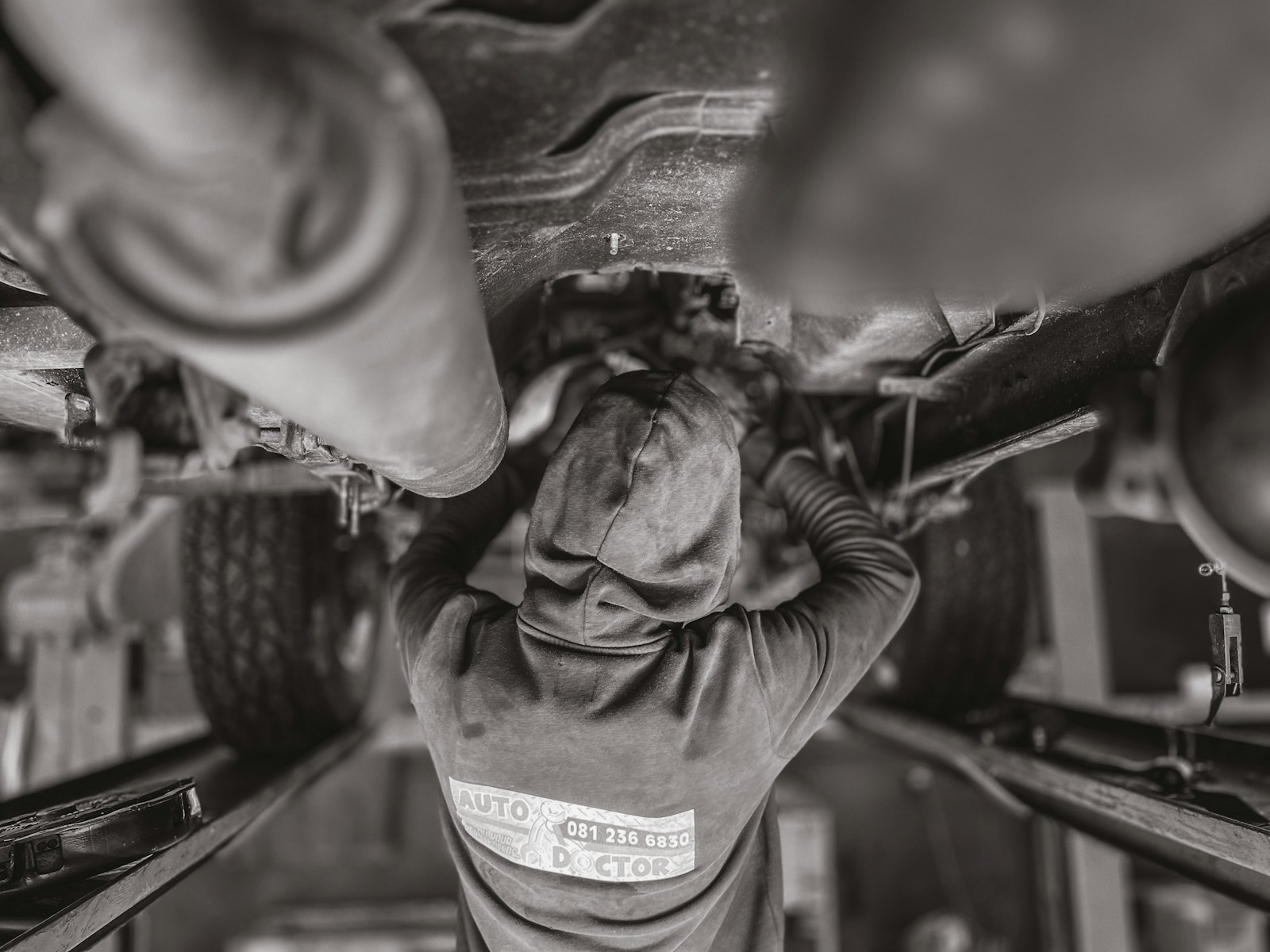
The rebound isn’t hitting every car equally. National Insurance Crime Bureau data on California theft patterns shows a consistent cluster of targets over the past several years, and it isn’t random: the Toyota Prius, Honda Element, Honda Accord, Ford Econoline, Honda CR-V, Ford F-250, Toyota Tundra, Toyota Sequoia, Ford Excursion, and Toyota Tacoma all rank among the most frequently hit. That list splits cleanly into two categories for two different reasons. Hybrids like the Prius pack extra precious metal into their converters because their gas engines cycle on and off, requiring a more robust catalyst to keep emissions clean across those constant restarts. Trucks and SUVs like the F-250, Tundra, Sequoia and Excursion get targeted for a simpler, more mechanical reason: their factory ground clearance means a thief can slide a battery-powered saw underneath and cut the converter free in well under two minutes, often without even needing a jack.
That combination, high-value hybrids and easy-access high-clearance trucks, is exactly why theft networks scale the way they do. The Justice Department’s 2022 takedown of a nationwide theft ring charged 21 defendants across nine states in a scheme built on moving stolen converters up a supply chain fast enough to convert them into cash before any single theft could be traced. Then-FBI Director Christopher Wray put the human cost bluntly: “They made hundreds of millions of dollars in the process, on the backs of thousands of innocent car owners.” U.S. Attorney Phillip Talbert’s office noted that in California alone, roughly 1,600 catalytic converters were being reported stolen every month at the peak of that case, a scale only possible because the underlying vehicles being targeted were common enough to hit repeatedly across an entire region.
What Actually Slows a Thief Down
Owners of the vehicles on that target list have real, inexpensive options rather than just hoping their driveway gets skipped. A welded-on protective shield or steel cage around the converter adds enough time and noise to push most opportunistic thieves toward an easier target parked nearby. Etching a vehicle’s VIN onto the converter itself, a service many muffler shops and some police departments offer for free or low cost, doesn’t stop the theft but makes stolen parts far easier for scrap yards to flag and for police to trace back to a specific theft ring. Parking in a garage or under a well-lit area with camera coverage removes the two things thieves rely on most: privacy and time.
None of those fixes require replacing a truck or trading in a hybrid. What they require is treating the current price cycle as exactly that, a cycle, rather than assuming a temporary dip in theft numbers means the underlying incentive has gone away. It hasn’t. Precious metal prices set the pace, and every time they climb, the same handful of vehicle types end up back at the top of the list for the same mechanical reasons they were there the last time around.