


Toyota tells shoppers its certified used vehicles pass a 160-point inspection. Ford advertises 172 points. Honda puts the number at 182. BMW skips a specific point count altogether and instead describes a “360°” evaluation covering tires, brakes, body condition and a diagnostic road test, according to BMW’s own certified pre-owned page. All four badges use the same two words on the windshield sticker, but the checklist behind that sticker is not one industry standard. It’s four separate corporate programs, each one written by the automaker that stands to sell the car.
The Same Label, Four Different Checklists
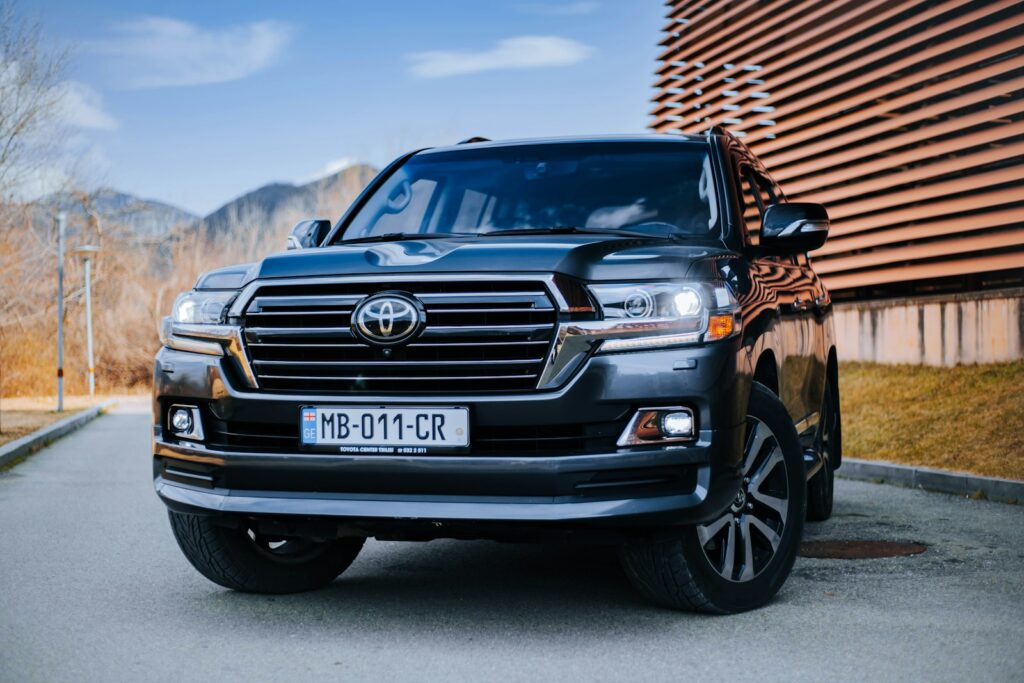
Toyota’s Certified Used Vehicle program centers on what the company calls its 160-point multi-point inspection, which Toyota’s own certified-vehicle site says covers everything from braking and engine performance to interior electronics before a used car qualifies. Toyota backs a passing inspection with a 12-month or 12,000-mile comprehensive warranty and, on Gold-level certified vehicles, a 7-year or 100,000-mile powertrain warranty.
Honda’s checklist runs longer. In a press release announcing a new digital version of its inspection paperwork, American Honda said its Certified Pre-Owned program is “a detailed process with a 182-point inspection that covers every major system,” and that shoppers can now view and download the completed checklist for a specific car online rather than taking a dealer’s word for it, according to Honda’s own announcement.
Ford’s Gold Certified program lands in between, at a 172-point inspection broken into distinct categories, according to Ford’s certified pre-owned site: a 5-point vehicle history and recall check, a 17-point road test covering the engine, transmission, steering and brakes, a 52-point interior inspection, a 35-point underhood check, and a 30-point underbody inspection of the frame, exhaust and suspension, among other categories.
When the Automaker Doesn’t Publish a Number at All
BMW takes a different approach entirely. Its certified pre-owned page describes a process rather than a point total: trained technicians run a “360° vehicle inspection” covering tire, wheel and brake condition, body fit and finish, a mechanical inspection, and a diagnostic and road test using BMW’s own equipment, with sign-off required from a BMW Certified Technician, a service manager and a BMW Certified Manager. That process has to clear before a car earns BMW’s one-year, unlimited-mile Certified Pre-Owned Limited Protection Plan, plus separate coverage for high-voltage battery defects on electrified models. But there’s no discrete checklist number a shopper can hold up next to Toyota’s 160 or Honda’s 182, which makes a direct comparison against those programs difficult even for someone who has read every page of BMW’s own marketing.
Why the Number Itself Can Mislead
A higher point count doesn’t automatically mean a more rigorous inspection, since automakers aren’t working from a shared definition of what counts as one “point.” Ford’s own breakdown shows some categories carrying dozens of checks while others, like its one-item diagnostics category, count as a single point despite running a full computer self-test across the vehicle’s modules. That means a shopper comparing a Honda-badge 182 against a Toyota-badge 160 is really comparing two different accounting systems, not two different depths of scrutiny. The honest comparison point isn’t the number on the sticker. It’s what each automaker is willing to put in writing about what actually gets checked, and whether that documentation follows the car once it’s sold.
What a Shopper Can Actually Verify
The most useful move for a used-car shopper isn’t memorizing which automaker claims the highest point count. It’s asking the selling dealer for the completed inspection checklist for that specific vehicle, not the marketing brochure describing the program in general terms. Honda’s move to post the actual completed 182-point checklist online for each certified vehicle, rather than just advertising the number, points at what a meaningful version of that transparency looks like: a document tied to one VIN, not a promise about the brand’s methodology as a whole.
The warranty terms attached to each badge are worth comparing just as closely as the inspection itself, since that’s the part a buyer actually collects on later. Toyota’s 12-month comprehensive coverage is noticeably shorter than the powertrain-only extension that comes with its Gold certification, while BMW pairs its inspection with a full year of unlimited-mile coverage plus a separate eight-year battery warranty on electrified models. None of those terms are interchangeable just because the cars all wear a “certified” badge on the window. Absent a checklist tied to the specific car in front of them, “certified pre-owned” functions as a warranty program wearing an inspection’s name, and the depth of the inspection behind it varies by automaker far more than the shared terminology suggests.