
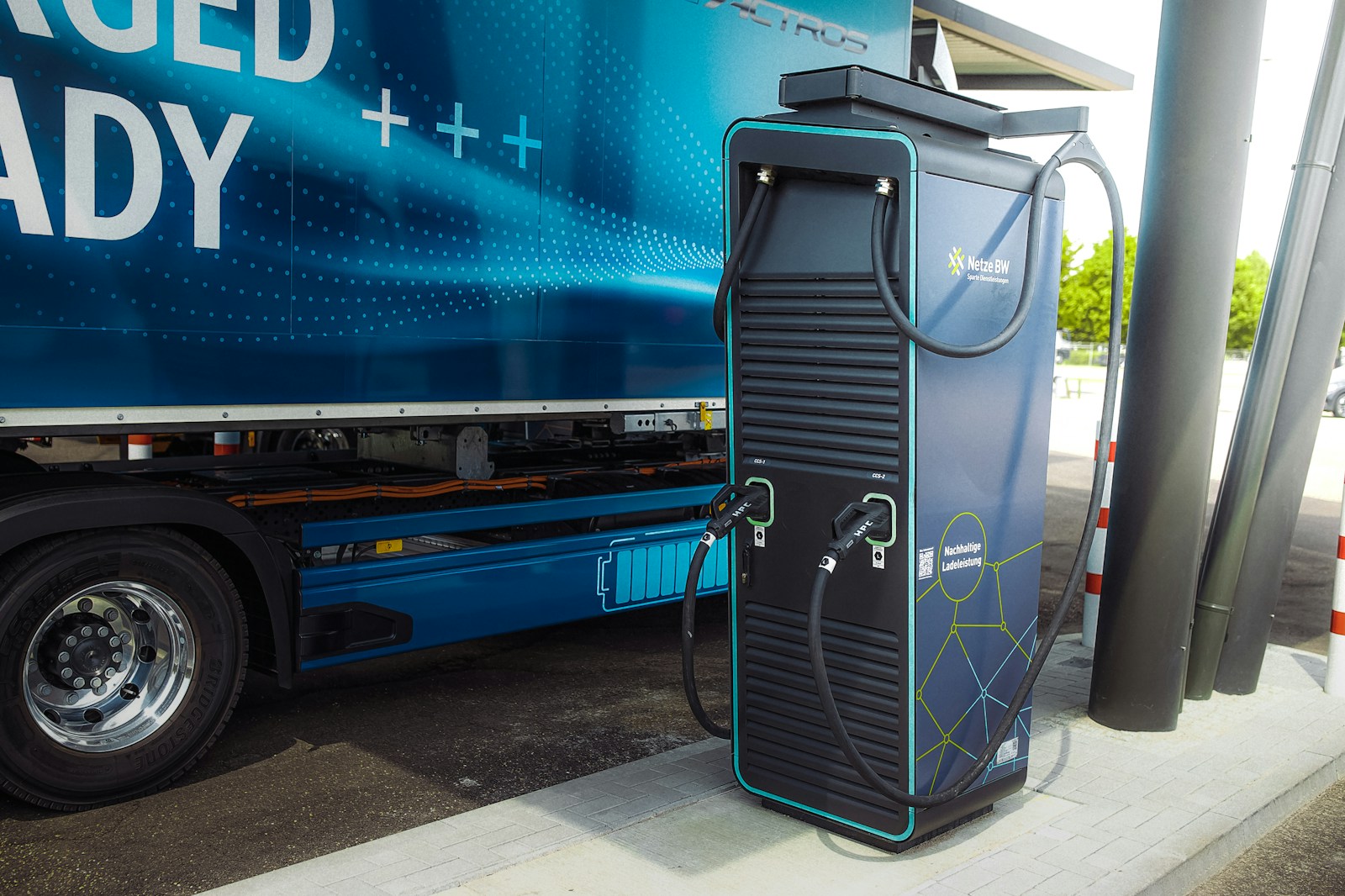

17.9 cents. That’s roughly what it costs to drive one mile in a Tesla Model 3 using a public fast charger in California right now — more than what it costs to drive that same mile in a 36-mpg Honda Civic filled up at the pump. Run the same math in Texas, Oklahoma, or Alabama, and the gap gets even more lopsided in gas’s favor. Public DC fast charging has quietly become expensive enough that, in several states, it now costs more per mile than gasoline does in an efficient compact car — a reversal that runs directly against the “EVs are cheaper to fuel” pitch most buyers still assume is true everywhere.
What Fast Charging Actually Costs Right Now
Electrify America, one of the largest public fast-charging networks in the country, is charging a national average of $0.617 per kWh as of July 2026, with per-state pricing ranging from $0.51/kWh in Alabama up to $0.69/kWh in California. Texas sits at $0.60/kWh, Colorado at $0.62/kWh, Florida at $0.61/kWh, and New York at $0.54/kWh. That’s not a promotional or member rate — it’s the standard public price anyone pulling up to one of these stalls pays, and it runs two to three times higher than what the same electricity costs at home.
A Tesla Model 3, one of the more efficient EVs on the road, uses roughly 26 kWh per 100 miles on the EPA’s combined cycle, per fueleconomy.gov’s ratings for the model — call it about a quarter of a kWh per mile. Multiply that efficiency by the fast-charging rate in any given state, and you get a real per-mile fuel cost that most EV shoppers never see spelled out.
Doing the Math, State by State
In Texas, where AAA lists regular gas averaging around $3.67 a gallon, a Model 3 fast-charged at Electrify America’s $0.60/kWh rate costs about 15.6 cents per mile. A Honda Civic averaging 36 mpg combined costs roughly 10.2 cents per mile on the same gas, and even a less frugal Toyota Camry at 32 mpg comes in around 11.5 cents. The EV costs 35 to 50 percent more per mile to fast-charge than either gas car costs to fill up, in a state where gasoline is genuinely cheap.
California tells a version of the same story despite having the nation’s highest gas prices. At $5.85 a gallon and Electrify America’s $0.69/kWh rate, the Model 3’s fast-charging cost works out to about 17.9 cents per mile, versus roughly 16.3 cents for the Civic and 18.3 cents for the Camry — close enough that the EV isn’t clearly cheaper, and it’s outright more expensive than the compact car. Even in Alabama, which has both the country’s cheapest Electrify America pricing and below-average gas at roughly $3.80 a gallon, fast-charging a Model 3 runs about 13.3 cents a mile against the Civic’s 10.6 cents.
Why This Isn’t the Whole EV Cost Story — But It’s a Real Part of It
None of this applies to home charging, which remains dramatically cheaper than gasoline in nearly every state and is how most EV owners do the bulk of their charging day to day. The comparison above is specifically about public DC fast charging — the plug-and-go stations used on road trips or by drivers without home charging access — and that distinction matters enormously to the actual math. But fast charging isn’t a rare edge case anymore. Renters, apartment dwellers, and anyone without a driveway increasingly rely on public networks for most or all of their charging, and for that growing share of EV owners, the “electricity is cheaper than gas” assumption simply doesn’t hold in a lot of the country anymore.
The pattern also isn’t static. Electrify America and competing networks have raised prices multiple times as they work toward profitability after years of venture-style pricing designed to attract early adopters, while gas prices swing with crude oil markets that are, at the moment, relatively soft in gas-producing states like Texas. Whichever direction each side moves next, the gap that’s opened up between fast-charging cost and pump price in low-gas-cost states is wide enough now that it’s worth an EV shopper’s attention before they assume the math automatically favors the plug.