
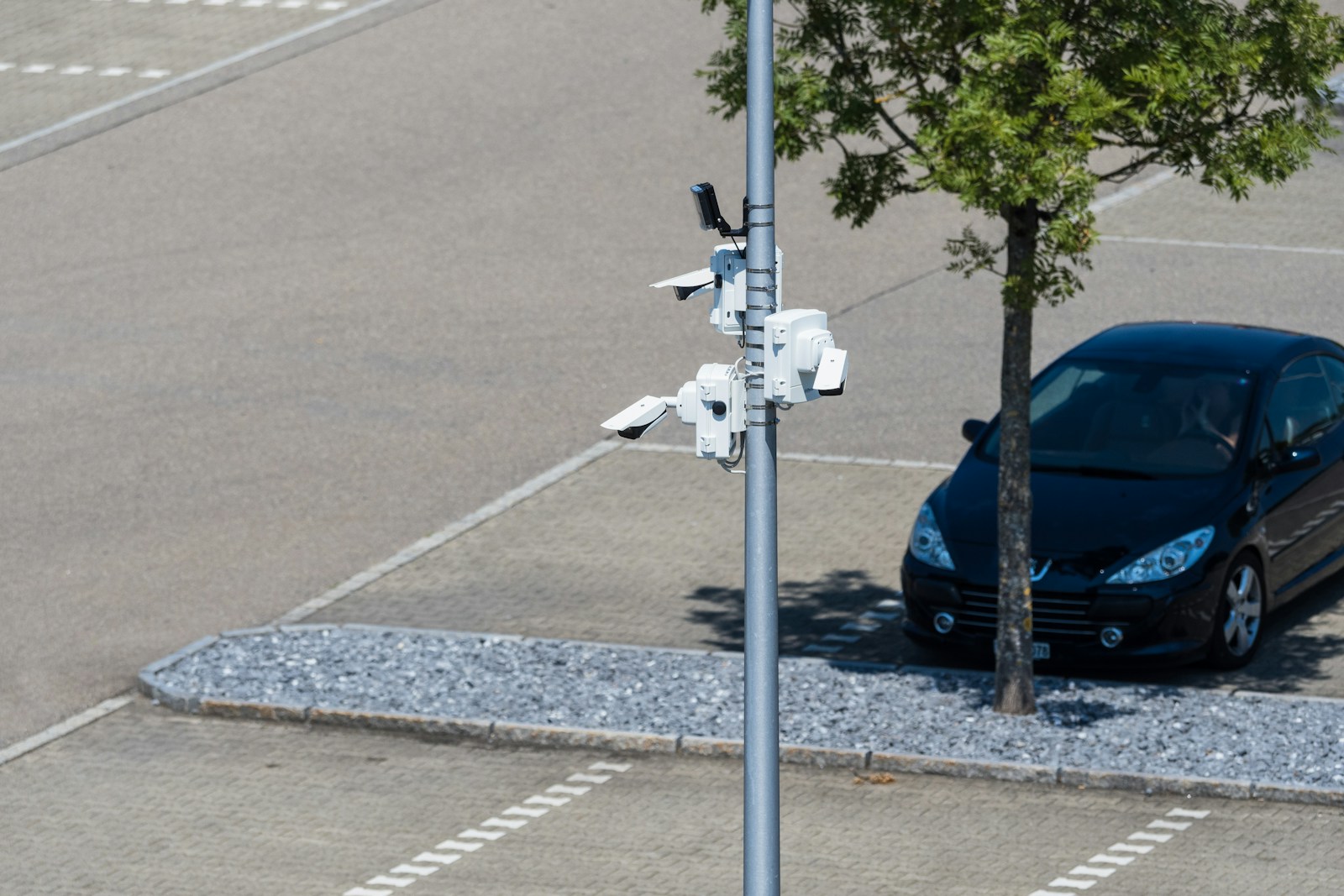

You’ll quickly grasp what these new street-side systems do and why they matter: cities mount cameras with microphones and algorithms to detect vehicles that exceed legal noise limits, capture license plates, and trigger fines. You can expect faster, automated enforcement of loud exhausts that aims to cut down on chronic street noise without needing an officer on site.
They’ll explore how the technology senses decibel levels, pairs audio with video, and uses human review before tickets issue, and they’ll weigh the trade-offs between quieter neighborhoods and privacy or fairness concerns. Follow along to learn how these systems work, what controversies they’ve sparked, and what the future of urban noise enforcement might look like.
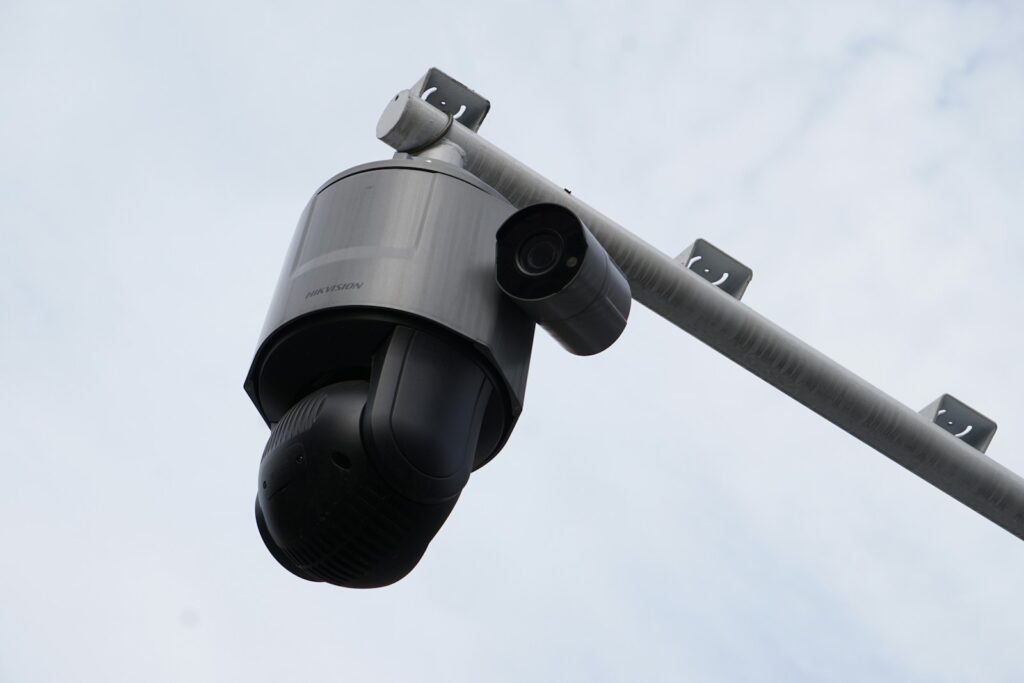
How Noise Cameras Automatically Ticket Loud Vehicles
Noise cameras detect and document loud vehicles using synchronized microphones and cameras, apply a decibel threshold to trigger recording, and capture license-plate images for citation. They aim to isolate vehicle exhaust or music as the offending sound and attach that evidence to a mailed fine.
How Noise Cameras Work
Noise camera units combine directional microphone arrays with high‑resolution cameras. Microphones measure sound pressure levels and use algorithms to locate the loudest sound source within the sensor array. When the system isolates a vehicle as the sound origin, the camera captures stills or video focused on the license plate.
Vendors such as SoundVue and Sorama build systems with on‑board processing to filter background noise, reject non‑vehicle sources, and distinguish continuous exhaust noise from transient sounds. Systems log timestamped audio, decibel readings, and the image evidence together so municipalities can verify violations before issuing tickets.
Decibel Limits and Enforcement Thresholds
Many deployments use an 85‑dB activation threshold measured at a specified distance (for example, 50 feet) to reduce false positives and account for legal limits. The detection algorithm often requires that the measured level exceed the threshold for a minimum duration and that the source localization points to a moving vehicle.
Laws like the Stop Spreading the Noise Act set local enforcement rules and penalties tied to those thresholds. Cities may calibrate thresholds for road geometry, ambient noise, and time of day, and they typically require human review of each flagged event before a citation is mailed to the registered owner.
Examples of Cities Using Noise Cameras
New York City tested noise cameras under the Stop Spreading the Noise Act, using 85‑dB activation to ticket drivers with modified exhausts. That pilot produced dozens of tickets and informed how thresholds and placement work in dense urban settings. (See New York City noise camera reporting.)
Other U.S. cities, including Knoxville and Miami Beach, and European cities such as Paris and some London boroughs, have installed systems to target loud motorcycles, trucks, and modified cars. Vendors report most violations occur during evening and overnight hours, and municipalities adjust camera locations and policies based on complaint patterns and equity concerns.
Impacts, Controversies, and the Future of Urban Noise Enforcement
Cities debate trade-offs between quieter streets, enforcement costs, and civil liberties. Automated systems aim to cut loud vehicle incidents and chronic noise complaints while raising questions about fairness, privacy, and long-term policy effects.
Reducing Noise Pollution in Cities
Noise cameras target vehicles that exceed local decibel limits, recording audio and license plates to issue fines automatically. Early pilots in major cities reported measurable drops in repeat offenses, and municipalities expect fewer late-night revving incidents and lower overall traffic-related noise complaints.
Reduced vehicle noise improves the urban soundscape around homes, schools, and hospitals. Planners value that predictable enforcement can complement road design and anti-idling rules. Cities may integrate cameras with other sensors to track trends and prioritize enforcement where background noise and population density cause the greatest harm.
Public Concerns and Equity Issues
Communities worry that fines will disproportionately affect lower-income drivers and young people who modify vehicles. Critics note that ticketed vehicle owners may be renters or uninsured drivers who lack resources to retrofit mufflers, which can make penalties punitive rather than corrective.
Advocates propose sliding fines, amnesty periods, and voucher programs for compliant exhaust repairs to reduce inequitable impact. Cities face pressure to publish complaint-and-enforcement data so residents can see whether cameras address neighborhood hot spots or simply shift enforcement patterns to wealthier or whiter blocks.
Privacy and Legal Considerations
Noise cameras collect audio plus high‑resolution imagery on public streets, prompting litigation over surveillance and evidence admissibility. Legal challenges focus on whether continuous audio recording violates wiretapping or unreasonable-search protections in different jurisdictions.
Agencies respond with technical safeguards: on-device decibel scoring (not raw audio retention), limited data retention windows, and strict access logs. Municipalities that pilot systems often consult local privacy laws and conduct public notice campaigns to reduce legal risk and build trust.
More from Steel Horse Rides: