
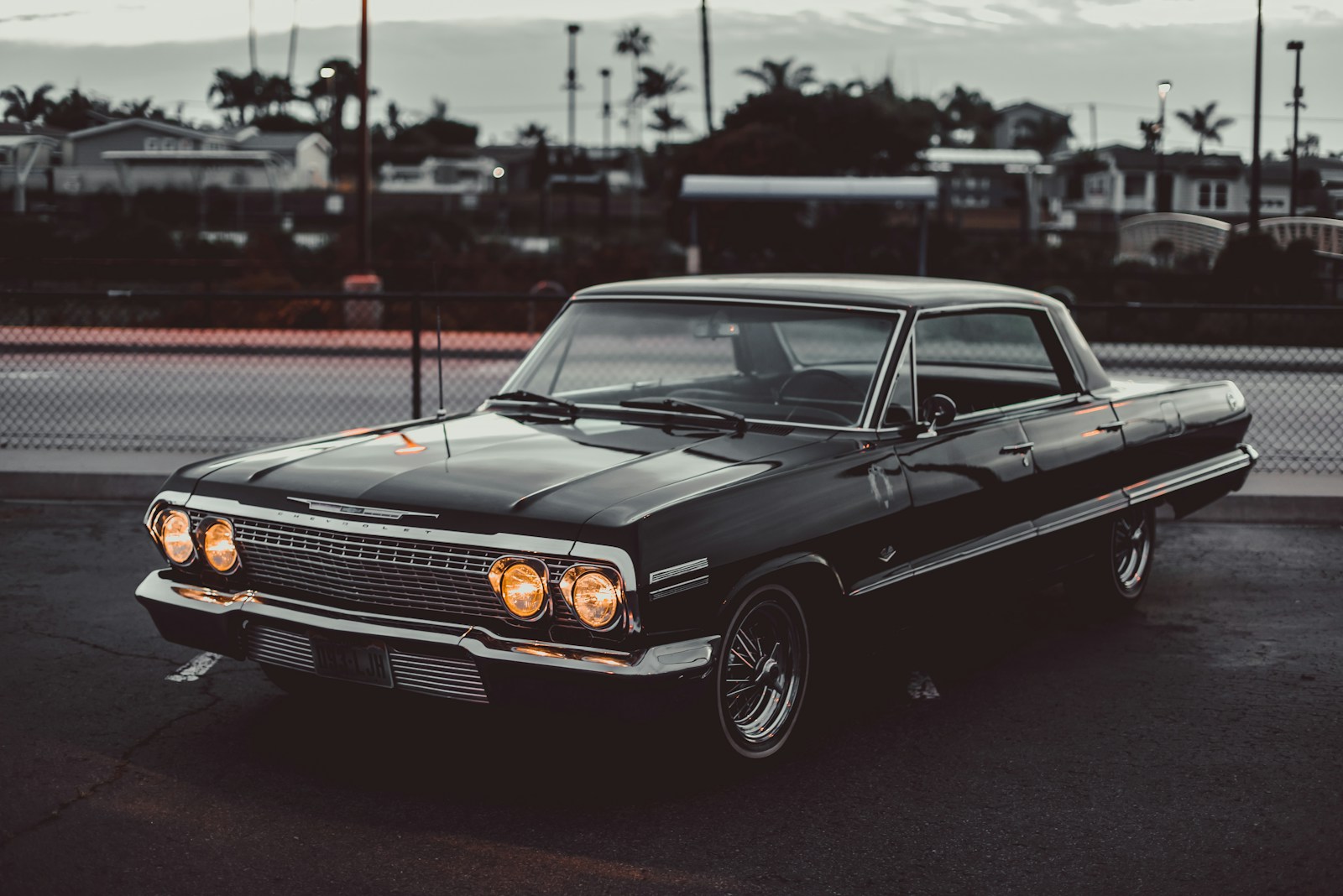

Shelby American runs its own registry today largely because of one blunt fact the company states about its own cars: Shelby Mustangs and Cobras are, in the company’s words, “the most cloned and copied vehicles in the world.” That’s not a competitor’s marketing claim or an internet rumor — it’s the reason the marque’s own maker built a verification system in the first place. A clone, in muscle car terms, isn’t necessarily a scam built to deceive — plenty of recreations are sold honestly as tribute cars. The danger is the ones that aren’t: ordinary six-cylinder or small-block cars re-tagged, re-documented and re-sold as numbers-matching originals, carrying a title, a build sheet and a VIN plate that all look completely legitimate to a buyer who doesn’t know exactly what to check.
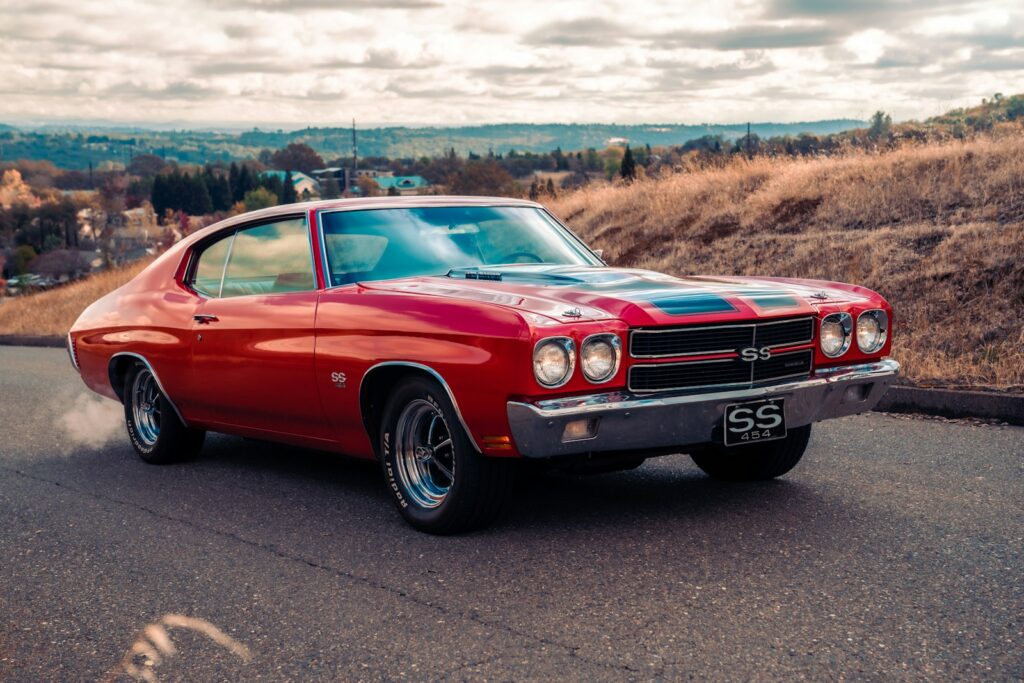
Why a Genuine-Looking VIN Tag Isn’t Proof of Anything
The core problem is that the visible identifiers on a 50-plus-year-old car — the VIN tag riveted to the dash or cowl, the trim tag, the fender tag — are exactly the parts a determined forger can replace. The National Insurance Crime Bureau describes the broader version of this fraud plainly: criminals “copy a VIN from a legally owned vehicle” and then “create a counterfeit VIN tag and corresponding fake ownership documents” to give a car a false identity, and the bureau’s own consumer guidance on buying a used vehicle recommends checking the VIN against state motor vehicle records, running a full title history and having a vehicle physically inspected before money changes hands — because a tag and a title can both be reproduced convincingly enough to fool a casual look. On a modern car, that fraud gets caught fast because dozens of hidden VINs are stamped into the frame, engine and body panels at the factory. On a 1969 muscle car, there are far fewer redundant stamps to cross-check, and the paperwork trail is decades older and easier to muddy.
What Real Authentication Actually Checks
The organizations that verify these cars for a living don’t rely on the tag alone — they cross-reference it against factory paperwork the forger typically can’t replicate convincingly. The National Corvette Restorers Society runs a Historic Document Service that compares an owner’s factory paperwork against GM’s original shipping reports covering 1962-1975 production, checking details like dealer code, dealer zone number and production date against GM’s own records rather than trusting the paperwork in isolation. That’s the general model most credible verification follows: a broadcast sheet, tank sticker or build sheet is only meaningful once it’s checked against an independent factory record, not just examined for how convincing it looks on its own. Mecum and Barrett-Jackson both build detailed documentation and provenance histories into their own auction listings for significant muscle cars, reflecting the same underlying principle — a car’s paper trail has to trace back to a verifiable factory or dealer record, not just exist.
The Motive Is Simple Arithmetic
The incentive to clone a car is almost entirely about the gap between what an ordinary example is worth and what a documented, numbers-matching original commands. A base-trim six-cylinder Mustang and a genuine Boss 429 built on the same body shell can be worth six figures apart once options, engine codes and factory documentation are factored in — and that gap is exactly what a convincing clone is built to erase. The fraud doesn’t require a criminal mastermind, either. A correct-looking reproduction VIN tag, a plausibly aged trim tag and a fabricated broadcast sheet can be enough to get past a buyer who’s excited about the car and trusts that professional-looking paperwork equals a professional job of documentation, rather than a professional job of forgery.
The Only Real Defense Is Independent Verification
None of this means every project car with incomplete paperwork is a fraud, or that every clean-looking documentation package is fake — most aren’t. But the lesson from how registries, auction houses and insurance-fraud investigators actually approach this problem is consistent: verification has to run through a source the seller doesn’t control. That means matching a VIN against the marque registry’s own database, cross-checking a build sheet against factory shipping records rather than just admiring its aged paper stock, and treating a title history search as a baseline step rather than an optional one. A car can have a flawless-looking folder of documents and still not be what the folder says it is, and on a market where six-figure price gaps hinge on a handful of stamped characters, that distinction is the entire transaction.