
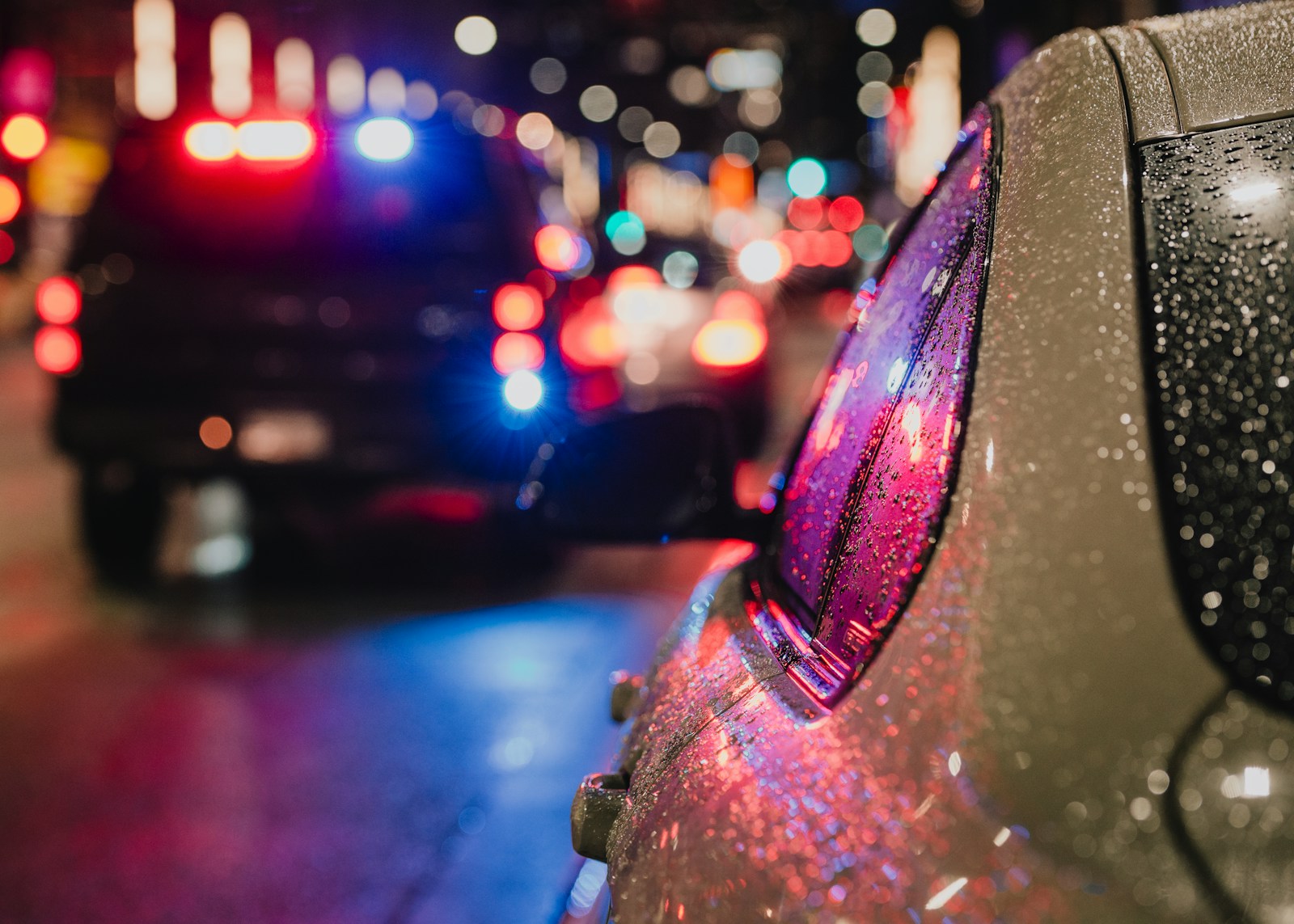

An officer leans in during a routine traffic stop and asks, “Mind if I take a look inside the car?” A lot of drivers answer that question wrong, not because they don’t know their rights, but because the moment feels like it doesn’t leave room to say no. Legal guides are clear that in most states, it does. Absent probable cause or evidence already sitting in plain view, a driver can decline a search request outright, and that refusal is not itself evidence of anything.

Consent Is a Choice, Not a Formality
The FindLaw guide to vehicle search and seizure puts it plainly: “motorists have the right to say no, and you can challenge an illegal search later in court. If you consent to a search, any seized contraband may be used against you.” That second sentence is the part drivers underestimate. Consent isn’t a courtesy that keeps things friendly. It’s a legal waiver, and once given, it’s difficult to walk back if the search turns up something the officer wasn’t otherwise entitled to find.
This is settled law, not a gray area some defense attorney invented. The U.S. Supreme Court addressed the voluntariness question directly in Schneckloth v. Bustamonte, 412 U.S. 218 (1973), establishing that consent to a search must be given freely, without the officer needing to prove the driver understood they had a right to refuse in the first place. That’s precisely why legal guides recommend stating a refusal out loud and clearly rather than assuming silence gets the message across on its own.
When Officers Don’t Need Your Permission at All
Refusing consent doesn’t end the conversation, because officers have two other paths into a vehicle that don’t require asking. The first is probable cause. The ACLU’s Search and Seizure Field Guide defines it as a situation where “there is a substantial objective basis for believing that more likely than not an offense has been committed,” adding that the standard “does not require certainty, but does require more than a reasonable suspicion,” judged on “the totality of the circumstances” rather than any single isolated fact. Smelling marijuana through an open window, for instance, has historically been treated by courts as enough on its own in many jurisdictions.
The second path is the plain view exception, and it’s narrower than a lot of drivers assume. FindLaw describes it as covering evidence an officer can see, hear, or in some documented cases have a trained drug-detection dog signal, “without a search warrant if it’s in plain view.” The ACLU’s guide frames the underlying test as being “lawfully inside, looking inside,” meaning the officer has to already be somewhere they’re legally allowed to be, glancing through a window they can already see through, not moving objects around or opening compartments to go looking. Critically, whatever the officer spots has to be “immediately apparent as evidence or contraband,” in the guide’s words, meaning obviously identifiable without picking it up or manipulating it first.
Where the Exception Actually Ends
Plain view doesn’t turn into a blank check once it’s triggered, either. FindLaw’s guide notes that discovering a weapon in plain sight might justify checking elsewhere a weapon could reasonably be hidden, but “it’s unreasonable to search someone’s wallet because it could not reasonably contain a weapon.” The scope of what an officer can then search is tied to what would plausibly be connected to whatever they spotted, not a general license to go through the entire car.
The Practical Takeaway
None of this requires memorizing case law on the shoulder of the highway. It comes down to a short mental checklist: you can decline a consent search, that refusal isn’t grounds for anything on its own, and it doesn’t matter whether the officer seems annoyed by the answer. Where it stops mattering is if probable cause already exists independent of anything you say, or if evidence is already sitting in open view before the question ever comes up. Knowing which category a given stop falls into is exactly the distinction these guides exist to make clear, well before anyone is standing on the side of the road trying to work it out in real time.
It’s also worth remembering that a polite refusal is not the same thing as being uncooperative. Handing over a license and registration while declining a search request are two entirely separate actions under the law, and doing the first does not obligate a driver to agree to the second. Drivers who understand that distinction going in tend to navigate a stop with far less anxiety than those trying to sort it out on the spot, under pressure, with an officer waiting on an answer.