
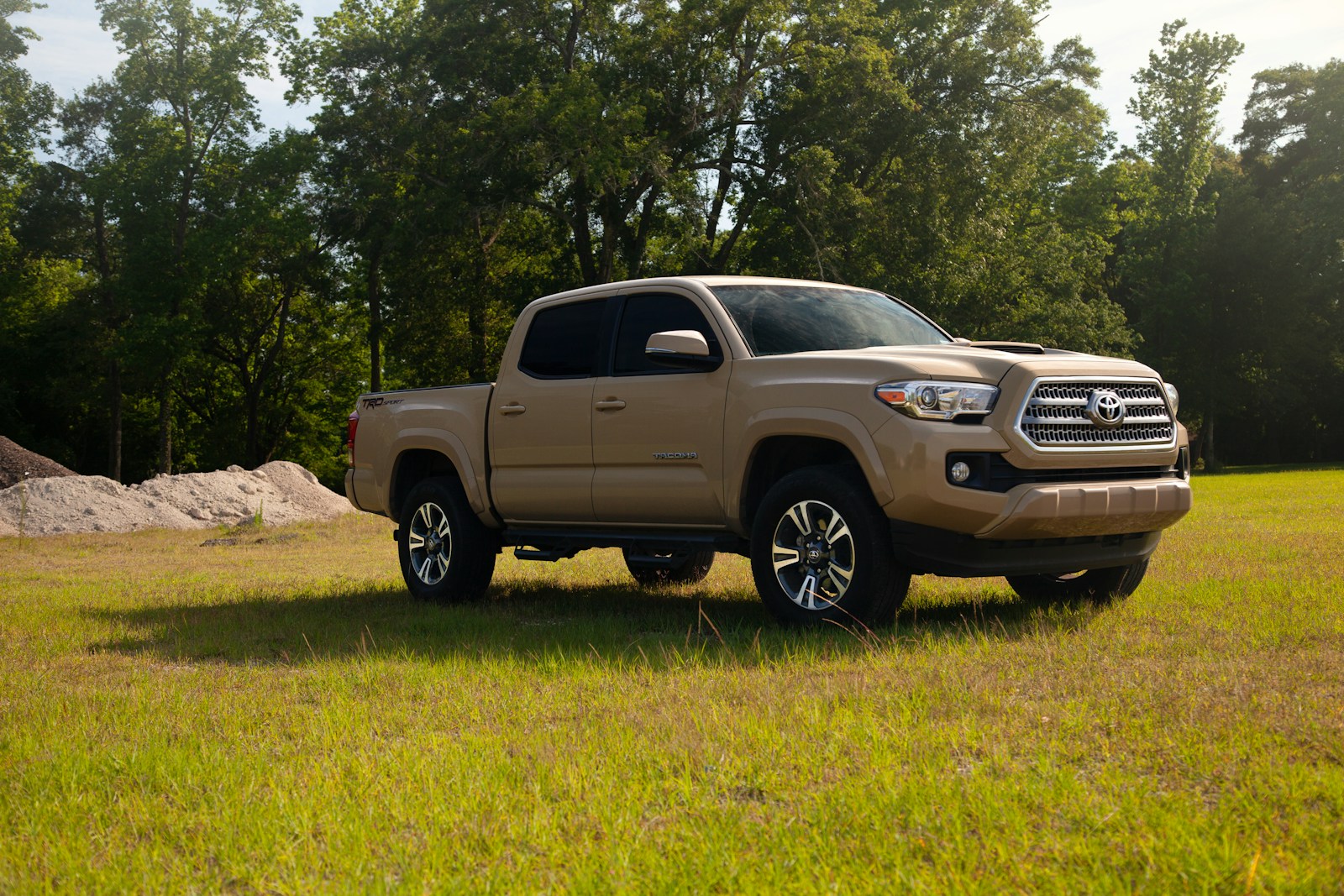

They bought the pickup the way a lot of people buy used vehicles now: a few too-many photos, a few too-confident messages, and a handshake in a parking lot that felt friendly enough. The listing called it “cosmetic damage,” the seller said it was “just some hail stuff,” and the price landed right in that sweet spot where you feel like you’re beating the market without doing anything reckless.
The couple wasn’t clueless. They’d owned beaters before, had crawled under cars with flashlights, knew what rust smells like and how fresh undercoating can be a cover-up. This truck, at first glance, didn’t trip the usual alarms—starts clean, shifts fine, frame looks straight, no weird puddles under it. The roof looked a little wavy, sure, but the seller had a story ready: “previous owner parked it outside, got hit by a storm, insurance didn’t total it.”
They drove it home feeling that familiar mix of relief and adrenaline, already making plans for new tires and a detail. The truck smelled like someone else’s cologne and fast food, but it was theirs now. It wasn’t until later—after the excitement wore off and the sun hit it at a different angle—that the roof started to look less like hail and more like something that had been… handled.
The “hail dents” that didn’t dent right
At first it was small stuff. In the driveway, one of them noticed the roof reflected the clouds in a way that felt off, like the metal couldn’t decide if it was flat or rounded. They ran a hand over it and felt ripples that weren’t the soft dimples hail usually leaves—these were long, shallow waves, almost like the roof skin had been dragged.
The other one pulled up the original listing photos and zoomed in. Same weirdness, but the lighting had been forgiving and the photos were taken from angles that made the roof look mostly normal. In person, though, the roof didn’t have that random “peppered” look; it looked worked, like a bad drywall patch, only in metal.
They did what people do when they don’t want to admit they might’ve been played: they tried to rationalize it. Maybe it was a cheap paintless dent repair job. Maybe it was aftermarket paint. Maybe the roof on this model just does that. But the more they stared, the more it felt like the kind of problem you only see after you’ve stopped wanting to see it.
Pulling the headliner down
The turning point wasn’t dramatic—it was practical. They wanted to run a dash cam wire cleanly, tuck it behind trim, make it look factory. That meant loosening some interior pieces and, inevitably, tugging the headliner down just enough to route the cable without having it dangle like a lanyard.
Headliners are supposed to be boring: foam, fabric, clips, maybe some dust. Instead, when they eased it down, the underside of the roof looked like a crime scene for sheet metal. There were scrape marks, circular scuffs, and patches of overspray that shouldn’t exist inside a roof cavity, like someone had painted with the interior still assembled and just hoped nobody would ever look up there.
Then they saw it—creases that weren’t creases. The metal had that stretched, stressed look, the kind you get when something bends too far and gets pulled back into shape. It didn’t resemble “hail damage” anymore; it resembled impact damage that had been negotiated with tools.
What the roof really looked like
Once they knew what they were looking at, it was hard to stop finding it. The roof hadn’t just been dented; it had been rolled—like the truck had been on its lid or slid along something that crushed the top down. The metal was flattened in broad areas, not punched in small spots, and the contours that should’ve been smooth had been forced into place with brute effort.
There were telltale hammer marks too, that faint pebbled texture you get when someone uses a body hammer to persuade a panel back into shape but doesn’t quite finish the job. Not the clean, consistent surface you’d see after proper work and filler—more like someone did the minimum to make it “look fine” from five feet away. And because the inside had paint dust, it suggested the roof had been sprayed from the outside more than once, with little regard for what that looked like on the inside.
The couple started picking at details the way you do when you’re mad and trying to build a case. Why did the weatherstripping look newer around the top edge? Why did the trim clips seem replaced? Why did the overhead console sit a hair crooked, like it had been removed and reinstalled by someone in a hurry? It all started stacking into a story they hadn’t been told.
They weren’t just thinking about aesthetics now. A rolled roof isn’t a fender. It’s structure. It’s the part you want untouched if you ever need it to keep you alive.
That first message to the seller
They didn’t call immediately. They gathered photos, took video, poked a borescope up into places that looked suspicious, and compared what they saw to pictures of untouched roofs online. When they finally reached out, it wasn’t with caps lock and threats. It was one of those tense, controlled messages that tries to sound calm while clearly saying, “We know.”
The seller’s response was quick, and it had that slippery vibe people recognize instantly. First, it was confusion: “What are you talking about?” Then it was distance: “I bought it like that.” Then it was minimization: “It’s just cosmetic, you saw it.” The couple kept circling back to the same point—this wasn’t “hail,” and it wasn’t disclosed as a rollover repair, hammered flat, repainted twice.
That’s when the seller leaned hard on the idea that used sales are used sales. The implication was obvious: you had your chance to inspect it, you signed, you drove away. The couple read it and felt that hot, dumb anger you get when someone is technically correct about the rules of the game while obviously playing it dirty.
Trying to untangle the paper trail
After the initial back-and-forth, they did what anyone would do when the argument stops being emotional and starts being logistical. They pulled a vehicle history report, hoping it would show a rollover or salvage event and make the whole thing simple. The report was… unhelpful in the way that feels personal, showing some generic “damage reported” note without specifics, like a shrug in spreadsheet form.
They called a body shop and asked for an opinion, and the reaction wasn’t comforting. The tech didn’t need much time: the roof skin had been worked, the inner bracing looked stressed, and the paint situation suggested a quick turnaround job. Not “this will explode tomorrow,” but also not “don’t worry about it.” More like, “If you’re asking, you already know it’s wrong.”
Then came the real gut punch: if the roof had been compromised, what else had been bent and straightened? A truck can drive straight with a lot of sins hidden in its geometry. They started hearing every little creak, feeling every bump in the road as if it was a confession.
The couple considered their options—small claims, reporting the listing, pressing for a refund—but each path had friction. It’s hard to prove what the seller knew. It’s hard to prove when the damage happened. And it’s hard to un-buy something you’ve already titled, insured, and parked in your driveway.
So they were left in that ugly middle space: not powerless, but not guaranteed anything either. The truck ran. The truck looked fine from most angles. But they’d seen the underside of the lie, and it changed how the whole vehicle felt—less like a bargain and more like an object someone had been trying to move along before anyone asked the wrong questions.
The last detail that stuck with them wasn’t even the hammer marks. It was the overspray inside the roof cavity, like the truck had been painted over twice and nobody cared enough to mask the interior because, in their plan, nobody would ever pull the headliner down. Now the couple couldn’t stop thinking about that assumption—about how the entire deal depended on them staying on the surface, admiring the shine, never tugging at the fabric that hid the truth.
More from Steel Horse Rides: