
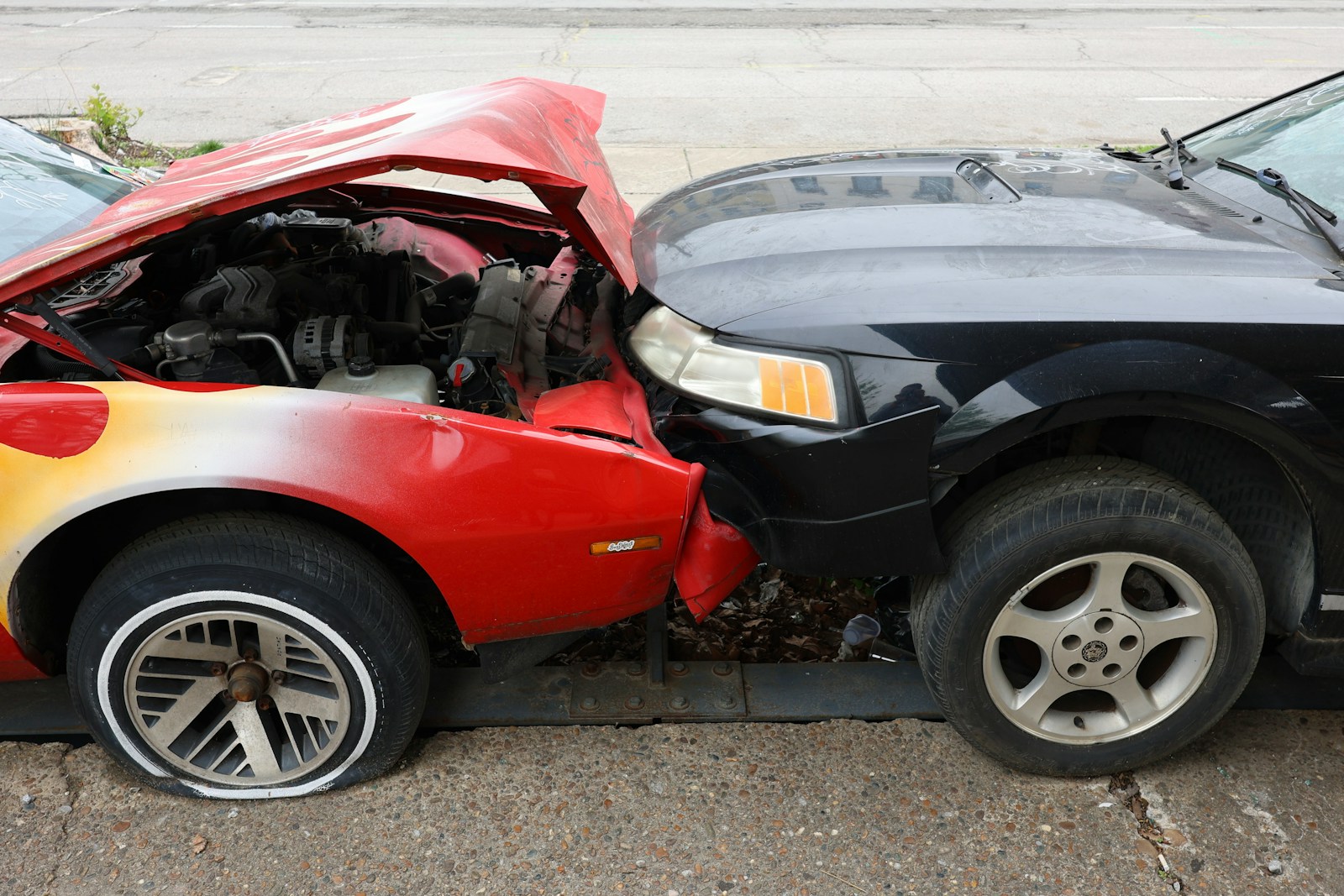

Insurers paid out somewhere between $500,000 and $1.5 million to a single Connecticut fraud ring over roughly 50 staged single-car crashes, at a rate of $10,000 to $30,000 per collision, before federal investigators pieced together the pattern and shut it down, according to the FBI’s account of the case. That ring is one node in a much larger problem: the National Insurance Crime Bureau estimates staged and inflated collision fraud adds roughly $300 a year to the average policyholder’s premiums nationwide. These rings aren’t random opportunists. They run on repeatable scripts, and the same evidence that makes them profitable is what eventually gets them caught.

How a Staged Crash Ring Actually Runs
The Connecticut case followed a simple, repeatable pattern between 2011 and 2014: participants deliberately crashed vehicles on remote roads late at night, then swapped drivers before calling police, so the person who reported the crash wasn’t the one actually behind the wheel. They leaned on seasonal cover stories, swerving to avoid a deer in the fall, losing control on ice in the winter, and specifically targeted older European vehicles because they still carried strong resale value on paper, which maximized the payout on each claim. A larger scheme investigated in New Orleans worked differently but just as deliberately: so-called “slammers” packed vehicles with passengers and intentionally collided with tractor-trailers, while “spotters” pulled the slammers away from the scene before police arrived and “runners” funneled the injured occupants to specific personal injury attorneys, according to NICB’s investigation summary. Those attorneys reportedly paid runners $1,000 per passenger for crashes involving big rigs and $500 for smaller collisions, and some defendants were allegedly steered toward unnecessary neck surgery just to inflate the eventual settlement.
The Physical Evidence That Gives Them Away
Staged crashes tend to look convincing at first glance and fall apart under scrutiny, because real accidents are messy in ways that scripted ones aren’t. Investigators flagged the Connecticut ring after noticing repeated late-night, single-vehicle crashes clustered on the same remote stretches of road with no independent witnesses, a pattern that’s statistically unusual for genuine accidents, which tend to be more randomly distributed. Crash physics matter here too: damage patterns from a low-speed, deliberately staged impact often don’t match the kind of forceful, chaotic contact that produces the injuries being claimed. Investigators cross-referenced police reports, insurance claim histories, and phone records used to file the fraudulent claims, and it was recorded interstate calls that ultimately gave prosecutors solid wire fraud evidence against the ring’s leader.
Repeat Names Are the Pattern That Breaks the Case
The single clearest tell across both cases wasn’t a dramatic piece of forensic evidence. It was repetition. NICB’s own fraud detection process works largely by feeding claims data through pattern-recognition tools that flag the same drivers, passengers, witnesses, or attorneys showing up across multiple unrelated collisions. A driver who’s been in three “accidents” in eighteen months, each time with a different set of passengers claiming soft-tissue injuries, is a red flag that data can surface long before any human investigator sees a police report. In the New Orleans case, what started the entire investigation was simply a routine fender bender on the Danziger Bridge that produced an unusually large volume of injury claims and attorney involvement all at once, which drew enough suspicion that local attorneys tipped off the FBI’s New Orleans field office. From there, NICB supplied targeted intelligence packages on specific individuals of interest, which is standard practice once a pattern like that surfaces.
What Happened to the People Behind It
The consequences in both cases were substantial. In Connecticut, ringleader Mackenzy Noze was sentenced to four years in prison after pleading guilty to conspiracy to commit mail and wire fraud, with six co-defendants also charged and convicted. In New Orleans, the investigation ultimately produced 33 defendants, including one personal injury attorney, with 20 entering guilty pleas after a December 2019 indictment. Neither case resolved quickly. Both took years of accumulated claims data and old-fashioned investigative legwork before prosecutors had enough to move.
The Common Thread
What ties these cases together isn’t just the criminal charges at the end. It’s that staged fraud is fundamentally a numbers game that eventually loses to a bigger numbers game. A single staged crash can look plausible in isolation, injuries claimed, a police report filed, a claim paid. It’s only when insurers and investigators zoom out across thousands of claims that the same names, the same remote roads, and the same clusters of passengers start repeating in ways that no honest run of bad luck ever would.