
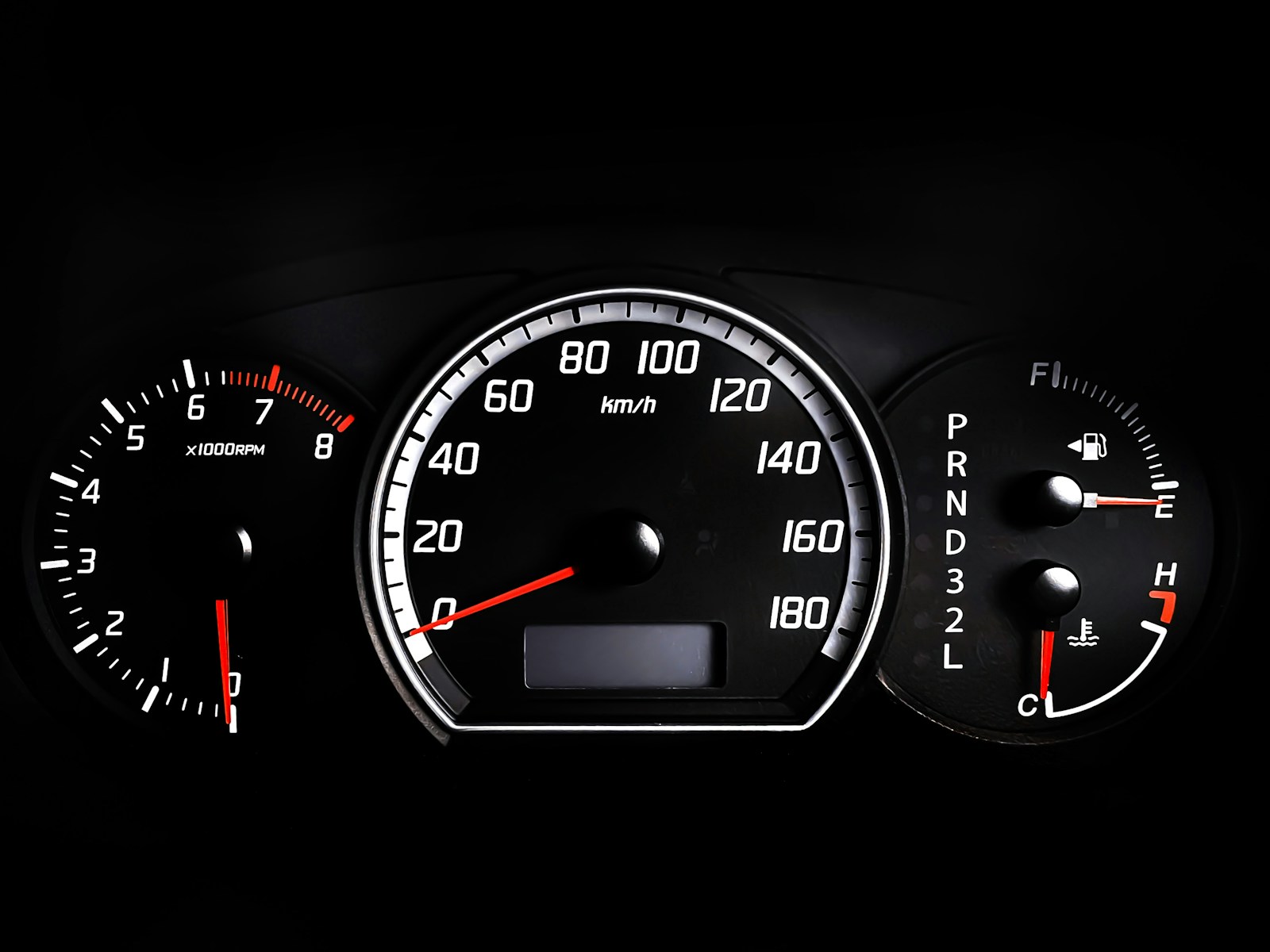

Odometer fraud costs American consumers more than $1 billion every year, and more than 450,000 vehicles are sold annually with a falsified mileage reading, according to the National Highway Traffic Safety Administration’s own consumer advisory. The tools needed to roll one back can cost less than the price of an oil change. The people who get caught tend to have done it hundreds of times before federal investigators ever catch up with them.
How Cheap and Easy the Fraud Actually Is
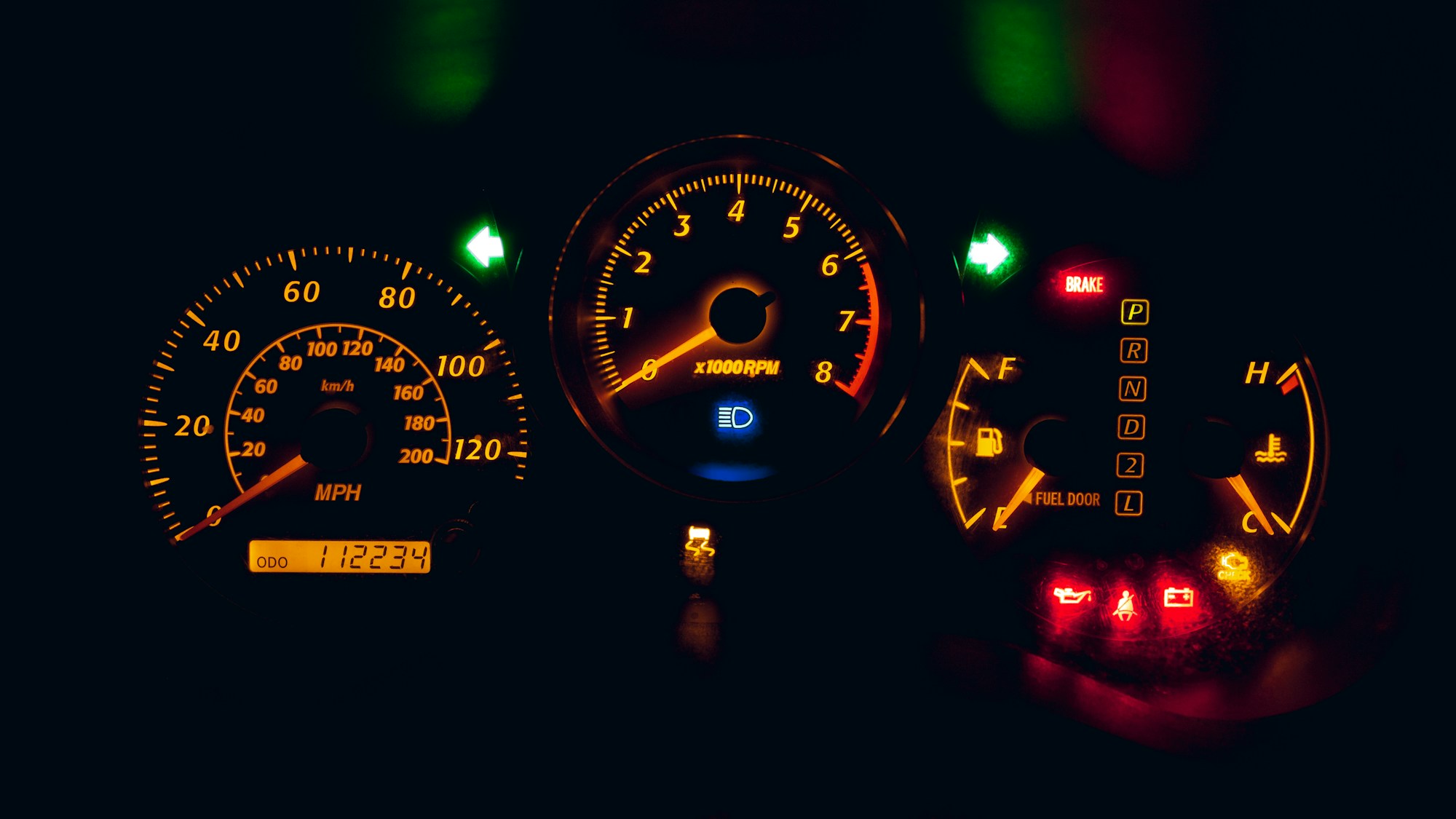
Modern digital odometers store mileage in the vehicle’s electronic control module rather than on a spinning mechanical wheel, and devices that plug into a car’s diagnostic port can rewrite that stored figure in minutes. Because the same physical hardware works across huge numbers of vehicle models, a single inexpensive tool can be reused on car after car, which is exactly what turns odometer fraud from a one-off con into a repeatable business model for the people running it.
A federal case out of the Northern District of Ohio shows how that business model scales. Judith Ann Aloe and Kyle Novitsky bought high-mileage vehicles from a national car rental company, rolled back the odometers, altered the titles to match the fake low mileage, and resold roughly 250 vehicles at wholesale auctions before being caught, according to the Department of Justice’s own press release on the sentencing. A federal court ordered $1.482 million in restitution and sentenced Aloe to 50 months in prison and Novitsky to 60 months.
Why This Keeps Happening Nationwide
NHTSA’s advisory pointed to a Mississippi case involving the same pattern, high-mileage vehicles bought cheap, rolled back, and resold with falsified titles, which is a strong signal this is not an isolated regional problem but a repeatable scheme running in multiple states at once. Odometer fraud is a federal crime under the Truth in Mileage Act, prosecuted by the Department of Justice with support from NHTSA’s Office of Odometer Fraud Investigation, and the agency maintains a list of state-level enforcement contacts for consumers whose local case does not rise to federal charges, available through NHTSA’s own state enforcement agency directory.
The financial incentive is straightforward. Every 10,000 miles shaved off an odometer reading can move a used vehicle into a higher pricing tier, and a rolled-back fleet or rental vehicle can be resold as a low-mileage bargain to a buyer who has no easy way to check the claim without knowing where to look.
How to Actually Check Before You Buy
The federal government runs a free lookup tool built specifically for this problem. The National Motor Vehicle Title Information System, run through the Department of Justice’s Bureau of Justice Assistance, pulls title and odometer history reported by state DMVs, insurers, and salvage yards, letting a buyer cross-check a seller’s mileage claim against what was actually reported the last time the car changed hands or was titled, according to the official NMVTIS consumer information page.
NHTSA also recommends comparing the number on the odometer against the mileage listed on the title itself, checking maintenance stickers and service records for mileage notations that should climb steadily over time, and physically inspecting tire wear and pedal condition, since a car showing 20,000 miles should still have its original tires and unworn pedal rubber. A mismatch between any of these is reason enough to walk away or demand an explanation before money changes hands.
What to Do If You Were Already Sold One
Consumers who suspect they bought a car with a rolled-back odometer can report it directly to NHTSA at 888-327-4236, or to their state’s odometer fraud enforcement agency listed on NHTSA’s site. The Truth in Mileage Act also allows victims to pursue civil damages against a seller who knowingly misrepresented mileage, separate from any criminal case regulators might build.
Rental and fleet vehicles are disproportionately targeted precisely because they rack up mileage fast and get resold in bulk through wholesale auctions where individual buyers rarely dig into title history the way a private retail buyer might, which is part of why the Ohio case and the Mississippi case NHTSA cited both followed the same rental-fleet playbook.
The fraud persists because the tools got cheaper while the paper trail stayed mostly invisible to ordinary buyers, and the only real fix on the buyer’s end is treating a suspiciously low mileage figure as a question to verify rather than a number to trust.