
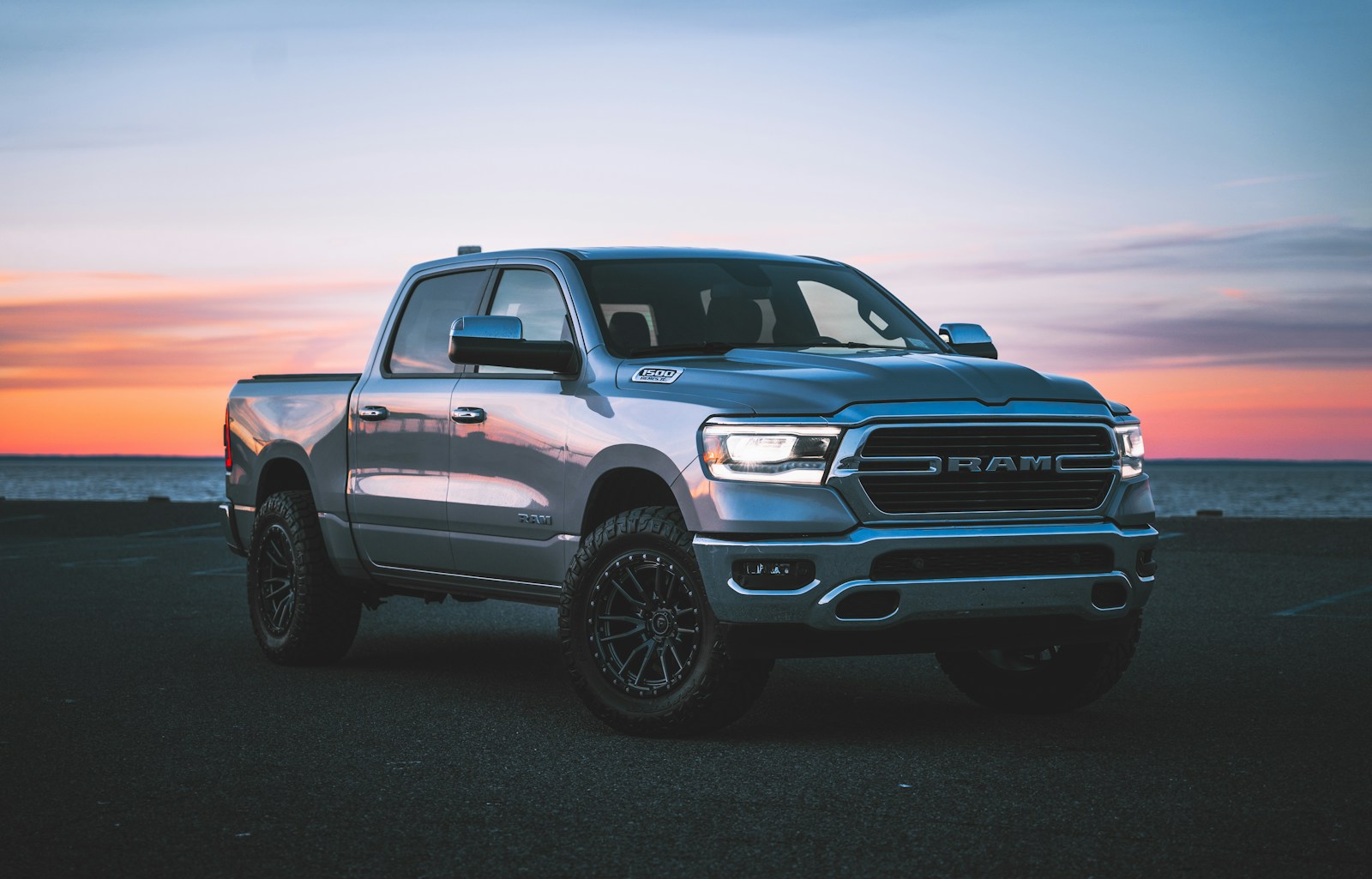

He dropped the truck off like you do when you’re trying to be responsible about a big project: clean title, clear goals, written estimate, and a little excitement about how it’ll feel when it’s done. It was a newer full-size pickup, nothing exotic, but he’d saved up for the kind of build you don’t do twice—nice wheels, a proper suspension setup, and an interior refresh that would make it feel like a different vehicle. The shop wasn’t some backyard operation either; they had a polished Instagram, glossy photos, and a waiting list they bragged about.
The first few weeks were normal. A couple “we’re ordering parts” updates, a few “we’ll get you on the lift next week,” and the usual slow drip of progress you expect when you’re not their only customer. But then the timeline started stretching in that specific way that doesn’t feel like delays so much as evaporation—every promised date dissolving into another vague promise, every call ending with a new reason it couldn’t happen yet.
By month six, the truck had become a running joke in his own life. Friends would ask how the build was going and he’d do that forced laugh and say, “Parts are still delayed,” like he was repeating someone else’s script. And that was the weirdest part: the shop’s excuse never evolved. It was always the same few words, delivered with the same calm confidence, like they’d found a phrase that shut people down and they weren’t about to stop using it.
The long wait that never added up
Every time he asked for specifics, the answers came back soft and slippery. The suspension was “on backorder,” the wheels were “stuck at the warehouse,” the upholstery shop was “behind schedule,” the tech who knew the job best was “out sick.” If he asked for tracking numbers or invoices, he’d get told they’d “send it later” or that the vendor “doesn’t give that out.”
He tried to stay reasonable because he’s not new to the car world. He knows supply chain delays happen, and he knows custom shops juggle multiple builds and priorities. But the shop’s social media didn’t match the story they were feeding him; they kept posting fresh builds, fresh wheels, fresh suspension kits, and smiling customers picking up trucks that looked a lot like the one he’d been waiting on.
It started affecting real life stuff. He’d arranged rides, borrowed a family member’s car, and paid for insurance on something he couldn’t drive. When he pushed harder, the shop acted like he was being impatient, like he didn’t understand how this worked, like he should be grateful they were “taking care of him.”
At some point, he stopped asking “when” and started asking “where.” Where is the truck physically, right now? Is it inside? Is it on the lot? Can he see it? The answers got defensive fast: “We’re not set up for random visits,” “It’s in the back,” “We’re busy, come by next week.” That’s when it stopped feeling like a delay and started feeling like a stall.
Proof-of-life requests and the shop’s weird energy
Around the one-year mark, he asked for photos, simple as that. Just send a few pictures showing the truck in the shop, on the lift, anything that proved it was still there and not being cannibalized for parts. They sent a couple dim, low-angle shots that showed almost nothing—no clear view of the wheels, no obvious timestamp, no wide shot that could identify the vehicle.
He noticed other little things too. When he brought up the wheels specifically, the shop stopped using brand names and started saying “your set” or “the wheels.” When he asked whether the suspension kit had arrived, they switched from “it’s delayed” to “we’re waiting on a component,” like they were narrowing the excuse to something that couldn’t be easily verified. Every interaction felt like they were buying time rather than doing work.
He started collecting receipts the way people do when they don’t want to admit they’re about to have a problem. Emails, call logs, screenshots of messages, the original estimate, the deposits. Nothing dramatic—just quiet documentation because the vibe was off and he didn’t want to rely on memory if it went sideways.
The shop’s tone changed whenever he mentioned picking up the truck unfinished. Suddenly it wasn’t “no problem, we’ll figure something out.” It was “you’ll lose your place,” “it’s already disassembled,” “we’ve done a lot of labor you haven’t seen.” They kept framing it like leaving would be the worst possible decision, and he’d be throwing away everything that had supposedly been happening behind the scenes.
The influencer build that felt a little too familiar
Month eighteen is where it snaps from frustrating to surreal. He’s doomscrolling through his usual car content when a sponsored build pops up: a popular influencer doing a “dream truck makeover” with—guess who—the same custom shop. The video is polished, friendly, and packed with those upbeat shots of parts laid out on clean floors, techs working in montage, and the influencer grinning next to a truck getting transformed.
At first it’s just background noise. But then he pauses on a shot of the wheels. They’re not just similar; they’re the same spec he ordered, down to a distinctive finish that he’d agonized over because it cost extra and took longer. He rewinds, zooms, and the uneasy feeling hits hard: the minor scuff on one rim lip is in the exact same spot as the one he noticed when he unboxed them.
He keeps watching, and it gets worse. The suspension components—same brand, same color accents, same configuration he’d discussed with the shop. The interior shots are what really land the punch: the influencer’s truck suddenly has a seat pattern and stitching style that looks eerily like the mockup the shop had sent him months earlier. Not “inspired by.” Not “close.” Familiar enough that his stomach drops.
It’s the kind of recognition that feels insane even while it’s happening. Like, surely a lot of people buy the same wheels, right? Surely this is confirmation bias. But then he spots a detail that isn’t a coincidence: a small custom emblem he’d had made for the headrests, something specific enough that you wouldn’t casually duplicate it. There it is on camera, stitched into somebody else’s “sponsored build.”
Confrontation, denials, and a sudden shift in urgency
He contacts the shop immediately, not with a vague accusation, but with time-stamped screenshots and specific questions. He asks how an influencer’s truck has parts that look identical to the parts he paid for while he’s been told for a year and a half that those parts are delayed. He asks them to explain the headrest emblem. He asks for a full inventory list of everything that’s supposed to be on his truck versus in their possession.
The response comes back fast, and that alone is telling. For months they’d been slow, casual, hard to pin down. Now they’re suddenly engaged, almost too engaged, and the message is full of that “we’re offended you’d suggest this” energy. They say it’s a “coincidence,” they say they do “similar builds all the time,” and they claim the emblem is a “standard option” they offer—despite him having messages that show it was his custom request.
He tells them he’s coming in person. They try to schedule him for later in the week, which only makes him more suspicious. He shows up anyway, and the shop’s demeanor changes the second he’s physically there: polite on the surface, tense underneath, like everyone suddenly has somewhere else to be.
They bring him to the back, and it’s a messy scene—parts stacked, vehicles half-covered, a general chaos that doesn’t match the tidy online image. His truck is there, but it doesn’t look like something that’s been worked on steadily for eighteen months. It looks like something that’s been sitting, moved around, maybe picked over. The really expensive stuff he’d been waiting on isn’t visible anywhere, and the explanations start piling up before he’s even done asking questions.
Paper trails, sponsored pressure, and the uncomfortable math of missing parts
Once he sees the truck, the conflict shifts from “are you lying?” to “prove you didn’t take my stuff.” The shop says the wheels are “stored offsite,” the suspension is “with the vendor,” the interior pieces are “at upholstery,” and none of these claims come with documentation. When he asks for a simple list—what’s been installed, what’s been ordered, what’s been paid for—their answers stay verbal, slippery, and weirdly circular.
Meanwhile, the influencer content is still up, still monetized, still proudly tagged with the shop’s name. The shop can deny things to one customer in a back room, but they can’t un-post the footage where “his” parts appear in clean, well-lit shots. He points this out, and the shop does that thing businesses do when they realize the story is about to leave the room: they start offering solutions that weren’t available yesterday.
Suddenly there’s talk of “making it right.” Suddenly there are promises to “source a new set” of wheels quickly, to “upgrade” him, to “get him prioritized.” The new urgency doesn’t feel like customer service; it feels like containment. And it comes with strings—sign this, agree to that, don’t post anything, let us handle it internally.
He doesn’t want a hush-hush deal; he wants his truck back, his parts back, and a clean explanation of where eighteen months went. But now the situation is tangled: the truck is partially disassembled, the shop claims they’ve invested labor, and the exact location of his original parts is suspiciously untraceable. Every path forward looks like it ends in a fight over documentation they should’ve had from day one.
The ugliest part is how normal it all sounds when the shop talks. They don’t scream. They don’t panic. They just keep repeating the idea that delays happen, that customers misunderstand, that “people online” make assumptions. And yet, the influencer build video exists like a blinking neon sign in the background, showing a truck getting the exact treatment he’d been paying for while his own sat in limbo.
By the time he leaves the shop that day, nothing is resolved—just clarified in the worst way. He has more screenshots, more questions, and a stronger sense that he’s not dealing with incompetence so much as a business model that works until someone notices the math. The truck is still there, the parts are still “somewhere,” and the shop is suddenly very motivated to keep the whole thing from becoming a public comparison between one customer’s eighteen-month delay and an influencer’s perfectly timed sponsored transformation.
More from Steel Horse Rides: