
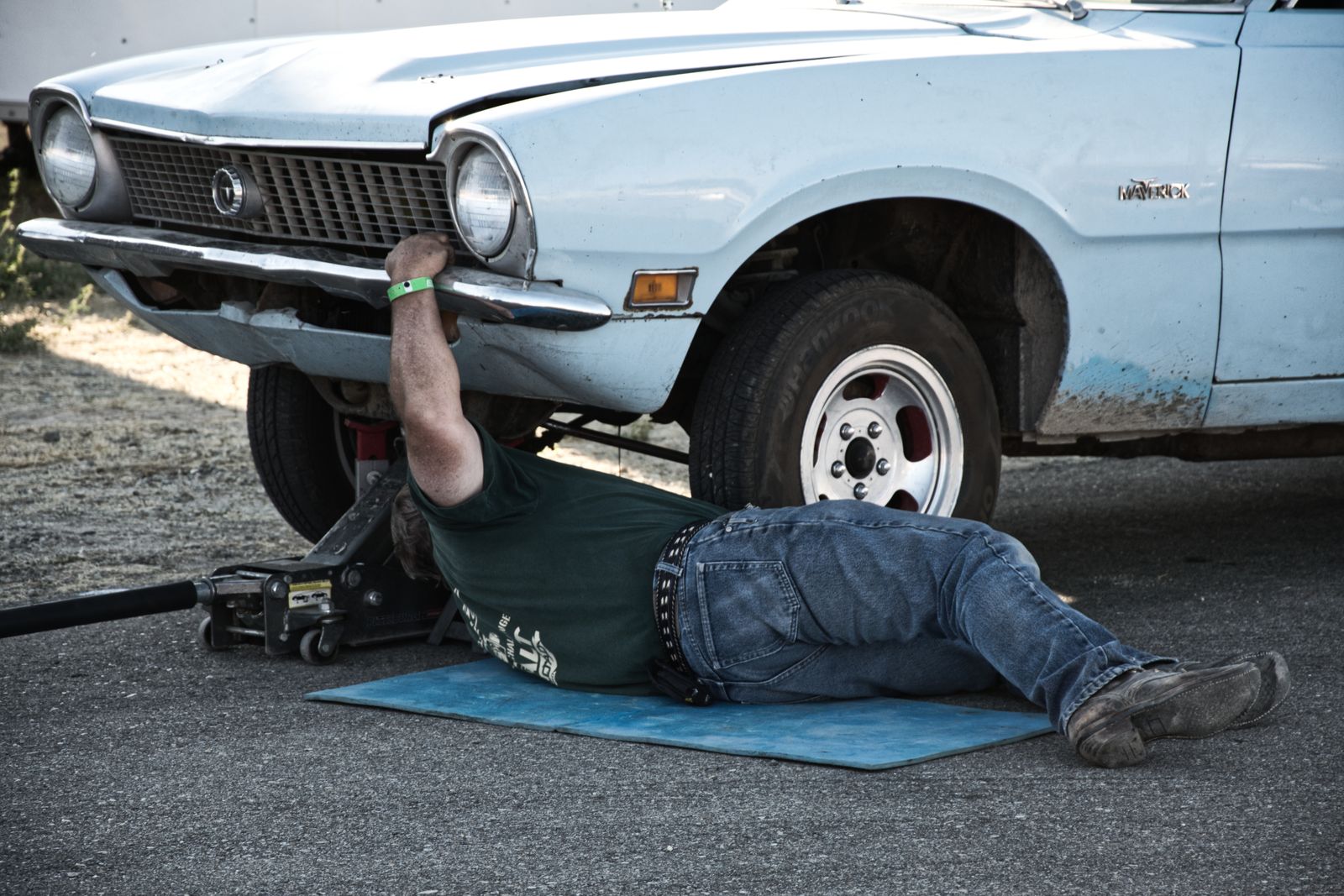

It started the way a lot of shop drama starts: a guy rolls into a small, no-frills mechanic’s bay with a problem he swears is “probably just a quick thing.” The car was an older sedan with a sagging headliner and that faint, permanent smell of fast food and air freshener fighting each other. The mechanic—mid-40s, grease under the nails, calm voice—did the usual walk-around and asked the usual questions.
The customer, a wiry dude who kept checking his phone like it was giving him bad news, said the car had been “acting weird” for a week. Battery light flickering, random stalling at stop signs, a burnt-plastic smell once or twice, but “it went away.” He also casually mentioned he’d replaced the stereo himself last month, like that was just trivia and definitely not the first thing anyone should worry about.
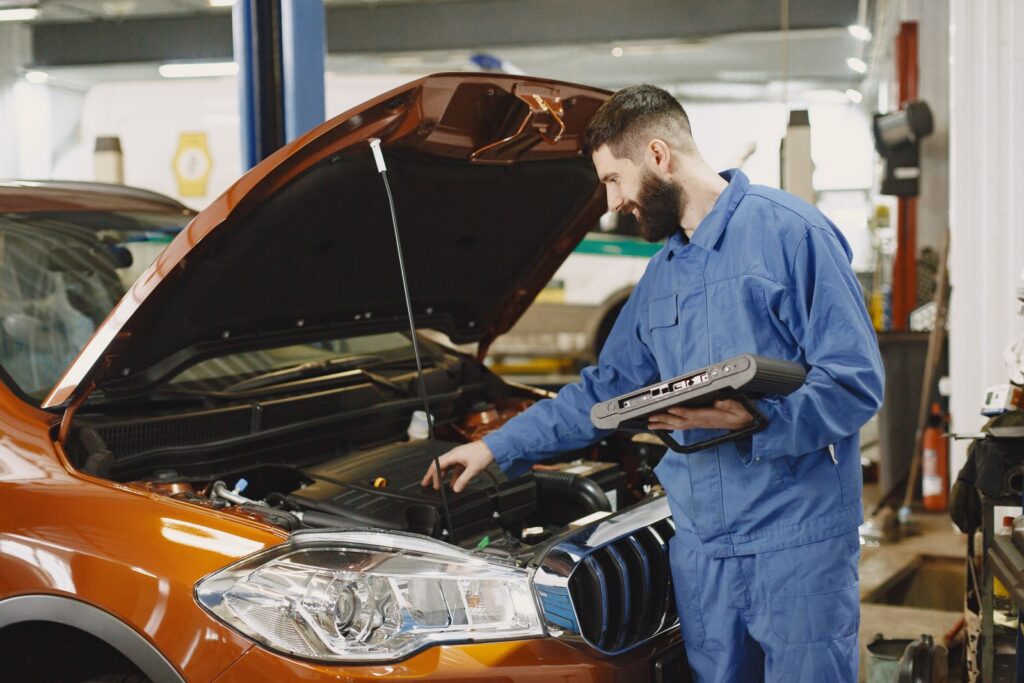
The mechanic popped the hood, then pulled the car into the bay, and within minutes his face did that thing mechanics do when they’ve found something annoying but not yet catastrophic. The charging system was unstable and there were signs of heat around the alternator wiring. He told the customer he wanted to trace the wiring, check the alternator output, and test for parasitic draw—because something was chewing through power and also getting hot, which is not a fun combination.
The estimate that hit like an insult
After an hour of poking around, the mechanic came back with an estimate that wasn’t insane but also wasn’t “quick thing” money. Alternator was on its way out, the main charge cable looked improperly spliced, and the fuse box had a couple of melted spots near an accessory circuit. He recommended a new alternator, a properly sized charge cable, cleaning up the wiring, and replacing a damaged connector before it got worse.
The customer didn’t just flinch—he got personally offended. He kept repeating the price out loud, like saying it enough times would make it ridiculous on its own. “For an alternator? My cousin can do that for like a hundred bucks,” he said, leaning on the counter as if the mechanic was trying to sell him beachfront property in Ohio.
The mechanic stayed polite and explained that the alternator wasn’t the whole story; the wiring was showing heat damage, and the cheap splice job was part of why it was failing. He pointed to photos on his phone—close-ups of the crispy insulation and the half-melted connector. The customer waved it off with the confidence of someone who’d watched a few videos and decided electricity is basically optional.
Then came the accusation, delivered loud enough for the waiting area to hear. The customer said the mechanic was “padding” the job and trying to “take advantage” because he didn’t know cars. It was the kind of statement that isn’t just disagreement—it’s a direct hit to someone’s reputation, the thing a small shop survives on.
He left in a huff, clutching his pride
The mechanic could’ve argued, but he didn’t. He printed the estimate, wrote “declined repairs” on the work order, and had the customer sign it. He also, very deliberately, told him that the burning smell and the melted wiring were safety concerns, and that he shouldn’t ignore them.
The customer smirked like he’d won something. He took the keys, strutted out, and fired the car up with that “see, it’s fine” attitude. The engine turned over, the battery light blinked once, and the customer peeled out of the lot as if escape speed would protect him from physics.
Inside the shop, the mechanic and his coworker exchanged that look—the one that says, “We’re going to see this car again,” without actually saying it. They went back to work, because there’s always another brake job, another oil leak, another customer who wants a miracle for the price of a pizza.
But the mechanic still kept the photos and the paperwork, because when someone accuses you of ripping them off, you learn to document everything. He didn’t do it out of spite, exactly. It was more like muscle memory from years of dealing with people who confuse “expensive” with “dishonest.”
The cousin’s “cheap fix” and the smell that came back
Over the next couple days, the customer told anyone who’d listen that the shop was a scam. He posted in a couple local groups, vague-posting about “mechanics trying to rob people,” and casually tossed around the shop’s name without directly saying it. The kind of thing that’s meant to sting, but just slippery enough to avoid being pinned down.
Meanwhile, the cousin got his shot at hero status. According to what the customer later admitted—through clenched teeth—the cousin swapped in a bargain alternator and “fixed” the wiring with whatever he had on hand. Which, in this case, was a length of too-thin cable, cheap crimp connectors, and a bunch of electrical tape wrapped like a mummy.
For about a day, the car seemed okay. The battery light stayed off, and the customer took that as proof he’d been right all along. He drove around feeling triumphant, probably telling the story with extra flair: how he “caught” the mechanic, how his cousin “knows cars,” how shops are all crooks.
Then the smell came back, stronger. Not the faint whiff from before—this time it was sharp, hot, unmistakably electrical. The customer ignored it for another commute, because ignoring warnings is basically part of the same personality package as accusing people of overcharging.
When the car stopped being a metaphor and started burning
The fire didn’t happen dramatically in a movie way. It was more humiliating than cinematic: a slow, ugly failure that turned into panic. He was stopped at a light when he noticed smoke curling out from under the hood, thin at first, then thick enough to make the car behind him honk.
He popped the hood like that was going to help, and that’s when he saw actual flames licking near the battery area. Not a huge blaze yet, but enough to make his brain finally accept that this wasn’t “acting weird” anymore. Someone yelled, someone else called 911, and he did that frantic half-jog away from the car while still looking back like he couldn’t believe it was happening to him specifically.
A bystander with a little extinguisher managed to knock it down before it turned into a full-on carbecue. Still, the damage was real: melted wiring, scorched plastic, the corner of the fuse box warped, and the underside of the hood stained with smoke. The car didn’t just need an alternator now—it needed a careful electrical rebuild and possibly an insurance conversation.
The towing company dragged it away, and the customer’s first instinct wasn’t to call his cousin. It wasn’t to apologize to the people stuck in traffic behind him, either. It was to get the car back to the same mechanic he’d accused of trying to rob him.
He came back, but the shop didn’t forget
The tow truck pulled into the lot like a returning villain in a sequel. The mechanic saw it and didn’t look surprised, just tired. The customer climbed out of the cab with a face that tried to hold onto indignation, but kept slipping into embarrassment.
He started talking fast, like speed could rewrite the last week. “So, uh, it caught on fire,” he said, then immediately tried to frame it like a freak accident. He didn’t mention the cousin’s tape-and-prayer wiring job until the mechanic asked, very plainly, what had been changed since the car was last there.
The mechanic didn’t raise his voice. He just pulled up the old estimate and the photos, then walked the customer to the car and pointed at the burned section near the charge wire. The new cable was visibly wrong—thin, badly routed, and cooked through where it had rubbed and heated.
The customer’s posture got smaller with every second. He tried to pivot into bargaining, asking if the mechanic could “help him out” since he’d already spent money on the cousin’s parts. The mechanic told him he could fix it, but now it would be more expensive, because it wasn’t preventative anymore—it was repair after a fire.
That’s when the customer got angry again, not because the price was unfair, but because the reality was unfair to him. He muttered about being “taken advantage of,” but the words didn’t have the same bite in the presence of a charred fuse box. The mechanic offered two options: a full diagnosis and a proper repair plan, or the customer could tow it somewhere else.
The customer hovered in that uncomfortable limbo where pride and desperation argue in real time. He didn’t want to admit the mechanic had been right, but he also didn’t want to keep shopping for someone willing to touch a recently burned electrical system without charging for the risk. In the end, he agreed to the diagnostic fee—quietly, like signing a confession without reading it out loud.
The car sat in the lot after hours, hood slightly popped, smelling like old smoke and melted plastic. The mechanic locked up and left it there with a tag on the mirror, the same way he tagged every other job, except this one had history. The unresolved part wasn’t whether the car could be fixed—most things can, for enough money—it was whether the customer could handle what it meant to come crawling back to the person he’d tried to paint as a thief, now holding a bill that was bigger specifically because he’d insisted on learning the hard way.
More from Steel Horse Rides: