

He came in hot, already mid-rant before the service writer could even get his name into the computer. A newer half-ton pickup—clean paint, big wheels, a hitch that looked like it actually got used—rolled into the bay lot with a transmission that wouldn’t do much of anything besides whine and refuse to go into gear.
The customer’s story was simple and rehearsed: the shop “touched” his truck a couple weeks ago for a routine service, and now the transmission was dead. He wasn’t asking what happened so much as informing them what they were going to do about it. And he said it loud, like volume could turn a warranty into a confession.
Inside, the vibe shifted fast. Techs peeked around toolboxes. The service manager did that tight smile people do when they know they’re about to lose an hour of their day to someone else’s anger. The customer planted himself at the counter and started stacking details in a way that made it clear he’d been practicing: “Never towed a thing. Never abused it. It was perfect before you guys.”
The “You Broke It” Routine
The work order from the prior visit didn’t help his case the way he thought it would. It was a basic service: fluid check, inspection, maybe a small leak addressed—nothing deep inside the transmission, nothing that required opening the unit. The manager pointed that out calmly, and the guy immediately pivoted to the classic angle: “Well you must’ve drained something wrong,” or “You must’ve put the wrong fluid in,” or “Ever since you guys had it, it’s been shifting funny.”
He also had a timeline that kept changing by a day or two, which is the kind of detail that makes people behind the counter exchange glances. First it was “the next morning,” then it was “a few days later,” then it was “I took it on a short trip and it started acting up.” The manager kept asking the same boring questions—any lights on the dash, any warning messages, any recent towing—and the guy kept answering like it was an insult.
When they asked if he’d towed anything, he almost laughed. “This truck barely works,” he said, gesturing at it like it was a delicate commuter car. “I wouldn’t tow with it. I’ve got a buddy with a diesel if I need to move anything.” It was too quick, too dismissive, like he’d decided towing was the word that would get him in trouble and he wanted it out of the room.
The Shop Does the Boring Thing: Diagnosis
The manager didn’t take the bait and didn’t offer anything big on the spot, which annoyed the customer even more. He wanted a promise: a free transmission, a loaner, an apology, something he could walk out with. Instead he got the shop’s version of “we’ll see,” which is just a diagnosis authorization form slid across the counter with a pen.
He hesitated—because a diagnosis means you might learn something you don’t like—but he signed it, still muttering about “making it right” and “getting corporate involved.” The tech pulled it in and started with basic checks: fluid condition, scan tool, codes, line pressure readings. The results weren’t subtle; the transmission was cooked.
Not “slightly worn,” not “needs an adjustment.” Cooked like it had been overheated hard and repeatedly, the kind of damage that makes fluid smell like burnt toast and regret. The shop’s internal chatter shifted from “did we miss something last time?” to “what did this guy do to it?” because the failure pattern didn’t match “someone used the wrong fluid once.” It matched load and heat.
The Boat Question That Wouldn’t Go Away
When the manager called him back in, he didn’t accuse him right away. He just laid it out: failure consistent with overheating, evidence of high load, not something caused by that last service. The customer’s face did that thing where the jaw tightens, like he was deciding whether to threaten a lawsuit or pretend he didn’t hear the words “high load.”
The manager asked again, gently: any towing? Any long grades? Any heavy trailers? The guy dug in harder. “No. None. I don’t tow,” he said, and then added, “And even if I did, that’s what a truck is for.” It was defensive in a way that didn’t fit the story he’d been selling two minutes earlier.
That’s when the tech—older, grease under the nails, not interested in drama—mentioned the hitch wear and the brake controller mount. Not an accusation, just an observation: the truck looked like it towed. The customer snapped that the brake controller was “from the previous owner” and the hitch marks were “from a bike rack,” and now he was talking faster than anyone had asked him to.
The Dashcam Footage Enters the Chat
Here’s the part that makes the whole thing feel like a scene written by someone who hates liars: the customer had a dashcam. Not just a little clip-on either—one of those setups that records forward and cabin audio and saves incidents automatically. He brought it up himself, like it was his ace card.
He said he could “prove” the truck was fine after the shop visit, because the camera caught it driving normally. He wanted them to watch it, convinced it would show a clean timeline and maybe catch some noise that would magically implicate the shop. The manager, trying to keep everything calm and documented, agreed to look if the customer could provide the footage.
So the guy, still angry but now weirdly excited, pulled up videos on his phone in the lobby. He scrolled with that aggressive thumb flick people do when they’re certain they’re about to win. The manager and the tech stood there, not crowding him, just watching the screen as it bounced between clips labeled with dates.
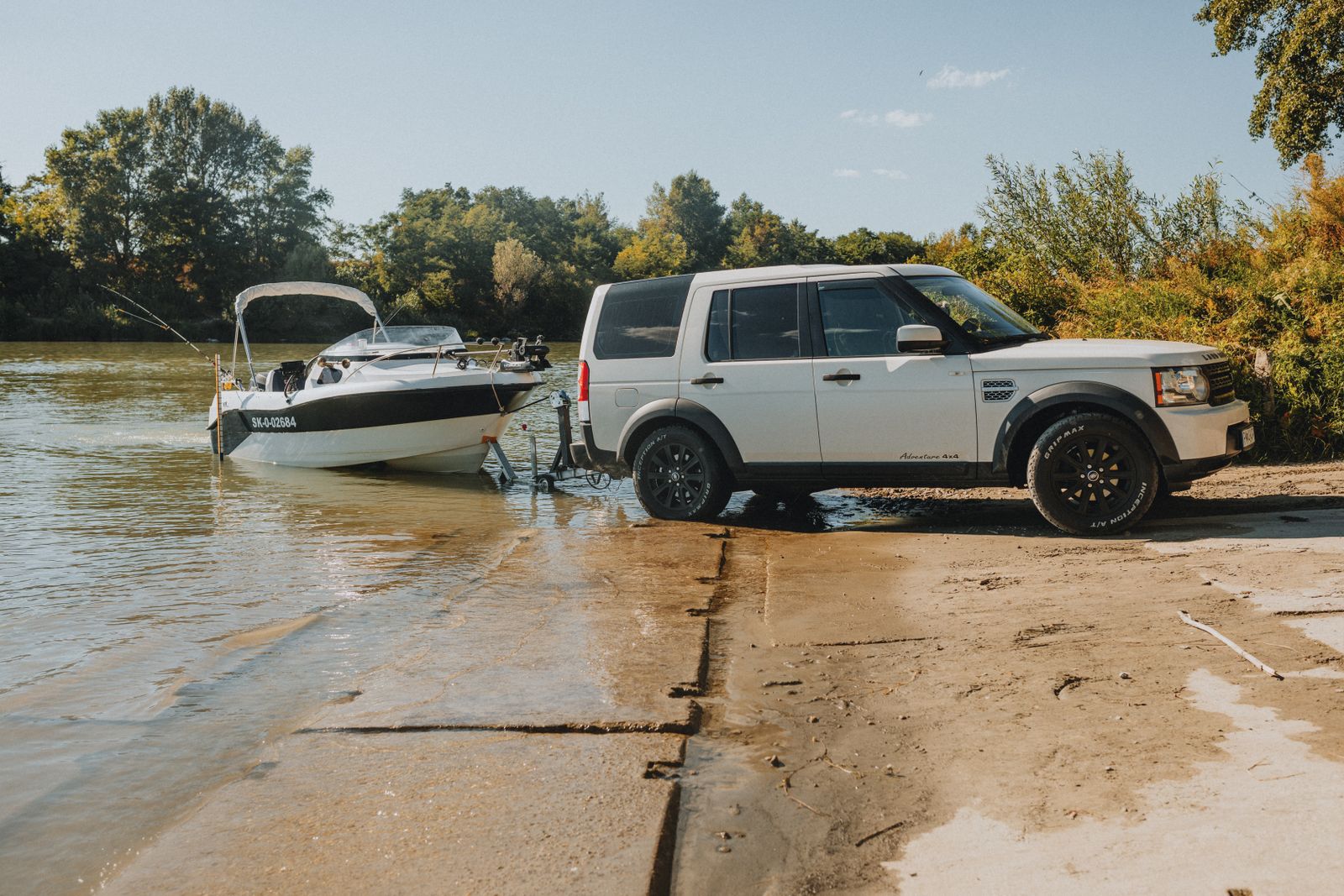
In the middle of his “proof,” he tapped the wrong folder. Up popped a video of his truck backing down a boat ramp, trailer attached, the rear suspension squatting like it was taking a knee. You could see the boat behind him—massive, glossy, the kind of thing that doesn’t come with a “light tow” story attached.
The customer froze for half a second, then tried to swipe away like he could outrun what everyone had already seen. But the clip had already done its work: the dashcam timestamp was within the same window he’d been insisting he “never towed.” Worse, he kept scrolling to recover, and another clip appeared from a different day: same ramp, same boat, same truck, and this time you could hear him talking inside the cabin about “how she’s pulling today.”
The tech didn’t even have to be dramatic about it. He just said, quietly, “That’s a pretty big boat for a half-ton.” The manager asked what the boat weighed, because now they were in the territory of facts, not vibes. The customer tried to shrug it off—“It’s not that heavy, it’s mostly fiberglass”—but he was sweating and talking in circles.
They didn’t need an exact number to recognize what was happening. The truck’s tow rating, on the door sticker and in the manual, was one thing. The boat in the footage, judging by length and trailer type alone, was something else entirely, and he’d hauled it twice.
From Outrage to Damage Control
The emotional shift was immediate and kind of ugly. A minute ago he was accusing them of sabotage; now he was trying to negotiate reality. He started saying things like, “Okay, but that shouldn’t kill it,” and “It’s not like I towed it across the country,” and “You said it was a truck.”
The manager stayed professional, but the temperature in the room dropped. He explained what overheating does to transmissions, what heavy towing without the right equipment and cooling can do, and why the failure pattern didn’t match shop error. And he said the part the customer didn’t want to hear: the shop wasn’t buying a transmission because the customer overloaded it and then lied about it.
The customer tried to pivot back into intimidation. He talked about lawyers, online reviews, calling corporate, “reporting” them. The manager nodded, offered printed diagnostic results, and asked if the customer wanted an estimate for a rebuild or replacement. No shouting match, no theatrics—just a counteroffer of paperwork and pricing, which is basically kryptonite to someone trying to win a fight with vibes.
What made it sting wasn’t just that he got caught. It was that he got caught by his own attempt to build a case. He’d walked in expecting to steamroll a busy shop into a free major repair, and instead he handed them a time-stamped video diary of the exact behavior he’d denied to their faces.
He left without authorizing the repair, but he also didn’t leave with the righteous victory speech he came in rehearsing. He left with a dead truck in the lot, a phone full of footage he suddenly didn’t want anyone to see, and a shop that now had one more story they’d tell quietly to each other whenever a customer swears, a little too loudly, “I never tow anything.”
More from Steel Horse Rides: