

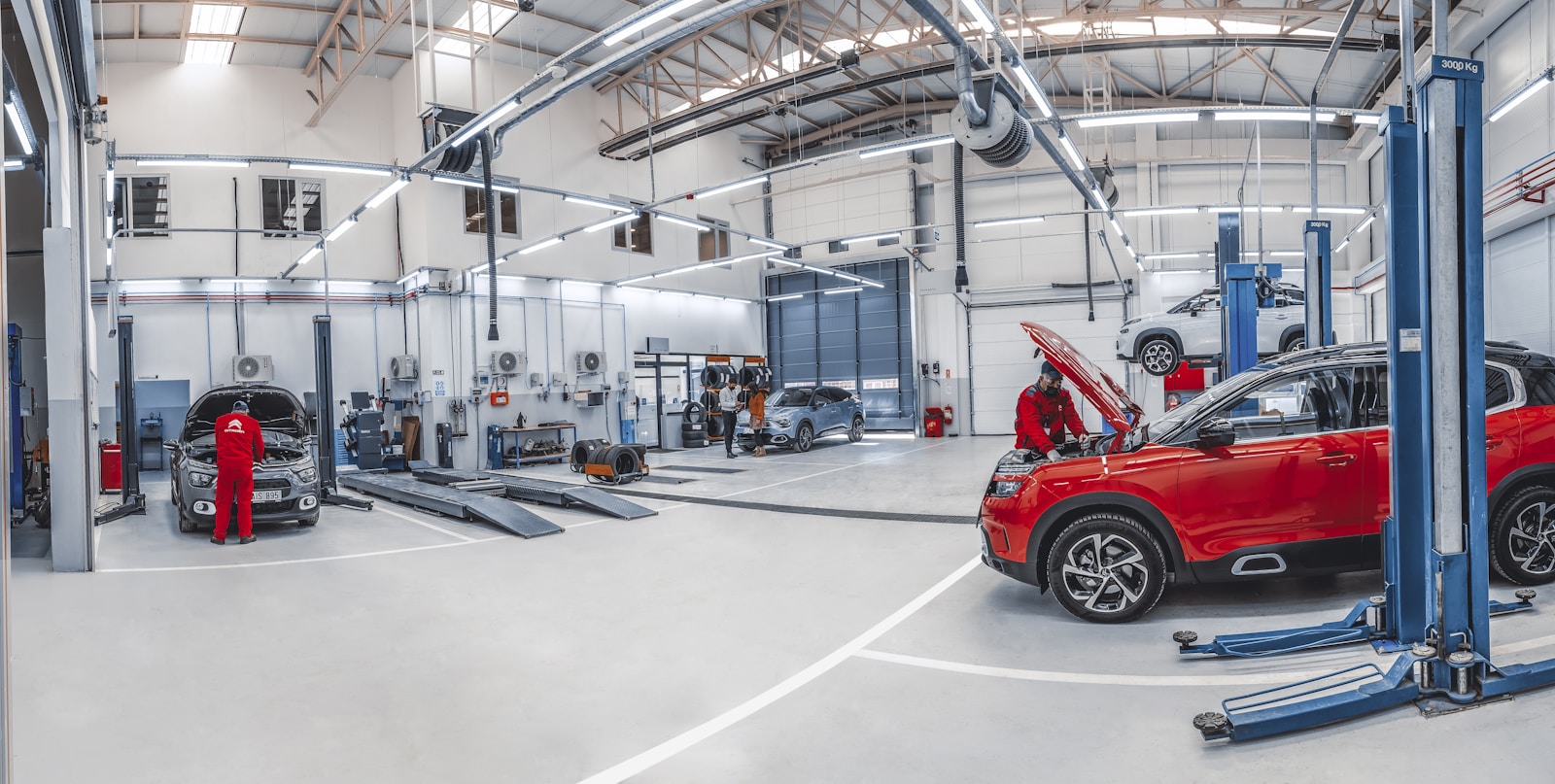
It started the way these things always start: a car that was still well within its warranty window making a sound it absolutely shouldn’t be making. The owner—Kyle, early 30s, not a “car guy” but not clueless either—noticed a faint grinding when he turned left, then a warning light that flickered for two days and settled in like it owned the dashboard. He did the responsible thing and booked a service appointment at the dealership where he’d bought the car.
The dealership’s service lane had the usual morning chaos: a row of vehicles nose-to-tail, a couple of bored advisors with clipboards, and customers trying to explain noises using hand gestures. Kyle handed over his keys, pointed out the warning light, and mentioned he’d had regular oil changes and the standard maintenance done. The advisor gave him that quick, practiced smile—the one that says, “Yep, totally normal, we’ve got you”—and typed his info into the computer without looking up much.
Kyle expected the usual warranty routine: they’d diagnose it, confirm it was a covered part, maybe keep it a day or two, and send him off with a rental if they were feeling generous. Instead, about three hours later, his phone rang and the tone on the other end had changed completely. The same advisor who’d been breezy at check-in now sounded like he was reading from a script written by someone’s lawyer.
The Call That Didn’t Sound Like Warranty Work
The advisor didn’t start with the diagnosis. He started with a pause, then, “So… we found something we need to discuss before we can proceed.” Kyle assumed it was the usual upsell—cabin air filter, tire rotation, “your brakes are at 4mm and you’re basically in danger” stuff. But the advisor went straight to the point: the dealership believed the warranty was void.
Kyle actually laughed at first, because who says that like it’s a casual update? Void is a word you hear in contracts and horror movies, not on a Tuesday afternoon while you’re waiting for your car to get a covered repair. He asked what they were talking about, and the advisor said it was due to “maintenance noncompliance” and “evidence of improper servicing.”
Then the advisor hit him with the kicker: they wouldn’t even finish the warranty diagnosis until Kyle agreed to pay out of pocket for teardown time. Not the repair—just the privilege of letting them look deeper. Kyle asked what exactly was “noncompliant,” and the advisor said something about an “overdue major service” and “incorrect fluid spec” like he was naming crimes.
The Maintenance Requirement Nobody Mentioned
Kyle’s first thought was that they’d mixed him up with someone else. He’d followed the maintenance schedule in the manual, at least the parts that were spelled out clearly: oil changes, filters, inspections, tire rotations when the reminder popped up. Most of it had been done either at the dealership or at a local shop that specialized in his brand, with receipts in his glove box and a service history in an app.
So he asked for specifics. Which service, exactly, did he miss? What line item? What date? The advisor told him the car required a particular “major service” at a certain mileage and that it hadn’t been recorded in their system. Kyle pointed out the obvious: nobody told him about a “major service” at purchase, nobody mentioned it at previous visits, and the car never threw a maintenance reminder for it.
The advisor’s response was a slippery combination of “It’s in the manual” and “It’s your responsibility.” The problem was, Kyle had looked at the manual. It listed normal stuff, and it definitely didn’t read like “One secret service at 30,000 miles will nuke your warranty if you miss it.” If this was so crucial, why hadn’t the dealership brought it up during earlier oil changes when they were already making lists of recommended work?
When Kyle asked how they decided the warranty was void before even completing diagnosis, the advisor said their tech “noted signs” and that the manufacturer could deny the claim if the maintenance history didn’t line up. It wasn’t a denial from the manufacturer yet, just the dealership preemptively acting like the judge and jury. That’s when Kyle stopped hearing “policy” and started hearing “we’d really prefer you pay for this yourself.”
“We Found Evidence” (But It Wasn’t Evidence)
Once Kyle pushed back, the advisor switched tactics and started describing what the tech allegedly found. Something about the fluid being “dark,” something about “aftermarket” work, something about “non-approved service.” Kyle asked if they had lab results, photos, anything concrete. The advisor said they could show him “the condition of the parts” if he came in.
So Kyle drove to the dealership in a friend’s car and walked into the service bay area with that tight feeling people get when they know they’re about to be talked down to. The advisor met him with printed paperwork and a tablet, and walked him to the car like a tour guide. The tech didn’t come out; it was just the advisor translating whatever was on the work order.
They pointed out a sticker on the windshield from a local shop—one Kyle had used for an oil change when the dealership was booked out for weeks. The advisor tapped the sticker like it was a smoking gun. “This indicates it wasn’t serviced here,” he said, as if Kyle had tried to hide that fact instead of literally leaving the sticker on the glass.
Then they mentioned “incorrect oil.” Kyle asked how they knew it was incorrect, and the answer was basically vibes: the tech believed it didn’t look like the right spec. Kyle pulled up his receipt on his phone from that oil change, showing the exact oil weight and spec listed, and the advisor squinted at it like it was written in another language. Instead of conceding, he pivoted to “Well, without verified maintenance in our system, we can’t guarantee anything.”
The whole interaction had this weird circular logic. They were treating “not in our system” as proof it didn’t happen, and treating “we suspect it didn’t happen” as proof the warranty was void. Kyle asked if they’d contacted the manufacturer to actually confirm a warranty denial. The advisor admitted they hadn’t—yet.
Teardown Fees, Silence, and the Sudden Appearance of a Manager
The dealership’s next move was to get Kyle to sign an authorization form for diagnostic teardown charges. It was framed as a simple step: “We just need approval to continue.” But the number on the form was high enough to make Kyle’s stomach drop, and the language was slippery enough to make him feel like he was about to accidentally agree to paying for everything.
Kyle asked a basic question: if it’s warranty, why is he paying to tear it down? The advisor said if the manufacturer denies it, Kyle is responsible, and they need to protect themselves. Kyle asked again—what’s the actual failure they suspect? The advisor wouldn’t commit to a clear diagnosis, just kept repeating that the tech found “indicators” and that Kyle’s maintenance history was “a problem.”
This is where Kyle finally asked to speak to the service manager. The advisor disappeared into the back for long enough that Kyle started reading the posters on the wall about “customer satisfaction” and “trust.” When the manager came out, he had the calm, slightly impatient look of someone who’s done this conversation a hundred times.
The manager didn’t outright say the warranty was void, not in those exact words. He said the dealership had “concerns” and the manufacturer was “strict,” and they’d seen claims denied for less. He also said something that landed like a quiet threat: if Kyle wanted them to proceed as warranty, they needed complete maintenance records, and if anything was missing, Kyle could “end up owing” the diagnostic time anyway.
Kyle offered to email receipts, service history screenshots, even call the independent shop on speaker. The manager agreed to “review” them but still wanted a signature first. It was the kind of moment where you realize you’re not being asked to cooperate; you’re being asked to give up your leverage.
The Paper Trail Becomes the Whole Battle
Over the next day, Kyle turned into the kind of person who knows exactly where every service receipt is stored. He dug through email confirmations, bank statements, the manufacturer’s app, and a folder of paperwork he’d been shoving into his desk drawer since the day he bought the car. He sent everything to the dealership and asked, in writing, for a written explanation of what maintenance requirement he supposedly missed and where it was disclosed.
The response was slow and strangely vague. The dealership kept saying they needed to “verify” and “wait for guidance,” but they still wouldn’t clearly state whether the manufacturer had denied the claim. Kyle called the manufacturer’s customer care line himself and opened a case, which immediately changed the vibe—because now there was a reference number, a paper trail, and someone outside the dealership who could ask uncomfortable questions.
That didn’t magically fix it, though. The dealership still had the car, and Kyle still needed it. They offered a rental, but only if he signed the teardown authorization, which felt like paying a cover charge to enter a room where you’d definitely be robbed. Kyle kept insisting on one simple thing: diagnose the issue under warranty first, and if they planned to deny it, show him the actual denial and the actual reason.
What made it messier was how personal it started to feel. Every time Kyle asked for something specific, the dealership treated it like he was trying to game the system, like he was some guy who never changed his oil and now wanted a free engine. But Kyle had done the boring responsible stuff—he just hadn’t done it exclusively under their roof, which seemed to be the real sin.
By the end of the week, the dealership’s stance hadn’t fully collapsed, but it had softened around the edges. The manager stopped saying “void” and started saying “pending review.” The advisor stopped pushing the signature as aggressively and started asking for “one more document.” Kyle still didn’t have his car back, and the warranty repair still wasn’t approved, but the whole argument had shifted from “You’re out of luck” to “We might have overplayed our hand, but we’re not ready to admit it.”
The weirdest part was that the original problem—the grinding, the warning light, whatever actual mechanical failure was happening—almost disappeared behind the fight over paperwork and control. Kyle wasn’t battling a broken part anymore; he was battling a process designed to make him tired enough to pay. And with the car sitting behind the service bay doors like a hostage, the tension wasn’t whether the warranty was valid in some abstract sense—it was how long the dealership could stall before Kyle either signed something he shouldn’t, or gave up just to end the feeling of being trapped.