

The whole thing started the way these shop blowups always start: a guy comes in already irritated, holding his phone like it’s evidence, acting like the front desk is a witness stand. He’d dropped his car off for service, taken a loaner, and now he was back with a problem that was somehow everyone else’s fault. His keys were missing, and he was done being “patient” about it.
The service advisor behind the counter did that tight smile people do when they’ve been yelled at enough times to recognize the opening monologue. The customer insisted he’d handed over everything—keys, fob, whatever—when he checked in, and now the shop “lost them.” He said it like he’d already decided the conclusion and was just waiting for someone to admit it.
From the outside, it sounded plausible. Keys vanish all the time. They fall behind desks, get mixed into other customers’ packets, wind up in a technician’s pocket with six other sets. But what made this situation weird from the jump was the detail that kept getting repeated: he wasn’t just missing his keys. He also still had the loaner.
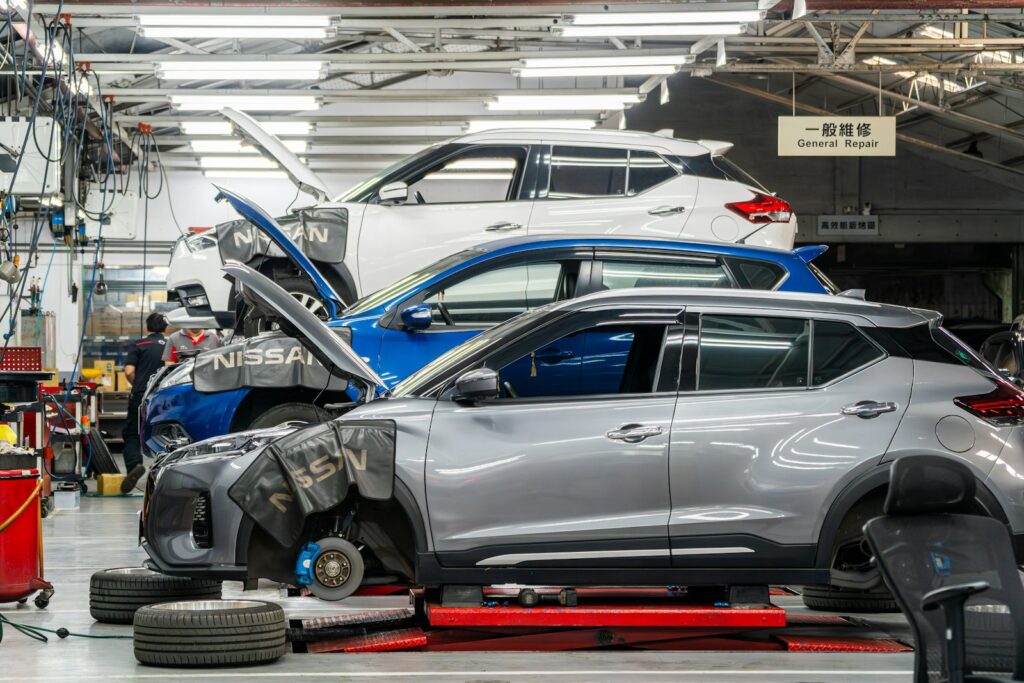
The drop-off that turned into a standoff
When he originally brought the car in, it was a normal handoff. The shop had him sign the work order, documented the mileage, and gave him a loaner so he could get to work while they handled the repair. He drove away, and for the shop, it went into the usual rotating queue of cars and tickets.
The problem didn’t start until later, when he called asking when his car would be ready and, almost as an afterthought, asked where his keys were. The advisor told him the keys were tagged to the vehicle file, same as always. He paused, then said, no, he meant his “other keys,” like his house key, mailbox key, the little ring of stuff people keep on the same fob.
That’s where the tone changed. The advisor asked the standard questions: did you leave them with us, or were they in the vehicle? The customer snapped that he “obviously” gave them to the person at the counter, because he wouldn’t just throw his keys into a random cup holder. The shop checked the file, the key box, and the drop safe anyway.
Nothing. Not in the lockbox, not under the counter, not clipped to any paperwork. The kind of nothing that makes everybody glance around like the keys are about to reveal themselves out of sheer embarrassment.
The search that ate an afternoon
Once a customer says “lost my keys,” shops go into damage-control mode, because that phrase can turn into a liability argument fast. The advisor looped in a manager. Techs got asked if they’d seen an extra key ring in the vehicle, on the seat, in the cupholder, anywhere.
They did the whole routine: checked the floor mats, the center console, the gaps between the seats, the under-seat rails where every lost pen and french fry in history goes to die. They looked in the customer’s car and in the intake area. Someone even checked the trash cans because keys have been accidentally tossed with empty coffee cups before.
The customer kept calling, and every call was sharper than the last. He talked like he was building a case in real time: how long they’d had the vehicle, how many employees had access, how they “always” misplace things. He kept repeating that he needed those keys, like the act of repeating it would materialize them out of the air.
By the end of the day, the shop was in that miserable spot where they didn’t have evidence of wrongdoing, but they also didn’t have the keys. The manager finally said what no one wants to say: “We don’t have them here.” The customer treated that like a confession.
The accusation phase (and the thinly veiled threats)
The next time he came in, he didn’t walk up like a guy with a problem. He walked up like a guy with a verdict. He told the manager they’d need to pay for replacements—locks, fobs, rekeying, the whole pile—because this was “their responsibility.”
When the manager tried to slow it down and get specifics—what exactly was on the ring, when he last remembered using it—the customer got offended, like being asked for details was a stall tactic. He said he didn’t have time for interrogation. He said he was going to “take it further” if the shop didn’t make it right.
There’s a specific kind of tension that happens at a service counter when a customer starts talking like that. The employees get polite in a very cold way. They stop making eye contact for too long. Everybody’s careful with their words, because they can feel a complaint or a legal threat forming, and they don’t want to give it extra oxygen.
The manager asked again, gently, if there was any chance the keys were in the loaner. The customer looked at him like that was the dumbest thing he’d ever heard. He said he’d checked, because he’s not an idiot. He also said, very confidently, that he’d returned the loaner already—except he hadn’t.
The missing loaner becomes its own problem
That part took a second to land. The shop had been so focused on the keys and the customer’s car that they hadn’t pushed the loaner issue yet. But once the manager checked the records, it got awkward fast: the loaner was still out under the customer’s name.
Not “a day or two late.” Three weeks. The shop had been calling and leaving messages, and apparently the customer either ignored them or assumed they weren’t serious. Meanwhile, he was furious about a set of keys being missing while he casually treated a company car like a long-term rental.
When confronted, he had a story for that too. He claimed he was waiting for his car to be finished, so obviously he needed the loaner. The advisor pointed out that the car had been ready, and they’d told him it was ready, multiple times. He shrugged it off like communication doesn’t count unless it’s convenient.
The manager told him they needed the loaner back immediately, keys situation aside. That’s when the customer got loud again, because being told “no” is a fast track to volume for people like that. He said he wasn’t bringing anything back until the shop admitted they lost his keys.
The moment the truth fell out of the loaner
Eventually, after enough back-and-forth and a manager who wouldn’t budge, the customer agreed to bring the loaner in. He arrived acting like he was doing them a favor, tossing the loaner key on the counter like it was a mic drop. He demanded, again, to know what they were going to do about his missing key ring.
The manager said, fine, let’s go check the loaner together. The customer rolled his eyes but followed, because at that point he’d built himself a little stage and he wanted the shop to lose on it. They walked out to the loaner in that weird silent parade where everyone’s pretending not to be invested.
They opened the door and started looking in the obvious places. The cupholders had receipts and a couple of sticky wrappers. The center console had a charging cable, some coins, and the kind of random grit that appears the second someone else drives your car.
Then the manager slid the passenger seat back and looked down between the seat and the center tunnel, the exact crack where phones vanish and sanity follows. There it was: a key ring wedged into the seam, half-hidden under the edge of the seat rail. House key. Mailbox key. The whole “lost” set, sitting in the loaner the customer “definitely checked.”
The air got thick in the way it does when someone realizes they’ve been furious in the wrong direction. The customer stared at the keys like they’d betrayed him. He didn’t apologize, not really—more like he did that defensive little laugh and said, “Well, I guess they must’ve fallen.”
The manager held the keys up, just long enough to make sure everyone saw them, then handed them over without ceremony. No victory speech, no gloating, just a calm that felt sharper than yelling. The customer tried to pivot into how the loaner’s seat gap “shouldn’t be able to swallow keys,” like he was still hunting for someone else to blame.
What lingered wasn’t the fact that the keys were found. It was the three-week loaner, the way he’d escalated so confidently, and how quickly he moved on from accusing people of losing his life access. He left with his keys and his pride bruised, but the shop was left with that sour aftertaste: the knowledge that the next time he’s angry, he won’t need evidence to aim it at them.
More from Steel Horse Rides: