

She’d already done the annoying adult thing: took time off work, dropped her car at the body shop, signed the paperwork, and accepted the vague promise that it’d be “a few days.” The shop wasn’t some sketchy back-alley garage either. It was a recognizable place with a front desk, a waiting area that smelled like burnt coffee, and a manager who kept calling her “ma’am” in that overly patient tone people use when they want you to stop asking questions.
So when the customer—let’s call her Marissa—ended up at the mall three days later, her brain wasn’t remotely in “investigation mode.” She was there to pick up a birthday gift and kill an hour before meeting a friend. She parked, walked in, and was halfway through comparing price tags when she glanced out a big glass storefront window and saw something that made her stomach do that quick, cold drop.
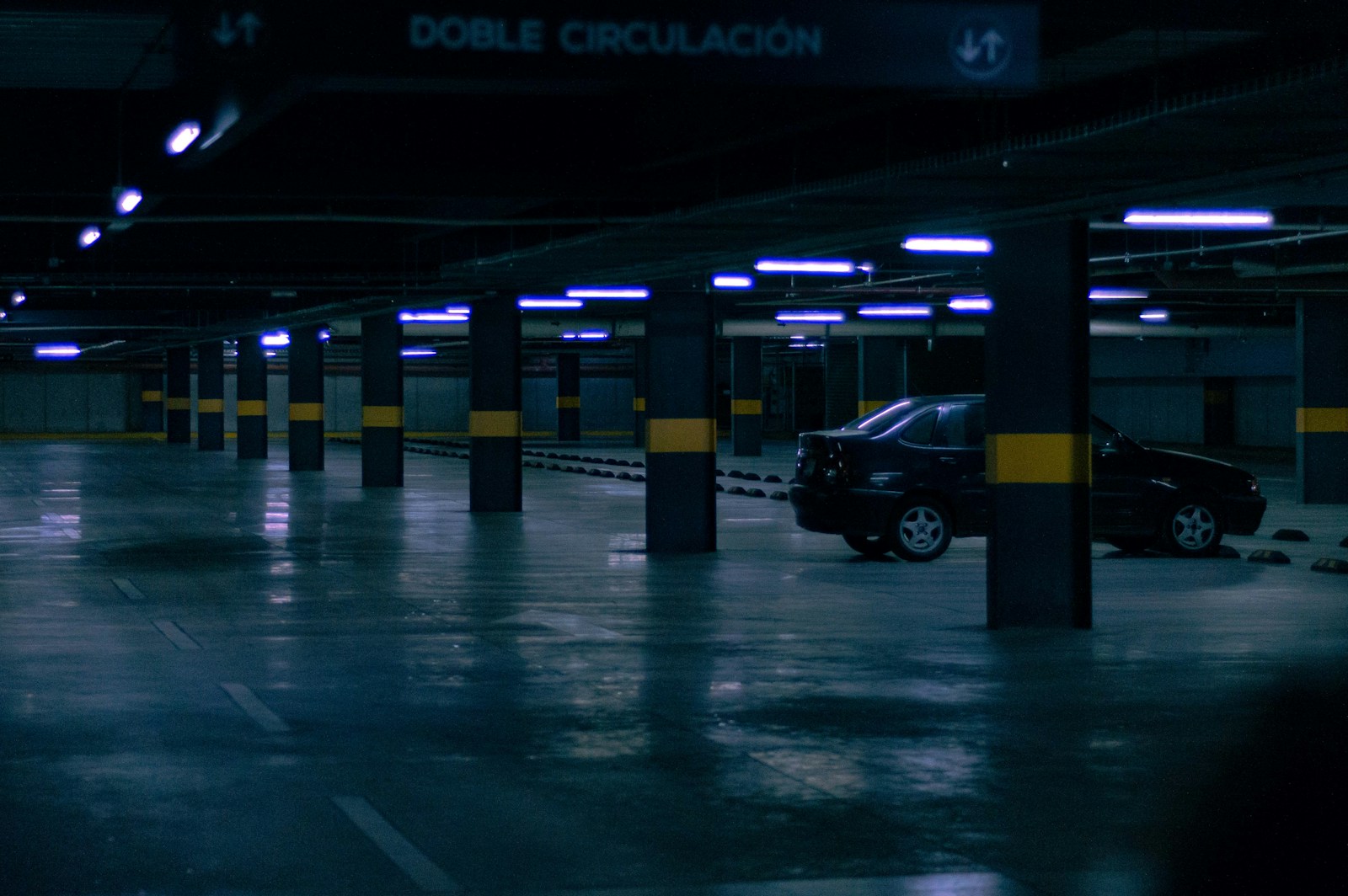
Her car was sitting in the mall parking lot. Not a similar car. Not “same model, different year.” Her actual car, with the little dent on the rear bumper that hadn’t been fixed yet, and the crooked license plate frame her brother installed wrong last Thanksgiving.
The moment it clicked, she stopped shopping
At first, Marissa did that thing people do when reality glitches—she stood there staring like the car might politely turn into another vehicle if she looked hard enough. Then she started stacking up the identifiers in her head: the sticker in the corner of the windshield, the scratch on the passenger door, the exact way the sun hit the faded tint strip. It wasn’t plausible anymore. It was her car.
She walked outside faster than she meant to, clutching a shopping bag she didn’t even remember paying for. Up close it was undeniable, down to the half-melted air freshener she’d been meaning to replace. The shop had the keys. The shop was supposed to have the car. And yet here it was, hanging out at a mall like it had a social calendar.
Marissa didn’t try to get into it—she couldn’t, because she didn’t have the fob. She also didn’t want to touch anything and have some employee later claim she “tampered” with it. Instead, she did what every paranoid person becomes the second something feels off: she took photos. The car, the license plate, the location marker sign in the lot, even the mall entrance in the background for context.
Then she called the body shop, hands shaking enough that she had to re-dial once because she hit the wrong number.
The shop’s first response was a little too casual
The front desk picked up with the same chirpy voice Marissa remembered from drop-off. Marissa asked—trying to keep her voice steady—where her car was. The employee said it was “in the back,” like the question was weird, like Marissa was the one forgetting how body shops work.
Marissa didn’t yell. She just said, “I’m looking at my car right now, and it’s in the mall parking lot.” There was a pause long enough that the background shop noises suddenly sounded sharp and loud through the phone. The employee didn’t deny it, not exactly. She just asked for the make and model again, as if confirming it might magically fix the problem.
After Marissa repeated herself—and added the license plate for good measure—the front desk voice got smaller. “Let me get the manager.” That phrase didn’t come with reassurance. It came with the energy of someone realizing they’re not getting out of this by putting on a customer-service smile.
Marissa waited, staring at her car like it might sprout legs and jog away. She remembers noticing a fast-food cup in the center console she didn’t recognize. Not proof of anything by itself, but enough to make her jaw tighten until her teeth ached.
The manager tried the “parts run” explanation
The manager came on the line sounding smooth, practiced, and mildly inconvenienced. Marissa told him exactly what she’d found and where she was standing. She expected panic, or at least a scramble to control damage. What she got instead was a calm explanation delivered like he was talking about a routine oil change.
“That would’ve been a parts run,” he said. Just like that. No apology first. No “That shouldn’t have happened.” Just a label slapped on it, like naming something makes it acceptable.
Marissa asked why a parts run would take her car to a mall. The manager didn’t answer directly; he pivoted. He said their supplier was “in that area,” that sometimes they combine errands to “save time,” that the technician probably stopped for “a quick pickup.” The words were reasonable individually, but strung together they sounded like a story being assembled in real time.
Marissa told him her car wasn’t supposed to be driven except for necessary testing. That was part of the paperwork—she remembered because she’d initialed a line about mileage. The manager’s tone shifted slightly, less friendly now, more managerial. “We have to drive vehicles as part of the repair process,” he said, emphasizing “have to” like she was being dramatic for questioning it.
She started asking about mileage and who exactly had the keys
Here’s where it got messy, because Marissa didn’t just want the car teleported back to the shop. She wanted specifics. How many miles had been put on it? Who drove it? Why was it parked here right now?
The manager gave her the verbal equivalent of shrugging. He said he’d “check the ticket” and “talk to the tech.” When Marissa pressed—because she was literally standing twenty feet away from her own vehicle like it was a stranger’s—the manager asked her to come back later or “wait until we can look into it.”
That’s when she told him she wasn’t leaving the mall until someone came out to explain it in person, and she wanted the car returned immediately. Not “eventually,” not “when they have time,” but now. The manager sighed, audibly, into the phone. It wasn’t the sigh of someone alarmed that a customer’s car was somewhere it shouldn’t be. It was the sigh of someone annoyed a customer was being difficult.
Marissa asked one more question that made the whole situation feel different: “If it was a parts run, why is it just parked here?” Silence again. The manager finally said, “It looks like the technician might’ve stepped inside for a minute.” A minute. At a mall. With a customer’s car. While it’s supposed to be in a body shop getting repaired.
The tension turned physical when she waited by the car
Marissa did what a lot of people would do when they don’t feel like they’re being taken seriously: she planted herself near the vehicle. Not leaning on it, not causing a scene, just standing close enough that nobody could stroll up, hop in, and leave without acknowledging her. She called a friend to come sit with her, partly for backup and partly because she didn’t trust the situation anymore.
Time stretched in that uncomfortable way it does when you’re waiting for accountability to show up. Marissa watched people load shopping bags, return carts, argue about parking spots. Her car just sat there, perfectly normal-looking, which somehow made it worse. There’s something uniquely infuriating about your property being treated casually when you’ve been careful with it for years.
About twenty minutes later, a guy in a work shirt walked up, keys in hand, and did a double-take when he saw her. He didn’t look guilty in a dramatic way. He looked startled, like he didn’t expect the car to come with an owner attached. He said, “Uh… are you waiting for someone?” even though he was standing next to the exact vehicle she owned.
Marissa asked him if he worked for the shop. He said yes, and then—before she could even finish her sentence—he started explaining that he was “just grabbing something quick.” Not “picking up a part.” Not “dropping off paperwork.” Just “something.” The vagueness landed like a slap.
What made it worse wasn’t just the driving—it was the denial
Marissa called the manager back with the technician standing there. She didn’t yell; she didn’t have to. She said, “I’m with your employee right now, at the mall, next to my car.” She asked the manager to explain, on speaker, exactly what the car was doing there and why her mileage was higher than what she dropped it off with.
The manager doubled down on the “parts run” line, but it sounded weaker with the real-world details pressing in. The technician kept shifting his weight and staring at the ground like he was hoping the asphalt would open up. When Marissa asked what part they’d picked up, the tech said he didn’t remember the name of the place. When she asked why he needed her car specifically, he said something about “needing to make sure everything felt right.”
Marissa pointed out the repair wasn’t even finished—she’d called that morning and been told it was “still in progress.” So what, the car was simultaneously mid-repair and running errands? The manager’s tone hardened again, and he started talking about how she was “making accusations” and how their shop “has policies.” It was that familiar corporate maneuver where they act like your questions are the problem, not the fact your car was on a field trip.
She told them she wanted her car back immediately, repair unfinished or not, and she wanted an itemized record of mileage and movement since drop-off. The manager said she’d have to “come in to discuss it” and that there might be “storage fees” if she pulled it early. That’s the point where the story stops being about confusion and starts sounding like leverage.
Marissa didn’t get a neat resolution on the spot. What she got was a technician reluctantly driving her car back to the shop while she followed behind, like she was escorting a runaway dog home. The weirdest part was how normal everyone acted once they reached the body shop lot, like the mall detour had been a minor misunderstanding instead of a huge breach of trust. And Marissa couldn’t shake the feeling that the real fight wasn’t about the mall at all—it was about how easily they’d tried to make her doubt her own eyes, right up until the moment she was standing there in the parking lot, waiting by her own car like a line in the sand.