
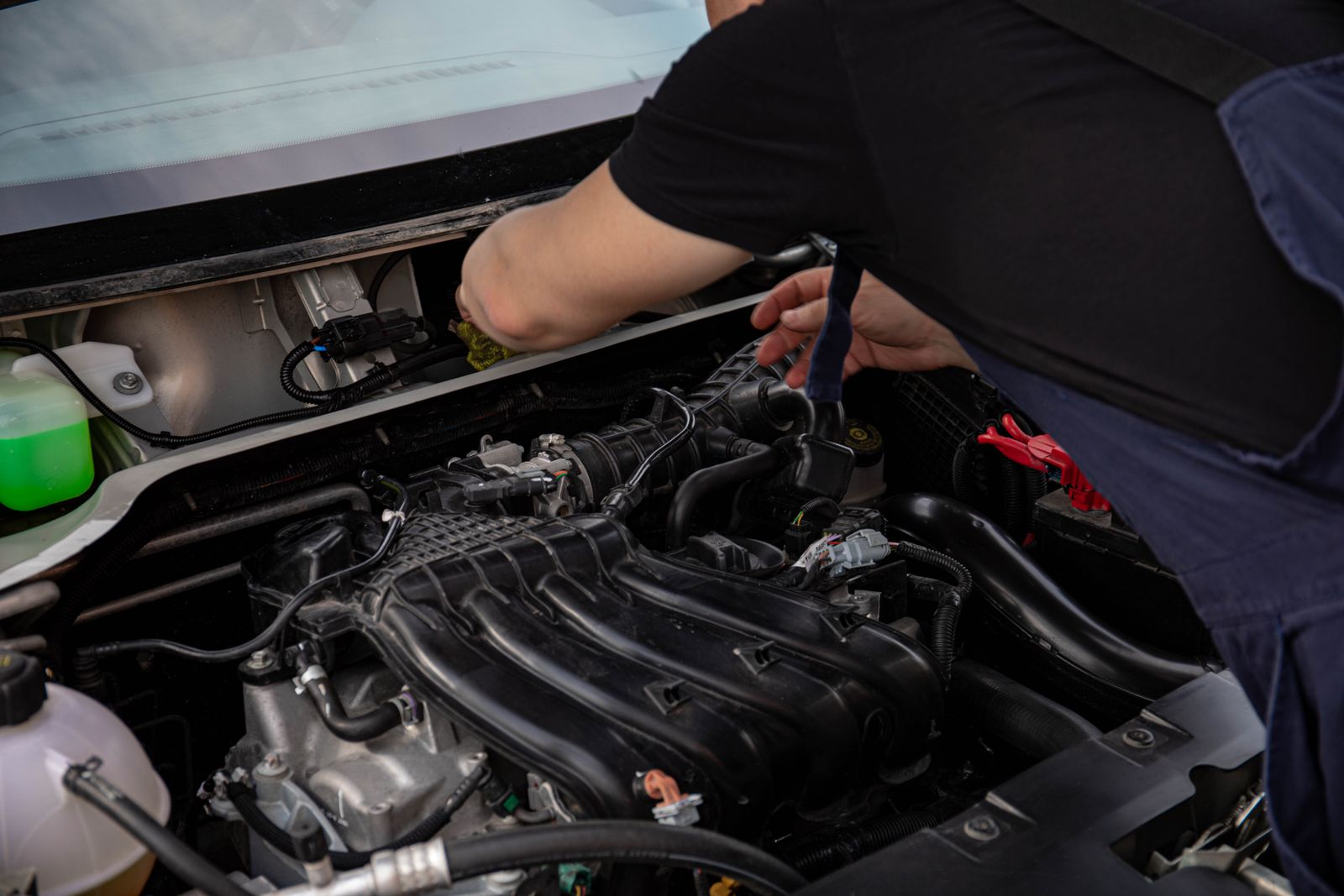

It started the way a lot of shop drama starts: a guy rolling into a busy little independent repair place on a Monday morning, already irritated about something that happened long before he turned into their lot. He had a mid-2010s SUV, decent shape, a little grime around the engine bay, and the kind of “I don’t have time for this” energy that makes a service writer keep their pen moving.
He wasn’t there for anything dramatic, at least not yet. He said he’d noticed a burning smell at stoplights and a little smoke after parking, and he wanted “a quick look” because he had a road trip coming up. The shop manager had seen that exact combo enough times to know it was either a valve cover seep dripping onto the exhaust, or a bigger oil leak that was about to graduate from annoying to expensive.
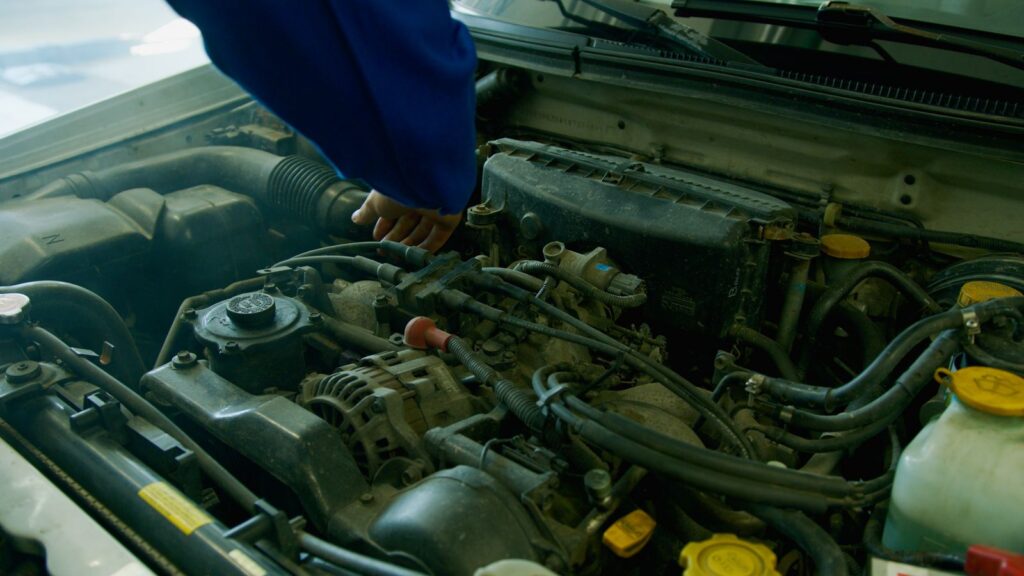
They pulled it in, popped the hood, and within minutes the tech had that look—the one that says, yep, it’s doing the thing. Oil was wetting the front of the engine, not pouring out, but definitely not “normal,” and there was a shiny line where it had been running down toward the hot stuff. It was the kind of leak that wouldn’t leave a massive puddle in your driveway, but would absolutely drop the oil level over a couple weeks if you ignored it.
The “Just Top It Off” Conversation
The service writer came out with photos on a tablet like they always do now, zooming in on the wet seam and the splattered areas. He kept it simple: there was a small but active leak, and the safest move was to fix it before the trip. The estimate wasn’t insane, but it wasn’t pocket change either—gaskets, cleaning, a couple hours of labor, and fresh oil because you don’t send a car out after doing that job with the old stuff.
The customer’s face tightened the second the numbers came out. He did that thing where he squinted at the paper like the price might change if he stared hard enough. Then he went straight into bargaining mode: “It’s just a little leak. Can’t you just tighten something? Can you put in thicker oil? I’ll keep an eye on it.”
The shop didn’t take the bait. They told him the same thing they tell everyone: if it’s leaking now, it’s only getting worse, and oil level is not something you gamble with on a road trip. The manager even offered a cheaper option—clean it, add UV dye, recheck to confirm the exact source—because sometimes customers feel better when the diagnosis has a second stamp on it.
But the guy wasn’t looking for a plan; he was looking for permission. When they wouldn’t give it, he went from annoyed to dismissive, like they were trying to upsell him a new engine for fun. He finally said, “Just change the oil and I’m out,” as if an oil change was a magic reset button for the leak.
The Decline Form, Signed in Ink
This shop had one of those policies that sounds petty until you’ve been burned: if a customer refuses a safety-critical recommendation, they sign a decline form. Not a scary legal document, just a plain sheet that lists what was recommended, why, and what could happen if it’s ignored. The manager slid it across the counter with a pen and a calm voice, like he was offering a receipt.
The customer laughed—actually laughed—and made a comment about “covering your butts.” He signed it anyway, fast and sloppy, like he wanted the moment over with. The service writer filed it, stapled to the work order, and the tech did the oil change, wiping off as much residue as possible so the owner could see what was new oil and what was old mess.
When the SUV was done, the shop manager gave him one more verbal warning. Check the oil level every fuel stop, especially before the trip, and come back if he sees fresh wetness. The customer nodded without listening and walked out like he’d won an argument.
The funny part is that nobody at the shop felt victorious. They’d seen this movie before, and the ending is never the same kind of “told you so.” It’s usually expensive, loud, and personal.
Two Weeks of Silence, Then a Tow Truck
For about two weeks, nothing happened. The shop stayed busy, other cars came and went, and that signed decline form probably sat in the file cabinet with a hundred other “customer refused” sheets. Then, on a Thursday afternoon, the tow truck showed up.
The SUV was on the flatbed like it had been dragged back from a battlefield. The driver’s side fender had that dust-streaked look you get from highway miles, and there was a dark stain smeared underneath where oil had been blown back. The tow driver didn’t even bother with small talk; he just said, “Your guy’s inside already,” and pointed toward the office.
The customer was at the counter, hands braced on the laminate, leaning forward like he was about to start cross-examining someone. His voice was loud enough that the waiting room heard every word. “You touched my car two weeks ago,” he said, like that fact alone proved causation.
The manager didn’t match his volume. He asked what happened, and the customer launched into it: driving home from the trip, heard a knocking noise, then a bang, then the engine stalled. He said the oil light came on “out of nowhere,” and the car went dead before he could pull over safely.
The Engine Tear-Down Nobody Wanted
The shop pushed the SUV into a bay and did the first, basic checks. The dipstick came out nearly dry, and the underside was glossy with oil where it had been misted and then baked into grime. When they tried to crank it, it made that sick, uneven sound that mechanics recognize instantly—metal complaining, compression missing, something inside refusing to cooperate.
They told the customer they could diagnose it properly, but diagnosis wasn’t going to be free, and it wasn’t going to magically turn into a warranty claim. That’s when he exploded into the kind of anger that’s half panic, half pride. He accused them of leaving the drain plug loose, using the wrong filter, “stripping something,” basically anything that could shift the blame from “I ignored an oil leak” to “you people ruined my engine.”
The manager kept asking simple questions. Had he checked the oil level like they told him? Did he ever see spots where he parked? Did he smell oil after the oil change? The customer dodged each one, pivoting back to the same point: “It was fine until you touched it.”
Eventually they did what you do with a failed engine: confirm the failure. The tech pulled the spark plugs, checked for oil contamination, looked for signs of catastrophic loss, and found exactly what he expected—significant oil starvation damage. Bearings don’t disintegrate politely, and once you’ve run low enough for long enough, the engine doesn’t care who changed your oil last.
“We Have Your Signature Right Here”
The moment the manager slid the paperwork onto the counter, the temperature in the room changed. He didn’t do it with attitude; he just laid out the work order from two weeks ago, the recommendation to repair the oil leak, and the box labeled “declined,” signed in the customer’s own handwriting. The form even had the standard line that oil leaks can lead to low oil, overheating, and engine damage if not addressed.
The customer stared at it like it was a trick, then started arguing about the wording. He said the leak wasn’t that bad, that nobody told him it could “blow the engine,” that it was “just a seep,” and besides, the oil light should’ve warned him sooner. The manager pointed out that the oil light comes on when things are already bad, not when you’re gently approaching disaster.
That’s when the customer tried a different angle: intimidation by escalation. He demanded the shop cover the engine replacement, asked for the owner’s personal cell number, threatened to call “corporate” even though there wasn’t one, and said he’d “get a lawyer.” The waiting room went quiet in that uncomfortable way where nobody wants to look directly at the scene, but nobody can stop listening either.
The manager didn’t argue about lawyers. He just repeated what the shop could do: they could quote an engine replacement, they could help him find a used engine, or they could tow it somewhere else if he didn’t trust them. What they weren’t going to do was pretend an ignored oil leak was their fault, especially with a signed decline form that spelled out the risk.
The customer’s fury shifted into something sharper and more embarrassed, like he’d realized he didn’t have the leverage he thought he had. He snatched the papers, accused them of “hiding behind forms,” and insisted the decline form was meaningless because he “didn’t understand it.” The manager’s reply was quiet but firm: it was explained, it was offered as a chance to reconsider, and he signed it anyway.
He left without authorizing anything, and the SUV stayed on the lot like an unpaid bill that couldn’t be ignored. The shop kept the file exactly where it belonged, because that’s what you do when someone storms out promising consequences. The unresolved part wasn’t whether the engine was blown—that was already a fact—it was whether the customer would come back ready to pay for a replacement, or come back ready to fight a battle he’d already signed his way out of.
More from Steel Horse Rides: