

It started the way these things always start: a car doing something annoying and a person trying to be responsible about it. The customer had been hearing a sharp squeal on cold starts, plus a faint burning smell if they drove longer than twenty minutes. Nothing catastrophic yet, but enough to make them picture a belt snapping on the highway at the worst possible time.
They picked a local mechanic shop that looked legit from the outside—hand-painted sign, bays you could see into, a waiting room with a sagging couch and a dusty coffee maker. The customer didn’t expect miracles. They just wanted someone to pop the hood, take a look, and tell them whether they were dealing with a simple belt/tensioner situation or something that was about to become a tow truck bill.
Right at the counter, the mechanic set the tone by saying, casually, that diagnostics weren’t free. It was a flat fee—pay it up front, and they’d “run it down” and let the customer know what the next step was. The customer swallowed the annoyance, paid, and handed over the keys, figuring this was just how shops worked now.
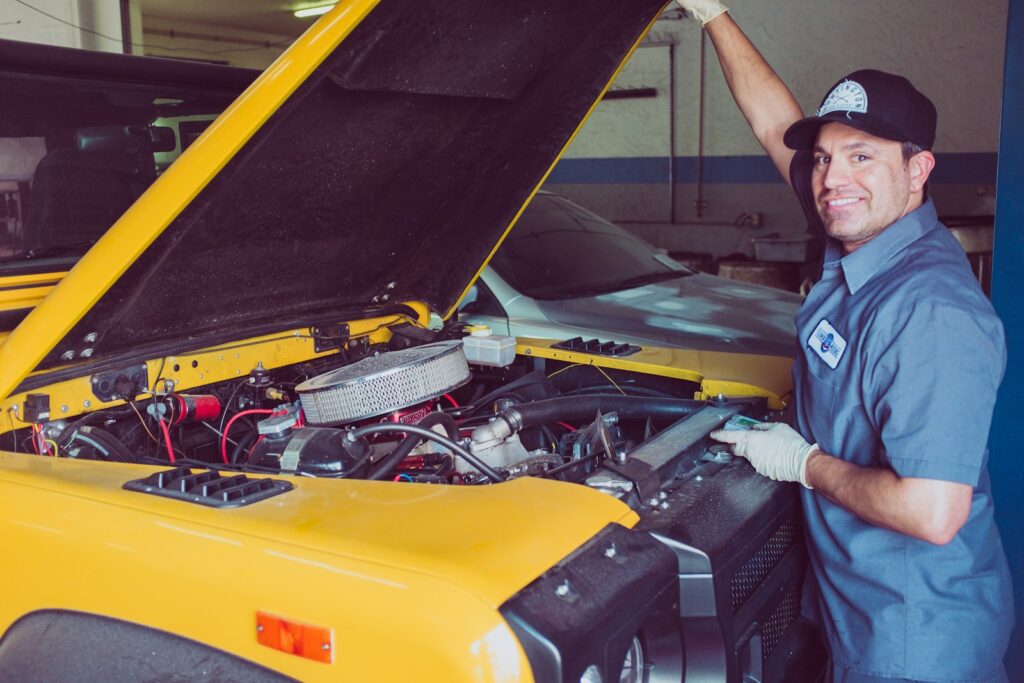
The “Diagnostic Fee” Conversation
Once the money changed hands, the vibe shifted from “we can help you” to “take a number.” The mechanic didn’t write much down, just asked a couple of questions while half-looking at the computer screen. Year, make, model, “any lights on,” and then a quick nod like the customer’s car was already mentally filed under “later.”
The customer sat in the waiting area and did the usual math: if it’s a belt, maybe it’s a couple hundred. If it’s something worse, at least they caught it early. Every time a bay door rattled open, they looked up expecting to see their hood raised, someone leaning in with a flashlight, maybe the little clink of tools.
Instead, an hour passed with the car parked outside in the same spot it was left. The customer noticed because their key fob was still on the counter hook in plain view, untouched. People came and went; a guy in work boots argued about a tire warranty; someone else got a quick oil change and drove off.
The Waiting Room Tells on Everyone
The customer finally walked back to the counter and asked—politely, still—how the diagnostic was going. The mechanic didn’t even do the fake “we’re just finishing up” routine. He glanced toward the lot like he’d forgotten what car he was supposed to be looking at and said something along the lines of, “Yeah, we’ll get to it.”
That’s when the customer got that specific stomach-drop feeling that isn’t panic, exactly, but a creeping sense that you’re being managed. Not helped—managed. They sat down again and watched as the mechanic and another employee talked in the doorway of one of the bays, laughing about something on a phone screen.
Another half hour went by. The car still hadn’t moved. The hood still hadn’t been opened. The customer could tell because the car was parked nose-in, and the hood line was clearly flat and undisturbed, no fingerprint smudges, no prop rod silhouette, nothing.
The Admission: “Didn’t Have Time”
When the customer went up the second time, their tone wasn’t hostile, but it wasn’t soft anymore either. They asked directly whether anyone had actually looked at the car. The mechanic, still behind the counter, finally gave an answer that didn’t even try to sound good: he said he hadn’t had time to open the hood.
Not “we’re backed up.” Not “we ran into an emergency.” Just: didn’t have time. And then, like it was the most normal thing in the world, he slid immediately into the next part—how the diagnostic fee still applied because the slot had been reserved and time had been spent “checking it in.”
The customer blinked at him, because it was almost impressive how calmly he said it. The whole point of paying that fee was someone actually inspecting the car, not performing a ceremonial intake process. The customer asked what the “diagnostic” consisted of if the hood wasn’t opened.
The mechanic shrugged and said he could take a listen “real quick” if the customer wanted to start it up. It was that last phrase—“real quick”—that made the whole thing feel like a hustle. Like the diagnostic was never a process, just a toll you paid for access to the conversation.
The Counter Standoff
The customer asked for a refund. Not a discount, not a credit for later—just their money back, since nothing had actually been done. The mechanic’s face tightened in that practiced way people do when they’ve had this argument before and they already know which lines they’re going to repeat.
He said diagnostics were non-refundable. He pointed at a small printed sign taped to the counter—one of those fading notices that looks like it’s been there since the last decade. The customer leaned in and read it, and sure enough, it said something like “Diagnostic fees apply regardless of outcome.”
“Outcome,” the customer said, is the key word. There hadn’t been an outcome. There hadn’t been a diagnosis. There hadn’t even been the minimum effort of lifting the hood latch.
That’s when the mechanic changed tactics and got a little sharper. He said the shop was busy, that the customer could leave the car overnight if they wanted a “full look,” and that nobody was forcing them to come there. The unspoken subtext was obvious: take it or leave it, but the money’s staying here.
The customer asked for the keys back. The mechanic handed them over like it was a relief to end the conversation, then added one more casual jab: if the squeal was “just a belt,” it wasn’t a big deal anyway. The customer stood there holding their keys, watching him minimize the very problem he’d just been paid to investigate.
Trying to Get Something for the Fee
In the parking lot, the customer did that thing people do when they’re trying not to explode: they tried to salvage the situation by asking if the mechanic could at least do the “real quick” listen since they’d already paid. The mechanic followed them outside with the slow reluctance of someone doing a favor for a stranger, not finishing a job.
The customer started the car. The squeal happened right on cue, a sharp chirp that settled into a whine for a few seconds. The mechanic stood near the front fender, arms crossed, not leaning in, not trying to pinpoint anything, just letting the sound wash over him like background noise in a grocery store.
After maybe ten seconds, he said, “Yeah, could be a belt.” That was it. No flashlight, no checking the tensioner, no looking for cracking, no inspecting the pulleys, no mention of the burning smell. Just a vague guess a neighbor could’ve offered for free while holding a beer.
The customer asked if it was safe to drive. The mechanic gave the kind of non-answer that covers a shop legally while being useless to a human being: “Hard to say without looking at it.” The customer stared at him, because that was the entire issue. Looking at it was the thing he’d said he didn’t have time to do.
Back inside, the customer asked again for at least a written note saying what had been observed during the diagnostic. The mechanic said they don’t write anything up unless there’s an estimate for repairs. The customer realized they were leaving with the same information they walked in with, minus the money.
They drove away, the squeal still there, and now the car problem had a companion problem: the feeling of being played. It wasn’t just the cash, though that stung. It was the brazenness of charging for certainty and delivering nothing but a shrug.
Later, when the customer replayed it all, the most aggravating part wasn’t even the sign on the counter or the “non-refundable” line. It was that moment when the mechanic admitted he didn’t have time to open the hood and said it like the customer was supposed to understand, like the fee was for the privilege of waiting. The car still needed a real diagnosis, but now every shop door looked a little more like a trap: pay first, hope someone actually bothers to lift the hood.
More from Steel Horse Rides: