

It started the way a lot of shop drama starts: a guy rolled into a small independent mechanic with a car that “just stopped feeling right,” and a timeline that sounded suspiciously like denial. He wanted someone else to tell him it was a sensor, a bad tank of gas, anything that wasn’t his fault.
The shop was the kind of place with a waiting area that smelled like old coffee and rubber, where the counter guy knows exactly which customers will argue about every line item. This customer—mid-argument energy from the jump—walked in already asking what it would cost “just to look at it,” like the phrase itself was a trap.
They told him the diagnostic fee up front. Not a surprise fee, not a “we’ll see” fee—just the standard charge for a tech’s time to confirm what was wrong before throwing parts at it. He nodded like he heard them, handed over the keys like he accepted it, and then spent the next twenty minutes acting like he absolutely did not accept it.
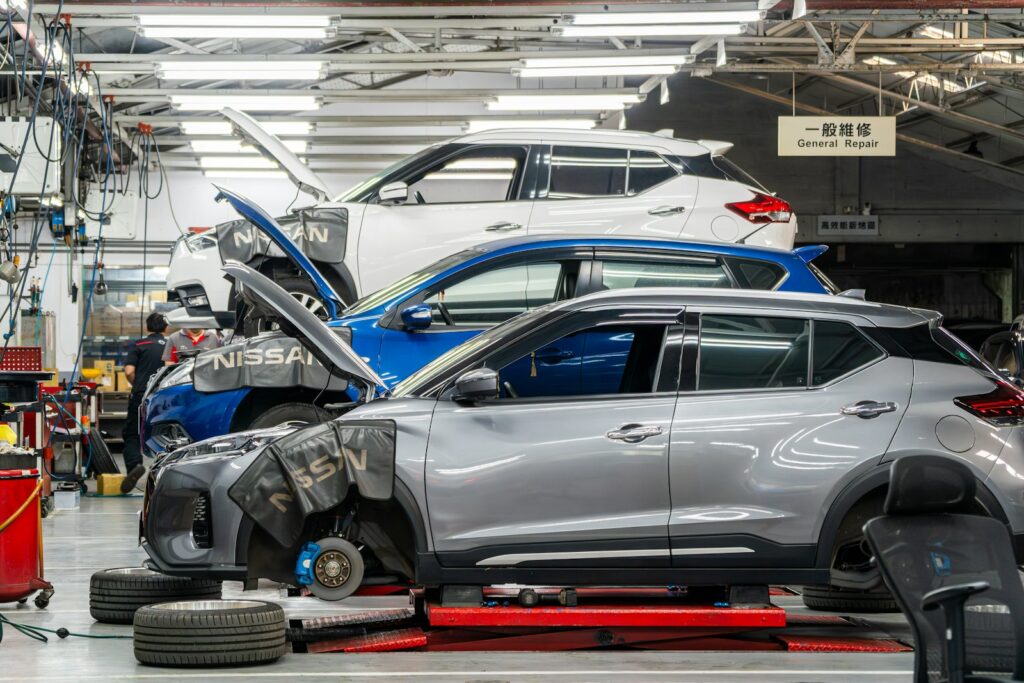
The Diagnostic Fee That “Should’ve Been Free”
When the service writer repeated the amount, the customer did that thing where he smiles like he’s being polite while his eyes say he’s calculating how to win the argument. He said he’d been to other places where they “don’t charge for that,” and the shop guy didn’t take the bait. Same tone, same script: that fee covers the inspection, the scan, the time on the lift, and the technician’s labor.
The customer pivoted to the classic: “So you’re charging me to tell me what’s wrong with it?” The answer was yes, because that’s literally what diagnostics are, and because the shop had learned the hard way that free diagnosing turns into unpaid hours and customers disappearing with the info. The customer’s voice got louder in a room where the other people waiting were suddenly extremely interested in their phones.
Still, he left the car. He even said, “Fine,” but the kind of “fine” that comes with a receipt-shaped grudge. He asked how long it would take and was told a couple hours, depending on what they found and how buried the issue was.
What the Tech Found Under the Hood
The technician pulled it in, popped the hood, and started with the basics because that’s how good techs work: verify, don’t assume. They checked for codes, looked for obvious leaks, listened, and then went for the dipstick. The dipstick came out clean in the worst way—no oil on it at all, not even a sad smear.
At first, the tech figured it might be a weird angle or the car hadn’t settled, so they checked again. Same result. They shined a light down the tube, and it wasn’t one of those “it’s low” situations; it was one of those “there is nothing in here that resembles oil” situations.
From there the diagnosis stopped being mysterious and turned into a problem with a countdown clock. If the engine had been run like that, it wasn’t just “making a noise.” It was grinding itself into an expensive lesson, and the tech knew the next conversation was going to be ugly.
The Phone Call That Turned Into a Threat
The shop called the customer and kept it straightforward: the engine oil level was critically low—effectively empty—and they couldn’t responsibly run it further without risking major damage. They asked when the last oil change was and whether the car had been leaking or burning oil. The customer immediately snapped back that he’d “just had it done” and that the shop must be trying to upsell him.
They offered the most reasonable next step: add oil, document it, and then re-check for leaks and see what the engine sounded like once it had the bare minimum it needed to survive. That’s when the customer’s tone changed from defensive to offended. He didn’t want to pay for oil, didn’t want to hear that driving it like this was dangerous, and definitely didn’t want to pay a diagnostic fee for information he didn’t like.
He demanded the car back and said he wasn’t paying “a dime” for them to “pull a dipstick and tell him nothing.” The service writer reminded him the diagnostic fee was agreed upon, that the tech’s time had already been spent, and that they had notes and documentation. The customer responded with the one threat that people think is a cheat code: he said he’d leave a terrible review and “make sure everyone knows” the shop was a scam.
“Okay, But We’re Posting the Picture”
Shops hear the review threat all the time, but this one landed differently because the situation was so clean-cut. It’s hard to argue with “your engine has no oil,” and the shop had already done what good shops do when they find something that can turn into a blame game: they documented it. They took a photo of the dipstick as it came out, bone-dry, with the car information visible in the background.
The customer showed up to pick up the vehicle like he was arriving to fire someone. He leaned on the counter, talked over the employee, and demanded they waive the fee because “you didn’t fix anything.” The shop’s response wasn’t dramatic; it was calm, almost bored, like they’d learned that matching a customer’s volume is how you lose control of the room.
They explained again: diagnostics is work, and the result of the diagnostic was that the engine had no oil and needed immediate attention before any deeper testing. The customer insisted the oil was fine when he brought it in and suggested the shop must’ve drained it or “lost it.” That accusation—implied sabotage—was the moment the conversation shifted from annoying to serious.
The manager told him they had photo evidence of the oil level at the time of inspection and that if he posted a review claiming the shop caused the problem, they’d respond with the documentation. The customer laughed like he didn’t believe them, paid nothing, and stormed out with the keys after arguing about whether they were “allowed” to hold his car. The last thing he tossed over his shoulder was that he’d be “seeing them online.”
The Review, the Receipt, and the Engine With Nothing to Hide
Not long after, the review showed up exactly as promised. One star, all caps energy, accusing the shop of charging “fake fees” and trying to rip him off over “nothing,” with a line strongly implying they caused the car’s issues. It read like he expected everyone to nod along at the injustice of a business charging for labor.
The shop didn’t write a novel back. They replied with the timeline—customer approved diagnostic, vehicle inspected, oil level found to be empty—and attached the photo of the dipstick. No insults, no name-calling, just the kind of blunt evidence that makes an argument collapse in on itself.
And because the customer had put it in public first, the shop didn’t treat it like a private misunderstanding anymore. They posted the same photo on their business page with a short caption that basically said: this is why diagnostics cost money, and this is why we document everything. The image did most of the talking, because there’s something uniquely embarrassing about a dry dipstick when you’ve been acting like the professional in the room is the liar.
The customer didn’t come back to argue in person, at least not right away. But he didn’t exactly disappear either—he edited the review, then un-edited it, then added vague lines about “legal action” without saying what law was supposedly broken. The shop didn’t keep sparring; they just left the documentation up, the quiet implication being that anyone who wanted to understand the situation could look at the same photo and decide who was playing games.
What lingered wasn’t a neat resolution but that slightly sick feeling underneath: the engine had been driven with no oil, and whether the customer admitted it or not, that wasn’t a shop problem. The diagnostic fee was a small number compared to what happens when metal runs dry at highway speed, and the guy’s anger read less like righteous outrage and more like panic looking for a target. The shop could post all the pictures it wanted, but the part he couldn’t review-bomb away was sitting under his hood, waiting for the bill he’d been trying to dodge.
More from Steel Horse Rides: