
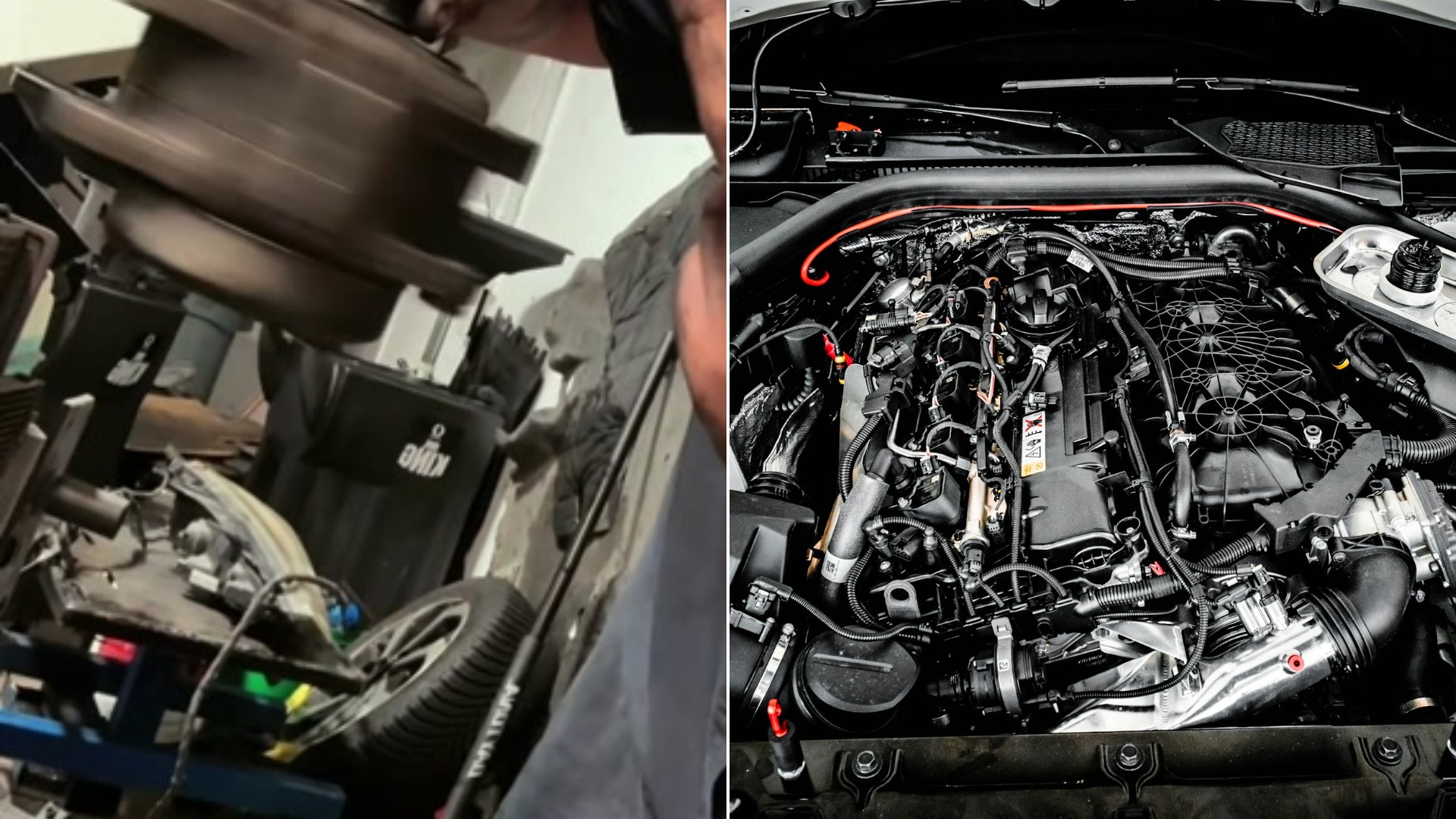

A car shows up on a tow truck, and its owner already knows what is wrong with it. He is sure it needs an alternator, and he has brought the part with him.
That is the setup in a story shared by @dxmnitbobby, a mechanic who tells it with plenty of sarcasm. The ending is the sort of thing every shop worker has seen at least once.
@dxmnitbobby
The Customer Already Had The Part And The Diagnosis
The customer did what a lot of drivers do these days. He searched online, matched his symptoms to a likely cause and bought the part before talking to a mechanic.
It is an understandable move. Parts are a click away, and the internet is full of confident answers about what is wrong with any car.
Shop owners see this scene all the time. A customer arrives with a box under his arm and a firm opinion, and the job becomes a negotiation before anyone has looked at the car.
The mechanic in this story took a different approach. He let the car speak for itself.
The Mechanic Opens The Hood
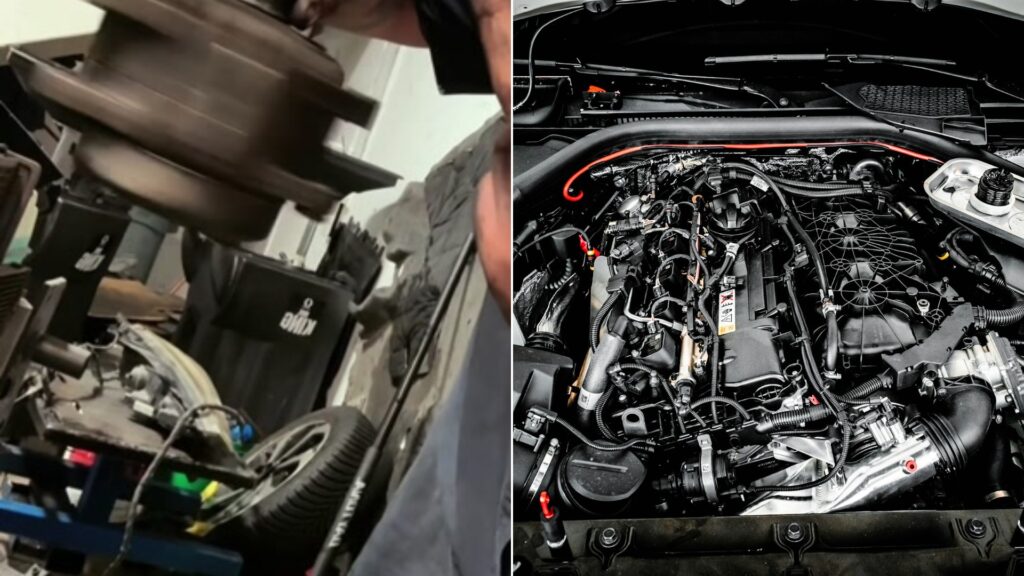
The mechanic did not jump straight to the alternator. He opened the hood and took a look first.
What he found, according to his story, was that the car only needed something tightened down. No new part was needed.
Why A Loose Connection Can Look Like A Dead Alternator
This happens more often than most drivers would guess. The charging system depends on solid connections, and a loose one can create symptoms that look just like a failed alternator.
A dim battery light, a car that will not start, flickering headlights or a dead battery can all point to the alternator. They can also point to a loose cable, a weak ground or a belt that is not gripping.
That is why mechanics test before they replace. A few minutes with a meter can tell the difference between a bad part and a bad connection.
How A Mechanic Tests The Charging System
The usual check begins with a visual inspection. A mechanic looks at the belt, the battery cables and the connections for looseness and corrosion.
Next comes a voltage test. A healthy charging system typically shows a battery at around 12.6 volts with the engine off and somewhere around 13.5 to 14.5 volts with the engine running.
If the numbers look off, the mechanic checks the ground, the wiring and the belt before blaming the alternator. Many shops will also test the battery itself, because a weak battery can mimic charging trouble.
A good habit for any driver is to look at the basics before spending money. Check that the battery cables are snug, that the terminals are clean and that the belt looks tight and unfrayed.
If you are not comfortable doing it yourself, ask a mechanic or a knowledgeable friend to look. Five minutes of looking beats five hours of guessing.
What It Costs When You Guess
Replacing parts on a hunch can add up fast. Buying an alternator that you did not need costs real money, and the return may not be simple if the part has been handled or installed.
There is also the cost of labor. If the shop installs a part that did not fix anything, the customer still pays for the time.
The best money you can spend on a car that will not start is a proper diagnosis. A small fee for testing often saves a much bigger bill.
Bringing Your Own Parts To A Shop
Many drivers wonder if they can bring their own parts. Some shops allow it, and some do not, and the policies exist for good reasons.
- Ask about the shop’s policy before you buy anything. Many shops will not warranty labor on parts they did not supply.
- Let the mechanic diagnose the problem first. A proper test beats a guess from the internet.
- Keep the receipt and the packaging in case the part turns out not to be needed.
- Check that the part matches your exact year, engine and trim before it goes in the car.
- Ask the mechanic to show you what they found, whether it is a bad part or a loose connection.
It is worth saying that nobody in this story did anything unusual. Plenty of careful drivers have bought a part on a guess, and plenty of honest shops have talked them out of it.
What makes the clip stick is the contrast between the big plan and the tiny fix.
The Lesson Behind A Very Simple Fix
The story is funny because the fix was so small. The customer arrived with a tow, a new part and a firm opinion, and he left with a car that only needed something tightened.
It is also a reminder that mechanics earn their pay by knowing where to look. Experience tells them to check the simple things first, and that habit saves customers money every day.
Next time your car acts up, resist the urge to buy first and ask questions later. Let a professional look under the hood, and you may find that the fix is as simple as a wrench and a minute of time.
More Stories You May Like
- Jason Buys A K5, A Corvette And A Cobra Behind John’s Back, Then John Sees The Photos And Says The Corvette Is A Junkyard Dog Worth Only $500
- 1968 Shelby GT350 Convertible Is One Of Only 404 Built, Yet The Owner Added A Paxton Supercharger And A Five Speed And Is Handing Over Every Original Part
- Man With A Fleet Of Old Trucks And Cars Finds Every Single One Needs Something, Fixes A Tractor And Brakes, Then Drives The Model T He Bought At 11 With $400