

It started the way a lot of car problems start: subtle, annoying, and easy to second-guess. The customer’s sedan didn’t screech or throw warning lights. It just kept yanking to the right whenever they touched the brakes, like the car had an opinion about which lane it belonged in.
They did the normal responsible-person thing and booked an appointment at a local shop they’d used before. The kind of place with faded posters on the wall, a phone that rings forever, and a counter guy who can say “We’ll take a look” in ten different tones. The customer wasn’t trying to be dramatic about it—just wanted to know why the car suddenly felt like it was trying to pit-maneuver itself at every stop sign.
The first shop had it for a few hours, then came back with the car equivalent of a shrug. They told the customer the caliper was fine, everything looked normal, and basically implied the pulling might be “tire-related” or “just how it feels.” The customer drove away with the exact same problem, only now with that special extra layer of irritation you get when you’ve paid for someone to tell you nothing’s wrong.
The first shop’s “It’s fine” and the creeping doubt
For a couple days, the customer tried to live with it. They swapped the front tires side-to-side in the driveway like someone in denial doing a DIY exorcism. They checked tire pressure, eyeballed the tread, and even did that thing where you convince yourself the pull isn’t as bad if you brace for it.
But the pull was consistent, and it was getting harder to ignore. Braking on the highway meant a slight panic every time, because the car didn’t just slow down—it veered. The customer had that growing feeling that the shop hadn’t actually looked very hard, or they’d looked and didn’t want to deal with it, or they were gambling on the customer going away.
So they booked a second opinion across town, one of those smaller spots where the parking lot is a tight squeeze and the owner actually talks to you instead of hiding behind a service writer. The customer didn’t even lead with “Your competitor messed up,” because they knew how that sounds. They just said, “Brakes pull right when I stop. Another place said the caliper’s fine, but something’s off.”
The second shop does the thing the first shop didn’t
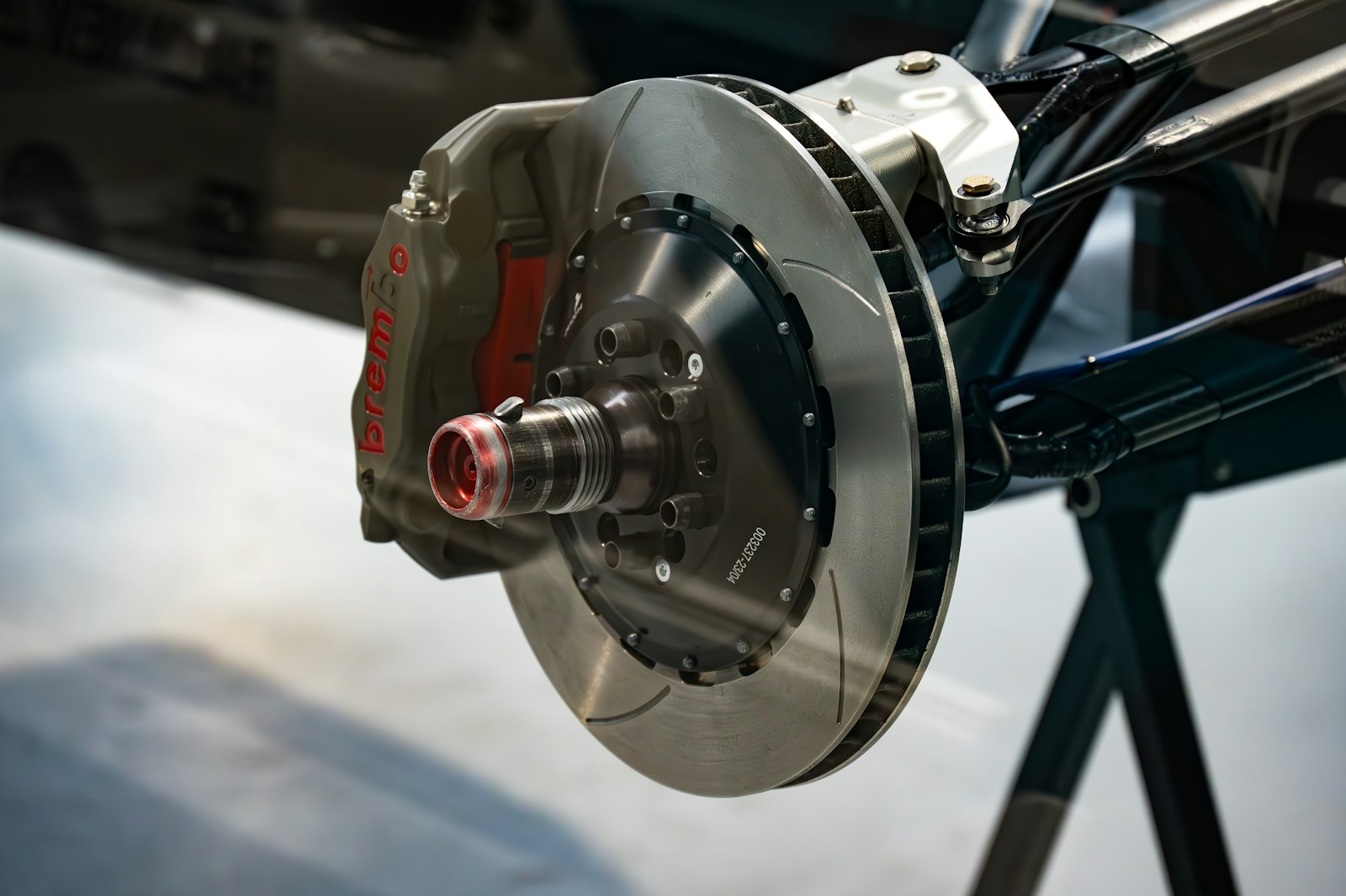
The second shop didn’t do anything fancy. They didn’t plug in a scan tool or talk about “brake bias” like it was a philosophy. They put the car on a lift, pulled the wheel, and started with the most basic step that somehow hadn’t happened the first time: actually getting eyes on the hardware.
Once the wheel was off, the tech got quiet in that way that makes customers tense up. Not “uh-oh, your wallet” quiet—more like “what am I looking at” quiet. The customer, standing in that half-allowed area of the bay where you’re close enough to see but not close enough to be helpful, watched the tech lean in toward the caliper bracket and poke at something with a screwdriver.
At first it looked like the typical grime you’d expect on a car that’s seen a few winters. Then it shifted, not like an animal moving, but like a clump of dried plant matter giving up its last bit of structure. The tech pulled, and a wad of shredded paper and fluff came out, followed by more, packed in like someone had been quilting behind the bracket.
The mouse nest reveal: not a metaphor, an actual nest
It wasn’t just “debris.” It was a full-on mouse nest, wedged behind the caliper bracket like it had been installed on purpose. The material was a gross little collage: bits of insulation-looking fuzz, chewed-up paper, and the kind of dried grass you only notice when it’s jammed into your braking system.
The tech kept pulling it out in slow chunks, and the pile on the shop floor grew into something you couldn’t write off as “a little nesting.” It had that compressed, packed-in look of something that had been worked on over time. Like the mouse—or mice—had been very proud of the location and very committed to the build.
The customer’s first reaction was disbelief, then this weird laugh that wasn’t really humor. It’s the laugh you do when reality has outpaced your ability to process it. They’d come in expecting a stuck slide pin or a bad hose, and instead they were watching someone extract a tiny apartment complex from a space that’s supposed to stay clear so a brake caliper can move freely.
The tech pointed out the problem in the simplest terms possible: if the caliper can’t move like it’s supposed to, the pad pressure won’t be even. That can make the car pull, wear pads weirdly, and generate heat in all the wrong ways. The nest wasn’t a cute surprise—it was an obstruction in a system that depends on precise motion.
“So the caliper was fine” and the awkward math of trust
This is the part where the story gets sticky, because the customer wasn’t just dealing with a mechanical issue anymore. They were dealing with the emotional math of being told “everything’s fine” by one shop and then having another shop find a literal nest behind the brakes. Not a microscopic fault or an arguable diagnosis—a visible, physical problem you could hold in your hand.
It immediately raised the question the customer didn’t want to ask out loud: how did the first shop miss that? If you pull the wheel, it’s right there. If you don’t pull the wheel, then what exactly did “checking the brakes” mean when they said they checked?
The second shop didn’t go into a big rant about the first one. They didn’t have to. The evidence was sitting on the floor like a gross little receipt. The customer’s annoyance shifted into something more personal, because it’s one thing to misdiagnose a tricky issue—another to apparently not do the basic step that would’ve exposed the problem immediately.
And now the customer had to decide what kind of person they wanted to be about it. The “call the first shop and let them have it” person, or the “just fix it and move on” person, or the “leave a review that reads like a warning label” person. They hadn’t even gotten to the bill yet, and the whole situation already felt like it had social consequences.
Fixing the pull, and the lingering question of what else got skipped
The fix itself wasn’t mystical. The tech cleaned out the debris, checked the slides, and made sure nothing was damaged or seized after being forced to work around a nest. They inspected pad wear and rotor condition because once something’s been binding, you don’t just assume the friction surfaces survived without a story of their own.
When the customer test-drove it, the pull was dramatically reduced—maybe gone, depending on how much the prior uneven braking had already done. That part was satisfying in the way simple answers are satisfying. The car behaved like a car again, stopping straight instead of lunging right like it was trying to exit the conversation.
But the satisfaction didn’t erase the earlier part of the timeline. The customer couldn’t stop replaying the first shop visit: the casual certainty, the “caliper is fine,” the implied suggestion that the problem was in their head or in their tires or in their expectations. Now that they’d seen what “fine” had been hiding, every other past visit to that shop started to feel suspicious in retrospect.
They also had to sit with the uncomfortable reality that rodents don’t ask permission. A mouse can build where a mouse can fit, and cars sit still for long stretches. It wasn’t impossible that the nest showed up quickly, but the amount of material made it hard to believe it had happened overnight, and the customer kept circling back to the same thought: if someone had actually pulled the wheel the first time, they would’ve found it.
The story ended without a clean resolution, which is partly why it sticks. The customer got their answer, but they didn’t get their confidence back. Somewhere between the pile of nesting material on the floor and the first shop’s “everything checks out,” the relationship between a person and the people they pay to keep them safe cracked a little, and that kind of crack doesn’t seal back up just because the car stops pulling right.