

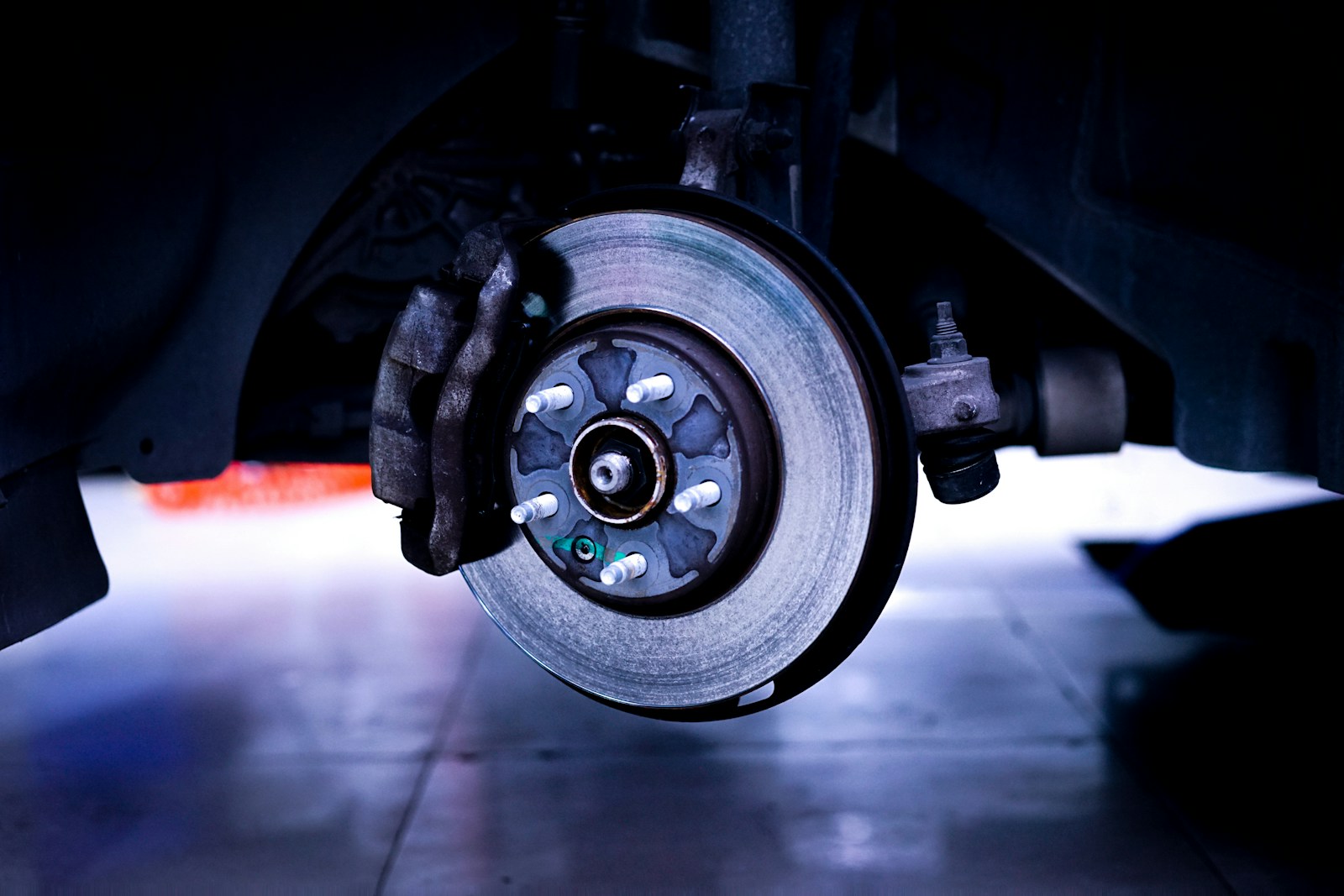
She didn’t even go in for brakes.
The Honda Pilot was in for a routine service visit—oil change, quick inspection, the kind of appointment you schedule on a lunch break and forget about until the reminder text pops up. She’d been hearing a faint squeak every now and then, sure, but nothing that made the SUV feel unsafe. No grinding, no shaking, no “your heart drops into your stomach” noises when you hit the pedal.
Then the dealership advisor came back with that tone people recognize instantly: polite, professional, and already halfway into “how would you like to pay?” They told her the Pilot needed a “complete brake overhaul.” Total: $8,400. And they didn’t say it like a suggestion—they said it like a fact, like the car was basically rolling around on bare metal.
The estimate that didn’t match the drive
The number wasn’t just high; it was the kind of high that makes you stop hearing the rest of the sentence. The advisor slid the printed estimate across the counter and started pointing with a pen, line by line, like it was a restaurant bill and he was walking her through the “chef’s tasting menu.” Front brakes, rear brakes, rotors, pads, calipers, fluid, hardware—everything branded as “urgent.”
She asked the obvious question: why? The Pilot didn’t pull to one side, the pedal wasn’t spongy, and she’d had brakes done before on other cars—she knew the vibe of a vehicle that’s actually at the end of its stopping life. The advisor kept repeating that the “inspection results” showed significant wear and that it “wouldn’t pass” or “wouldn’t be safe,” phrased in that careful way where it sounds like a warning without being a guarantee.
He also did that thing where he offered to “work with her” on the total, which somehow made it feel worse. Like, if it’s genuinely dangerous, why are we negotiating? He mentioned financing options. He mentioned how busy they were and how they could squeeze her in if she decided “today.”
The awkward pressure at the service counter
She didn’t blow up, at least not there. She asked for the inspection sheet, the measurements, anything concrete—pad thickness, rotor measurements, something more than scary adjectives. The advisor produced numbers, but they were delivered fast and loose, like they were meant to sound technical rather than be understood.
When she hesitated, he pivoted to imagery. “You’ve got a family vehicle,” he said, glancing at the waiting area like he was picturing kids in booster seats. The implication hung in the air: if you don’t do this, you’re choosing risk. It’s a brutal tactic because it doesn’t need to be explicit to work.
She asked if she could take the car and think about it. That’s when it got tense. Not dramatic, not shouting—just a subtle tightening. The advisor’s smile flattened a bit and he said, “We can’t stop you,” but he said it like he wished he could, like she was walking away from a cliff edge while he held up a sign that said JUMP.
She left with the estimate in her bag and that itchy feeling in her chest, the one that comes from being told you’re irresponsible in a polite voice. On the drive home, the brakes felt exactly the same as they had on the way in, which didn’t soothe her so much as irritate her. If the car was supposedly on the brink, why did it feel… normal?
Second opinion, different universe
Instead of calling around to other dealerships, she went to a local independent shop someone in her neighborhood swore by. Small building, crowded lot, phones ringing, one of those places where the waiting room has old coffee and a stack of magazines from three years ago. She told them what the dealership said, and she didn’t even have to exaggerate—the number did the work for her.
The tech didn’t laugh, not out loud, but his face did that tiny shift that reads like “okay, sure.” He told her they’d look it over and asked if she’d mind waiting a bit because they were slammed. She agreed, and she sat there with the estimate paper folded and unfolded in her hands until it got soft at the creases.
When they pulled the wheels, the story started changing immediately. The shop brought out the pads and showed her the material left—plenty. Then they explained the measurements in plain language, not just numbers: you’ve got about 60% life left on the pads and rotors. Not “maybe.” Not “borderline.” They were nowhere near the end of service life.
It wasn’t one of those situations where the independent shop says, “Oh yeah, it’s fine,” and you wonder if they’re just trying to earn trust. They showed her. They explained what they’d replace when it actually needed replacement. They even pointed out what a worn rotor looks like and why hers didn’t qualify.
The receipt that made it worse
The indie shop charged her for an inspection and sent her on her way. No upsell, no “while we’re in there,” no theatrical sighing. The final bill was the kind of number you can pay and still buy groceries afterward.
That’s the moment it flipped from confusion to anger. If the dealership was off by a little, fine—mistakes happen, techs disagree, measurements vary. But this wasn’t a gray area. This was “your brakes are basically gone” versus “your brakes are more than halfway there.”
She went home and pulled out the dealership estimate again, reading each line item slower this time. “Complete brake overhaul” wasn’t even a real diagnosis so much as a vibe. And $8,400 wasn’t “expensive parts”; it was a whole narrative: the dealership telling her she had a crisis and conveniently offering the solution, right there, right now.
She did what a lot of people do when they’re trying to convince themselves they’re not crazy: she started documenting. She took photos of the indie shop’s measurements, asked for the readings in writing, and kept the original dealership paperwork. It wasn’t about revenge as much as it was about grounding herself—proof that she hadn’t misunderstood, proof that she hadn’t heard wrong.
The call back to the dealership
She called the dealership and asked to speak with the service manager. Not the advisor, the manager. When she got through, she kept it controlled and specific: she’d been told she needed a full overhaul for $8,400, and an independent shop measured the pads and rotors at about 60% life remaining. She asked, calmly, how that happens.
The manager’s response wasn’t a confession; it was a fog. He said inspections are “subjective” and that they “err on the side of safety.” He suggested maybe the independent shop had different standards, or maybe they didn’t measure the same way, or maybe she misunderstood what “complete” meant.
She offered to email the indie shop’s measurements. That’s when the tone reportedly shifted into something a little sharper, a little more corporate. The manager didn’t want to debate it; he wanted it to go away. He offered a “reinspection” if she brought the car back, which to her sounded like a rerun of the same play—come back into the building, get put in the chair, and see if the story changes.
She asked if they’d refund the diagnostic fee or put something in writing explaining why they quoted what they quoted. He wouldn’t. He kept circling back to “recommendations” and “safety.” The conversation ended without a resolution, just that sterile feeling of talking to someone trained to be un-helpful without sounding rude.
What stuck with her wasn’t just the money—it was how close she came to believing it. The quote wasn’t delivered like a scam; it was delivered like authority, wrapped in concern, with a pen tapping the paper and the subtle suggestion that hesitating made her careless. She didn’t get some clean victory at the end, no dramatic apology or admission, just a folder of paperwork and the uncomfortable knowledge that if she’d been having a stressful week, or if she’d been less confident, she might’ve signed the line and driven away $8,400 lighter for brakes that weren’t even close to done.