

He only hesitated for a second when his brother asked. It was a weekday afternoon, the kind where the house is half-noisy from kids coming and going, and the other half is quiet because Dad’s trying to squeeze in life admin between shifts. The brother’s pitch was simple: one quick errand, fifteen minutes, tops.
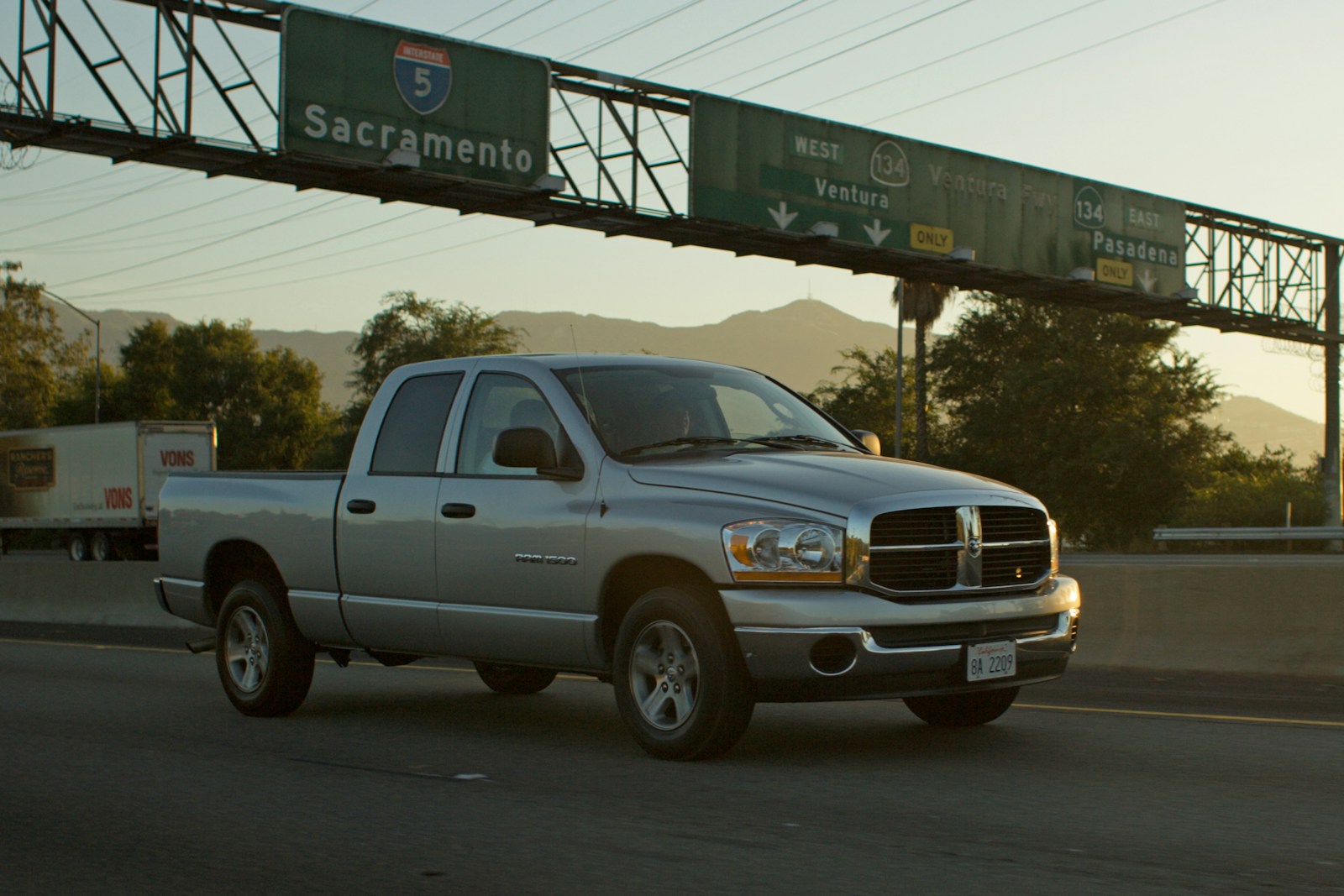
The truck mattered to him, though. It wasn’t some shiny showroom thing, but it was his—paid down, maintained, the one reliable piece of equipment that made everything else work. He’d taught his oldest how to wipe it down after muddy soccer games, and he had this thing about keeping the cab clean, like a small island of order in a chaotic week.
His brother knew that about him, which is part of why the ask felt a little loaded. He didn’t say “please” in a normal way; he said it like it was obvious Dad would say yes. And Dad did, because it’s his brother, because family favors are a kind of currency, and because he didn’t want to start a whole thing over what sounded like a harmless run to the hardware store.

“Just for a quick errand”
The brother showed up empty-handed and casual, no tie-downs, no gloves, not even the basic “Hey, is there anything I should know?” question people ask when they’re borrowing something they didn’t pay for. Dad handed over the keys and did the usual quick rundown anyway—gas gauge, the slightly sticky passenger door, the fact that the truck had a new bumper bracket that was still settling. His brother nodded, already half turned toward the driveway.
Dad asked where he was headed, mostly out of habit. The brother said something vague—“out by Mike’s place” and “just gotta grab something”—and then tossed in a “Don’t worry, I’ll be right back.” It wasn’t a lie exactly, but it had that slippery feeling of someone who wanted the conversation to end before more questions appeared.
Fifteen minutes stretched to forty-five. Then to an hour and a half. Dad tried not to hover, but he kept checking the window every time a car went by, partly because he needed the truck later and partly because, once someone is late returning your stuff, your brain starts writing stories for them.
He texted once, light and normal: “Everything good?” The reply came twenty minutes later: “Yep.” No details, no ETA, no “sorry.” Just “Yep,” like Dad was annoying him for asking.
The truck comes back… different
When the truck finally rolled into the driveway, Dad knew something was wrong before the engine even shut off. The tires looked like they’d been dipped in chocolate frosting. Mud clung in thick, uneven slabs inside the wheel wells and along the running boards, the kind of mud that doesn’t happen from a puddle in a parking lot.
The brother hopped out like nothing, keys dangling from one finger. He didn’t do the little look-back people do when they’re returning something and checking if they left it the way they found it. He just walked up, handed the keys over, and said, “All set.”
Dad opened the driver’s door and immediately got hit with the smell—wet earth and that sour, damp fabric smell that lingers. There were muddy boot prints stamped into the floor mat, and the passenger side wasn’t any better. A smear of dirt ran up the inside panel like someone had swung a leg in without even pretending to wipe their feet.
Then he saw the bumper. The front corner had a crack that wasn’t there before, and the bumper sat just a hair off, like it had been nudged hard enough to shift but not hard enough to fully hang. Dad stared at it for a second, slow-processing the fact that his brother had managed to damage the truck on a “quick errand” and hadn’t mentioned it once.
The non-apology apology
Dad tried to keep his voice steady, because his kids were within earshot and he didn’t want to blow up in front of them. He pointed at the bumper and asked what happened. His brother didn’t even look where Dad was pointing at first—he gave that shrug people do when they’re already committed to not taking it seriously.
“It’s fine,” his brother said, like the bumper crack was a cosmetic choice. Then, after a beat, he added, “I might’ve tapped something. It’s not a big deal.” The way he said it made “tapped” sound like a leaf brushing the plastic, not a hit hard enough to crack it.
Dad gestured toward the cab. “And the mud?” he asked. He didn’t raise his voice, but you could hear the disbelief in it—the kind that comes from realizing someone knows your boundaries and stepped over them anyway.
The brother’s face shifted into mild annoyance, like Dad was being precious. “Dude, it’s a truck,” he said. “Trucks get dirty.” He followed it with a little laugh, like that should end the conversation, and then immediately started talking about something else—what a mess the road was, how people out there drive like idiots, how he had to take a shortcut because of construction.
Dad waited for the obvious next line—“Sorry, I’ll clean it,” or “I’ll pay to fix that.” It didn’t come. The brother kept standing there, relaxed, hands in pockets, like he’d returned a library book.
Where he actually took it
When Dad pressed him—calm but direct—about where he’d been, the brother’s story got more specific in the way it does when someone’s cornered. It wasn’t a hardware store run. It was out to a buddy’s property where the driveway turns into a rutted trail, the kind that looks fine until you’re suddenly sliding through wet clay.
He’d used the truck to haul something “real quick,” which turned out to be a small load of scrap and a couple of uneven pieces of lumber. He didn’t ask if Dad was okay with that, and he didn’t mention he’d be driving through mud deep enough to splash onto the door panels. The cracked bumper, he admitted, happened when he tried to back up and “caught it on something,” as if the truck had maliciously placed an obstacle behind him.
Dad’s frustration wasn’t just about the mess or the damage. It was the casual entitlement—the assumption that Dad’s vehicle was basically communal property, and any consequences were just part of the vibe. The brother talked like Dad should be proud the truck was used for “real stuff,” like clean floors and intact bumpers were signs Dad didn’t know what a truck was for.
Dad pointed out the obvious: he wasn’t mad the truck did truck things. He was mad his brother borrowed it under one premise, used it under another, and then returned it like he’d done Dad a favor. That’s when the brother’s tone hardened, because now it wasn’t about the truck anymore—it was about being challenged.
The fight that sticks to everything
The brother pivoted into defensiveness, the kind that comes out as offense. “So you’re really gonna act like this?” he said, and Dad could feel the conversation slipping into that familiar family groove where the person who caused the problem acts like the person reacting is the problem. Dad told him he wanted the bumper fixed and the interior cleaned, and his brother immediately made it sound like a personal attack.
He tried bargaining without actually offering anything: “I’ll spray it out later,” “It’ll wash off,” “You’re being dramatic.” But he still wouldn’t say sorry, not even the quick, low-cost version that lets everyone exhale. The longer Dad waited for it, the more it became the central issue—because if his brother couldn’t even manage the basic respect of apologizing, what was Dad supposed to do next time?
What made it worse was how quickly the brother tried to recruit the rest of the family into it. Within a day, Dad was getting those sideways check-in calls that aren’t really check-ins: “So… what’s going on with you and your brother?” Someone had already framed it like Dad was holding a grudge over “a little dirt.” Nobody seemed to be leading with “Hey, did he crack your bumper?” which told Dad exactly what version they’d heard.
Dad didn’t ban his brother from the house or go scorched-earth. He just got quiet in that specific way people do when they realize kindness is being mistaken for weakness. He cleaned the mud himself because he needed the truck the next morning, scrubbing the mats with a stiff brush while replaying the whole exchange in his head like a bad song stuck on repeat.
And that’s where it sat: a cracked bumper he hadn’t caused, a mess he hadn’t made, and a brother who acted like the only real problem was Dad’s audacity to care. The truck got cleaned, but the tension didn’t—because the damage wasn’t just plastic and mud, it was the uncomfortable new understanding that “one quick errand” was really code for “I’ll do what I want, and you’ll deal with it.”
More from Steel Horse Rides: