

She didn’t walk onto that used car lot looking for a thrill. She walked in with a cracked phone screen, a daycare pickup deadline, and the kind of exhaustion that makes you accept “good enough” way faster than you should. Her old sedan had started doing that thing where the temperature gauge climbs in traffic, and she couldn’t keep risking being stranded with her kid in the back seat.
The dealer clocked all of that in about ten seconds. He talked to her like he was doing her a favor—soft voice, lots of “I’ve got you,” lots of nodding at her kid’s car seat like it was a sacred object. He kept saying the same three words: “clean, safe SUV,” and he said it with the confidence of a guy who’s said it to a hundred people and never had to prove it.
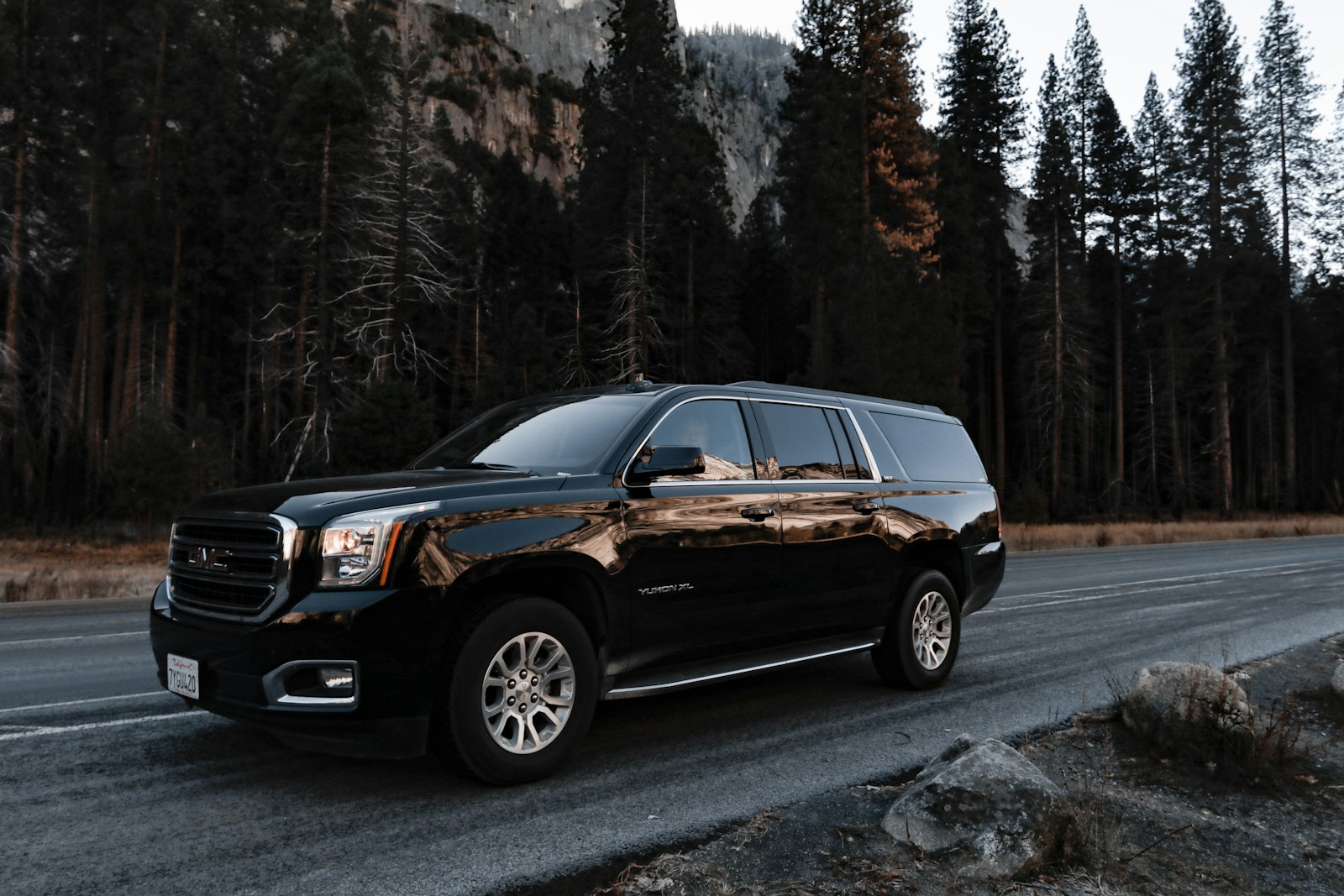
The SUV was a mid-size crossover that looked fine from a distance: shiny black paint, fresh-looking tires, interior that smelled aggressively like lemon cleaner. He pointed out the backup camera, the Bluetooth, the “great visibility,” and he made a little show of tapping the dash and saying, “No lights, no issues.” She asked if it had ever been in a wreck, and he gave her that practiced laugh like she’d asked if it had ever been to the moon.
The pitch: “It’s a mom car, you’ll love it”
He had a whole script ready. He told her it had been “well taken care of,” that it had “just been serviced,” and that the previous owner “upgraded” to something bigger. When she asked for a vehicle history report, he said he could “get one later,” but not to worry because his shop “already checked everything.”
She hesitated anyway, because the price felt too friendly for how new it looked. That’s when he switched into urgency mode—someone else had looked at it yesterday, he had another appointment later, and “these clean ones don’t sit.” He offered to knock a little off if she could do the paperwork today, like he was letting her in on a secret.
The test drive was short and curated, the kind that keeps you off rough roads and away from long idle times. It drove smooth enough, and the dealer filled every silence with reassurance. When she mentioned she wasn’t great with cars, he told her, “That’s why you’re here. I’m not gonna let you leave with something unsafe.”
By the time she signed, she felt more relief than excitement. She wasn’t picturing weekend road trips; she was picturing not missing work because her car died. The dealer shook her hand like they’d done something meaningful together, and she drove home thinking, for once, she’d managed a grown-up problem without it blowing up.
The first warning: the light that wouldn’t stay off
It didn’t even make it a full week. She was in a grocery store parking lot, loading bags while her kid fussed, when she noticed the check engine light glowing like a tiny curse. Her stomach dropped in that immediate, specific way it does when you realize a “fixed” problem isn’t fixed at all.
She called the dealer from the driver’s seat, trying to keep her voice level. He told her it was probably “just a sensor,” that sometimes they “trip” after a battery change, and to swing by when she had time. He said it so casually that she almost believed him, until she asked if she should be driving it and he said, “Yeah, yeah, you’re fine,” a little too fast.
When she brought it in, they cleared the code and sent her away with a smile and a “see, easy.” No paperwork, no explanation beyond “it happens.” The light came back on the next day, during school drop-off, as if the car was offended by being ignored.
This time she didn’t call the dealer. She went to a local mechanic recommended by a coworker—the kind of small shop with old calendars on the wall and a waiting room that smells like coffee and rubber. She told them the dealer said it was minor, and the mechanic made a face that wasn’t dramatic, just tired.
The mechanic’s pause: “Where did you buy this?”
The mechanic plugged in the scanner and watched the screen for a second longer than normal. He didn’t say much at first, which made it worse. Then he asked, carefully, “Did they give you a Carfax or anything like that?”
He took it for a quick look underneath, and when he came back he had that tone people use when they’re trying not to ruin your day but they have to. He pointed out corrosion where it shouldn’t be, weird residue tucked into seams, and water lines in places that don’t get water unless something goes very wrong. He said it looked like flood damage.
She blinked at him like he’d used the wrong word. Flood damage was something that happened to other people on the news, not something you accidentally bought between daycare and a grocery run. He didn’t argue with her disbelief; he just said, “I’m telling you what it looks like,” and pulled out a flashlight to show her the spots.
Then he dropped the part that made her sit down hard in the plastic chair: the vehicle history, when he ran it through his system, wasn’t just “a little messy.” It showed the SUV had been declared a total loss—twice. One was marked flood-related, and another total came later like the car had been resurrected and killed again.
The paperwork games: “That report isn’t always accurate”
She went back to the dealer with printouts and a shaking hand, trying to keep it businesslike. She wasn’t screaming; she was doing that tight-voiced thing people do when they’re trying not to cry in public. She told him she wanted to unwind the deal, because she’d been sold a “clean, safe SUV” that had been totaled twice and had signs of flood damage.
He didn’t flinch the way an innocent person might. He leaned back, glanced at the papers like they were a menu, and said, “Those reports aren’t always accurate.” He told her the car had passed their inspection and that “title brands get mixed up all the time,” which wasn’t even a real sentence, just words arranged to sound soothing.
When she pointed out the corrosion and the water lines, he shrugged and said, “It’s an older vehicle, stuff happens.” He offered to “take a look again” and maybe “replace a sensor,” like the issue was a $30 part and not a history of being written off by insurance companies. He kept sliding the conversation away from refunds and toward repairs, because repairs keep the sale alive.
She asked why he never showed her the history report when she requested it. That’s when he got a little sharper, saying she signed the papers and the vehicle was sold “as-is.” He tapped the contract with one finger like it was a magic spell, and he told her he couldn’t be responsible for what a third-party database says.
The ugly reality: “As-is” doesn’t mean “anything goes”
Now she was stuck in that miserable middle space: the SUV was technically drivable, but every time she turned the key she felt like she was gambling. Flood cars don’t always fail immediately; they fail unpredictably, in electrical gremlins and corroded connections that show up when you need the car most. She started listening to every new noise like it was a warning.
She called the lender, because she hadn’t paid cash; most single parents don’t have that luxury. The lender’s tone was polite and useless: they financed a vehicle, not a promise. If she wanted out, she’d have to fight it with the dealer or pursue whatever consumer protection options existed in her state.
She went through the documents again and noticed how carefully the dealer’s language danced around specifics. “No known issues,” not “no issues.” “Inspected,” not “certified.” “Clean,” used like a vibe instead of a verifiable condition. The kind of paperwork that looks normal until you’re staring at it at midnight, trying to find a sentence that saves you.
And the worst part was how personal it started to feel. The dealer hadn’t just sold her a bad car; he’d sold her the idea that he was looking out for her because she was a mom. He’d watched her trust him, watched her kid climb into the back seat, and still handed her keys to something that looked safe until it didn’t.
In the days after, she kept circling the same questions, because there wasn’t a clean answer. How did a car get totaled twice and end up on a regular lot with a friendly pitch and fresh lemon scent? How many people had to look the other way to get it there? And how many times was she going to buckle her kid in, see that dashboard light wink back on, and wonder if “as-is” was just another way of saying you’re on your own now?
More from Steel Horse Rides: