
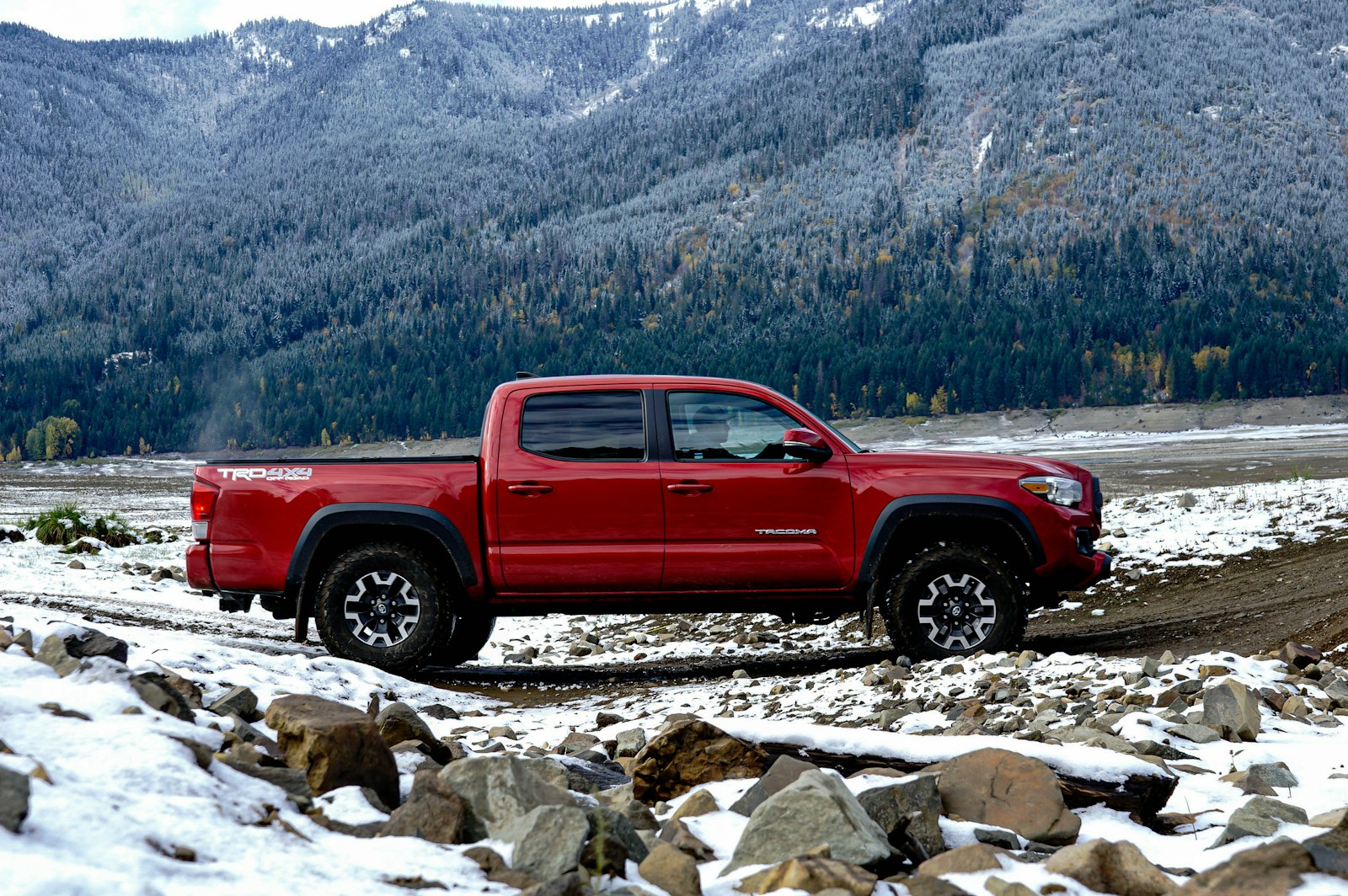

It started the way a lot of “good deal” truck stories start: a guy staring at photos on his phone at midnight, zooming in on wheel wells like he’s doing forensic work. The listing was clean, the price was just low enough to feel like a win, and the dealer had one of those reassuring, practiced lines ready when the buyer asked the obvious question. “Light farm use,” the salesman said, like that phrase came with a warranty.
The buyer wasn’t naïve. He’d grown up around rural stuff and knew “farm truck” could mean anything from “hauled feed twice” to “spent seven years dragging cattle trailers through a swamp.” But the dealer kept it soft and vague in a way that felt intentional: owned by an older couple, mostly highway miles, they “just used it around the property.” The truck looked straight, the cab didn’t smell like an old barn, and the bed had a liner that conveniently hid most of the sins.
So he did the thing people do when they’re excited and slightly scared they’ll lose the deal: he believed just enough. He signed the papers, drove it home, and spent the first hour doing the proud-new-owner routine—parking it in the driveway at different angles, hitting the lock button twice, sending a couple of photos to friends who didn’t ask. Then he did one small, normal thing that cracked the whole story open.

The “light farm use” pitch
The buyer had asked directly about prior work. Not in a confrontational way, more like someone trying to calibrate expectations: any towing, any livestock, any flooding, anything weird? The dealer didn’t deny it had been on a farm; he just made it sound like the gentlest possible version of a farm. “Light use,” “well maintained,” “always serviced,” and the big closer: “It’s not one of those beat-to-hell ranch trucks.”
What made it extra believable was that a few things did check out. The paint wasn’t sunburned, the interior wasn’t ripped up, and the dash lights all behaved. Even the pedals didn’t look like they’d been sanded down by a million muddy boots, and for a truck in that price range, that felt like proof.
He did a quick walkaround at the lot, checked for obvious leaks, and crawled under enough to see it wasn’t dripping. The dealer kept him moving, though, in that friendly way that still counts as pressure. “You can take your time,” the guy said, while also steering him away from anything that would take time.
The first clue was the vents
That night, after the paperwork adrenaline wore off, the buyer did what any normal person does when they’ve just bought a used vehicle: he started cleaning. He wasn’t even detailing; it was more like wiping down the console, pulling out the random gravel from the cupholders, making it feel like his. When he turned the fan on high to blow out whatever dusty smell was lingering, he noticed little wisps moving inside the vents.
At first he thought it was just fuzz or that weird gray lint that collects in older vehicles. Then he pinched one between his fingers and it didn’t smear like dust. It was hair—coarse, stiff, and not the fine kind you get from a dog riding shotgun.
He grabbed a flashlight and angled it into the vent slats, and the beam caught more of it. Tufts, packed down in the corners like it had been blown in and never fully worked out. He pulled one out with tweezers and held it up, and it looked exactly like what it was: cow hair.
That’s when the “light farm use” phrase stopped sounding harmless. It started sounding like a loophole.
Manure under the bedliner
The vent thing could’ve been an accident, he told himself. Maybe the owner wore a jacket around livestock and it shed. Maybe they transported feed and the hair clung to bales. He tried to keep his brain from doing that spiral where every detail becomes evidence, but then he remembered the bedliner.
Bedliners are great, sure, but they’re also the world’s best hiding spot for whatever someone doesn’t want you to see. The buyer had admired how clean it looked—no gouges, no rust peeking through, no stains. The next day, in daylight, he decided to lift a corner just to satisfy the itch in his mind.
It didn’t pop up easily. The liner felt like it had been sitting there for a long time, pressed into shape. When he finally pried it loose, the smell hit him first—not overpowering, but unmistakable, like old compost that got rained on and baked dry.
Underneath wasn’t just dirt. It was layered, textured grime that didn’t belong in a truck bed unless the truck had been doing truck-bed things in the grossest category. There were dried clumps stuck in seams, and in the creases near the wheel wells it had that flattened, fibrous look of manure that had been ground in and forgotten.
He just stood there for a second, staring like the truck had tricked him personally. Then he did the thing nobody wants to do: he scraped a little with a plastic trim tool to confirm his own senses. It broke apart exactly how manure breaks apart when it’s been dry a long time, and there was no pretending it was “soil.”
The awkward return to the dealer
He didn’t go back immediately. He took photos first, because he knew how this goes when you show up with a complaint and the other person’s job is to make you sound unreasonable. He shot close-ups of the hair in the vents, the underside of the liner, the clumps in the bed seams, and even a video where he lifted the mat and the camera caught the grime like a reveal.
When he finally went back to the dealership, he tried to keep it simple. “You said light farm use,” he said, and showed the photos without a speech. The salesman’s face did that quick reset people do when they’re surprised but can’t admit surprise because they’re at work.
The dealer didn’t go full denial. He went with the softer version: surprise, concern, and a lot of “huh, that’s strange” like manure magically appears under bedliners sometimes. He suggested maybe the truck had been traded in from a rural area and “picked up some stuff,” and then offered the most dealership solution imaginable: they could have their detail crew “take a look” and “clean it up.”
That’s when the buyer got more specific. Cleaning wasn’t the point—trust was. He wasn’t just grossed out; he felt like he’d been sold a story, and the story was the product. “If it was used for livestock, just say that,” he kept circling back to, and the salesman kept circling away.
They walked out to the truck together, and the salesman did that hands-on-hips stare into the bed like he’d never seen a bedliner before. He poked at the liner edge, then said something about “previous owner” and “we can’t always know everything.” The buyer didn’t buy that, because the dealer had known enough to label it “farm use” without being asked twice.
Receipts, fine print, and the fight over “as-is”
Things got sharper when the buyer asked about returning it. The dealership’s tone changed, not dramatically, but in that unmistakable way where friendliness becomes policy. The word “as-is” appeared, and once that word’s on the table, it’s like talking to a sign instead of a person.
The buyer pointed out that “as-is” doesn’t mean “say whatever you want.” He wasn’t complaining about a squeak or a worn tire; he was saying the usage was misrepresented. The salesman countered with the classic: they never claimed it wasn’t on a farm, they said “light farm use,” and that could mean different things to different people.
That line—“different things”—is where it got personal. Because to the buyer, “light farm use” meant maybe it carried fencing supplies and got dusty. It did not mean cow hair embedded in the HVAC system and manure sealed under a liner like somebody tried to preserve the evidence.
The manager came out, and the manager was smoother. He offered a compromise: free detailing, a cabin air filter replacement, maybe even an ozone treatment like they were dealing with cigarette smoke. The buyer asked if detailing included removing the liner and cleaning down to bare metal, and the manager hesitated just long enough to answer the question without answering it.
They also started poking at paperwork. Was “light farm use” written anywhere? Was there any “no livestock” promise? Of course it wasn’t written, because it never is, and the buyer knew that now with that sinking feeling of hindsight. Everything important had been verbal, floating in the air until it disappeared.
He left without a resolution, because there wasn’t one waiting for him behind the counter. He’d either accept the cleanup and keep a truck he no longer trusted, or he’d escalate—complaints, legal threats, whatever leverage he could find—knowing it could turn into months of stress over what was, in the dealer’s eyes, basically “dirt.”
What stuck with him wasn’t just the smell or the hair. It was how quickly the story shifted from “we’re honest folks” to “we never technically said,” like the truck came with a script and he’d just triggered the next page. And every time he turned on the AC after that, he couldn’t stop picturing those vent tufts hiding in the dark, waiting to drift out again—little reminders that the argument wasn’t really about cleaning, it was about whether “light farm use” was a description or a dodge.
More from Steel Horse Rides: