

If you want honest advice about a car, ask the people who fix them every day. A dealership service team did just that in a short clip shared by @brandon_honda, asking its shop technicians a simple question: which car brand would you not buy in 2026? The caption promised the techs did not hold back, and the answers have drawn more than a thousand comments from drivers eager to say whether their own brand made the list.
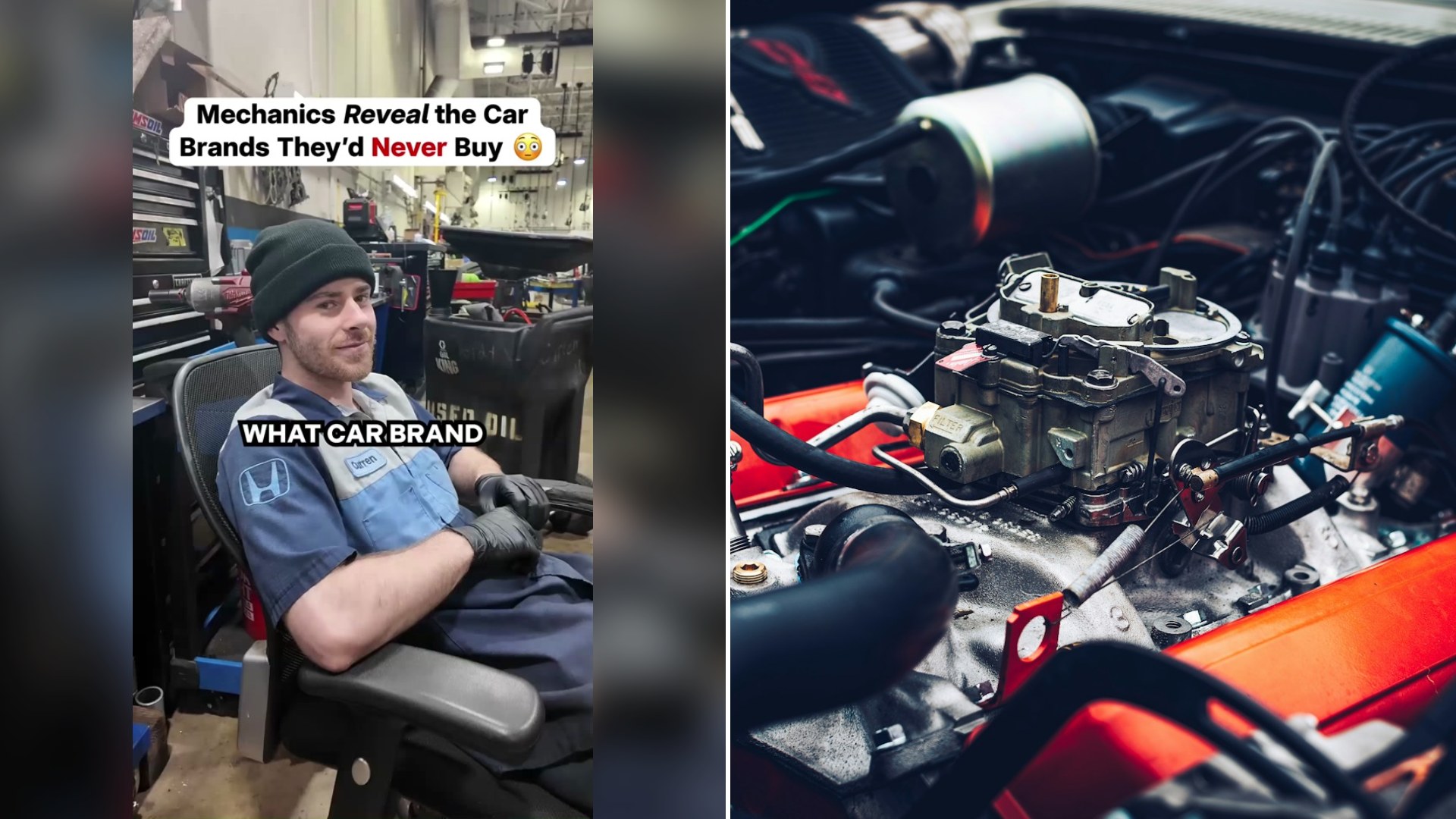
Before anyone gets worried about the car in their driveway, it is worth looking at what was actually said, and then at how to turn a few strong opinions into smart shopping decisions.
@brandon_honda
What the technicians said
The format is quick. The same question gets asked over and over to different members of the shop, and each one answers in a sentence or two.
- The first technician says he would not buy a Chevy. Another voice agrees, saying his first three cars were Chevys and that they were all garbage in his experience.
- The next says he would not buy a Hyundai right now.
- Another says he would not buy a Jeep, adding that in his view they are just not going to last you anything.
- One tech says Ford.
- The last one jokes that he would not buy a Mazda, just so he can have all of the brands covered.
Notice that these are personal opinions, offered in a few seconds, and that the question was about what each tech personally would avoid in 2026. It is not a formal ranking, and none of the answers come with numbers or repair records. The video comes from a Honda dealership page, and the caption invites viewers to tell the shop what they drive and see whether their brand made the list.
Why mechanics have such strong opinions
It is easy to see why people trust what technicians say. They spend all day with vehicles that are broken, and they see the same repairs over and over. A tech who has replaced the same part on a dozen cars of one model will remember it. That experience is valuable. At the same time, it has limits worth keeping in mind.
- They mostly see cars that have problems. A shop sees the cars that break, not the thousands of identical cars that run for years without a visit.
- Experience can be local. A technician who works in a dealership network sees certain brands and certain model years much more than others.
- Personal history matters. One person’s bad luck with three cars does not automatically make a brand bad.
- Brands vary a lot by model. Every maker builds some excellent vehicles and some less impressive ones, and model years can differ enormously within the same nameplate.
In other words, treat comments like these as a reason to ask more questions, not as the final answer.
How to research a brand before you buy
If a list like this makes you nervous, here are practical steps that give you a clearer picture of a specific vehicle.
- Look at the exact model and year. Search for the specific engine and transmission combination you are considering. A brand’s reputation can swing from one generation to the next.
- Check for recalls. The federal vehicle safety agency has a free lookup tool where you enter a VIN and see any open recalls. Do this for every used car before you buy.
- Read owner feedback with a grain of salt. Look for patterns that repeat across many owners, not a single angry review.
- Ask an independent mechanic. A local shop that works on many brands can tell you what they see and what repairs cost.
- Get a pre purchase inspection. For a used car, paying a shop to look it over is one of the best investments you can make.
- Review the service history. A well maintained car of any brand is a better bet than a neglected one from a famous name.
- Consider the cost of ownership. Look at insurance, fuel, tires and typical repair costs, not just the sticker price.
Maintenance beats reputation
Here is the part that surprises many drivers. How a car is cared for often matters more than the badge on the front. Regular oil changes, fluid services, tire rotations and quick attention to warning lights keep nearly every brand on the road longer. A neglected vehicle from the most trusted maker can be a headache, while a carefully maintained one from a brand with a mixed reputation can go a long way.
Some simple habits help whatever you drive:
- Follow the maintenance schedule in the owner’s manual.
- Keep records of every service so the next owner, or you, can prove the history.
- Do not ignore a warning light or a strange noise. Small problems tend to grow.
- Use a shop you trust and build a relationship with them.
Join the conversation
The shop asked drivers to share what they drive, and the comment section is the place to do it. Every brand has loyal fans and unhappy owners, and a quick look at what neighbors and friends say about their own cars is a reminder that experiences differ widely from one driver to the next.
The takeaway is simple. A few strong opinions from the service bay are worth listening to, but they are one piece of the puzzle. Do your own homework on the specific vehicle, get it inspected, and keep it maintained. That plan will serve you better than any list, no matter whose name is on the hood.