
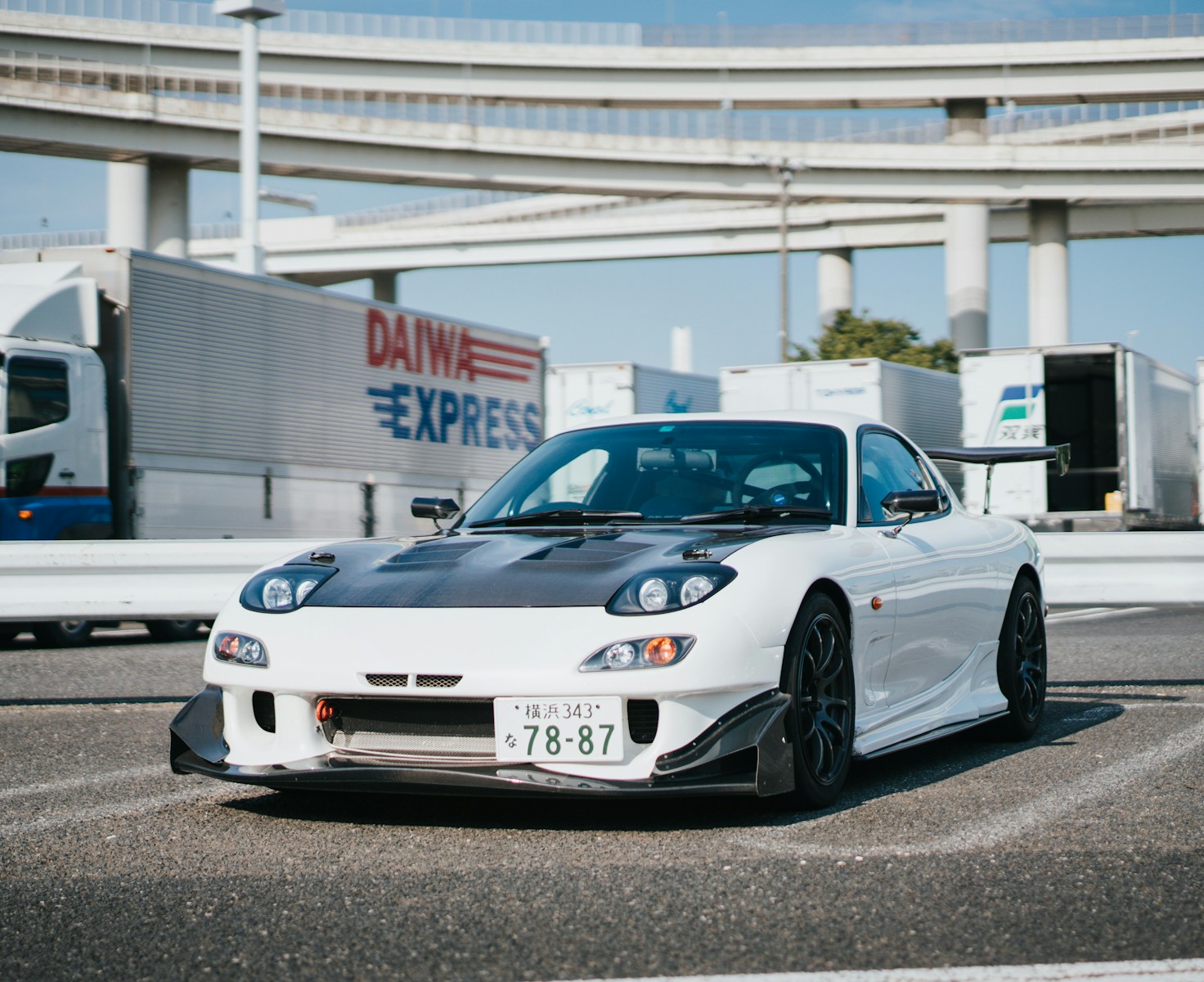

Rotary engines have spent five decades earning a reputation for eating apex seals, burning oil by design, and rewarding anyone who skips regular maintenance with an expensive rebuild. None of that has stopped the Mazda RX-7, particularly the third-generation FD built from 1993 to 1995, from turning into one of the more consistent six-figure stories on the collector auction circuit. A 1993 RX-7 R1 sold for $127,000 in late August 2026, and a 2001 Mazda RX-7 Type RZ brought $120,000 that same spring, real sales that show serious money chasing a car whose engine architecture was never built with longevity as the priority.
The Reliability Reputation Is Real, and So Is the Money
The RX-7 FD’s Wankel rotary uses apex seals pressed against the housing at every rotation, a design that wears faster than a conventional piston engine and has always demanded strict oil-change intervals and, on some examples, added oil injection just to keep the seals lubricated. That mechanical reputation is exactly why so much of the current auction activity concentrates on low-mileage, well-documented cars rather than the model broadly. Across the wider FD market, the average sale price sits at $48,657, according to sales data tracked by Classic.com, a number that includes plenty of tired, high-mileage project cars alongside the clean ones.
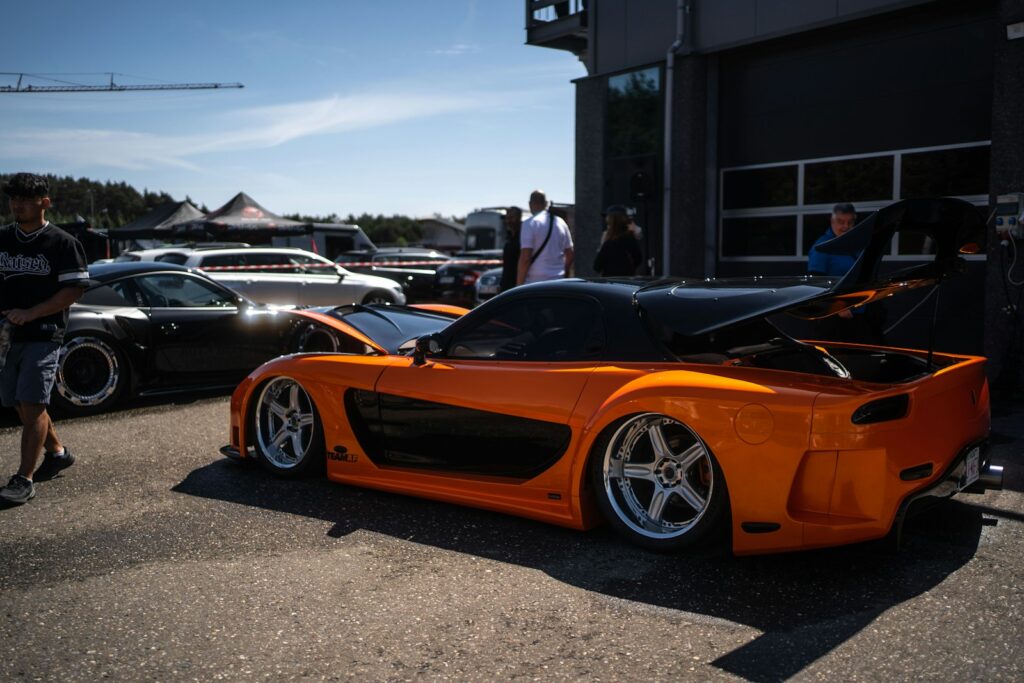
It’s the specific rare trims and the specific pristine examples that are breaking six figures with real regularity. Besides the R1 and Type RZ sales above, a second 1993 RX-7 R1 sold for $99,900 in Charlotte in May 2026, per the same Classic.com sales tracking, putting three separate R-series or RZ-trim cars over or near the six-figure mark within roughly a year of each other. Meanwhile, Classic.com’s tracked data shows the lowest recorded FD sale at just $15,500 for a rougher 1994 car, underscoring how wide the gap has become between a driver-quality RX-7 and a documented, low-mile special edition of the same generation.
The R1 and R2 packages, and the Japan-market Spirit R and Type RZ trims that have since become eligible for U.S. import under federal age-based rules, were always built in smaller numbers than the standard base and Touring trims, with sportier suspension tuning and less sound-deadening weight. That combination of genuine scarcity and a real mechanical difference, not just a badge, is precisely the profile auction buyers keep paying up for, and the RX-7’s rarest trims happen to have plenty of it.
Hagerty Has Watched This Happen in Real Time
In 2024, a 1994 RX-7 FD Touring with under 4,600 miles sold for $70,000 on Bring a Trailer, a new public auction record for the generation at the time, according to Hagerty Media’s coverage of the sale. Greg Ingold, a Hagerty vehicle data specialist, said finding a comparable low-mileage example would be difficult and that “the FD RX-7 is a favorite amongst rotary enthusiasts,” noting he wasn’t surprised the right car in the right color set a record price.
Then, in 2025, a screen-used RX-7 from the “Fast and Furious” franchise sold for $1.2 million, a figure Hagerty Insider attributed heavily to Hollywood provenance rather than a pure reflection of what a standard FD commands. It’s an outlier, not the baseline, but it shows how far the ceiling on this platform has already moved in a market that, on paper, is built around an engine most owners have been warned away from for thirty years.
Rarity Is Beating Fragility
What’s happening with the RX-7 mirrors a pattern that has shown up before with other mechanically demanding Japanese performance cars: once a generation stops being made and the surviving well-kept examples get rare enough, the reputation for needing constant attention stops scaring off serious buyers and starts working in the car’s favor instead. A rotary that’s been babied for 30 years, with receipts to prove it, is now treated as more valuable specifically because everyone knows how many were driven hard and rebuilt cheap, or not rebuilt at all. The RX-7 FD isn’t overcoming its reputation for mechanical fragility so much as it’s being priced because of it, with buyers now willing to pay a real premium specifically for proof that a given car dodged the wear the design was always known for.