
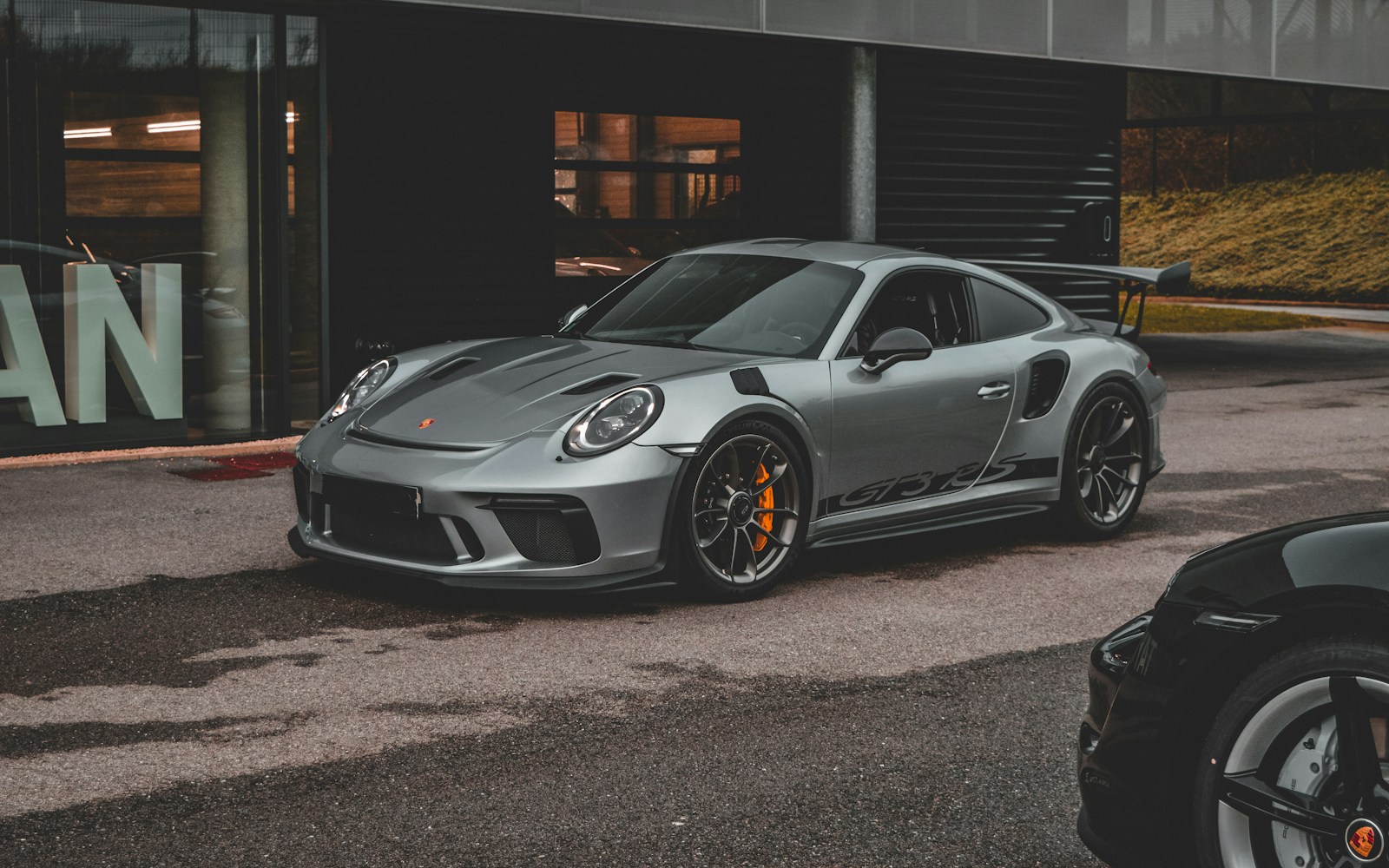

A new 2026 Toyota Camry starts at $30,495, and Kelley Blue Book’s Fair Purchase Price data puts most trims between $30,200 and $36,500 out the door. Kelley Blue Book’s own used-vehicle valuations show a 2003 Porsche 911 Carrera Coupe worth $18,800 trade-in and $22,100 private party — thousands less than the Camry sitting on a Toyota lot right now. The crossover isn’t a rumor or a rounding trick. It’s a specific generation of 911, roughly 21 to 24 years old, and the data shows exactly where it happens.
The 996 Generation Is Where the Line Gets Crossed
Porsche built the water-cooled 996-generation 911 from 1999 through 2004, and KBB’s valuation pages track that entire run trading well under new-Camry money. A 2002 base Carrera Coupe lists at $16,950 trade-in and $17,800 private party. A 2003 comes in at $18,800 and $22,100. A 2004, the final 996 model year, sits at $19,450 and $22,200. Every one of those figures is lower than a Camry’s $30,495 sticker, and most are lower than even the cheapest Camry trim’s fair purchase price.
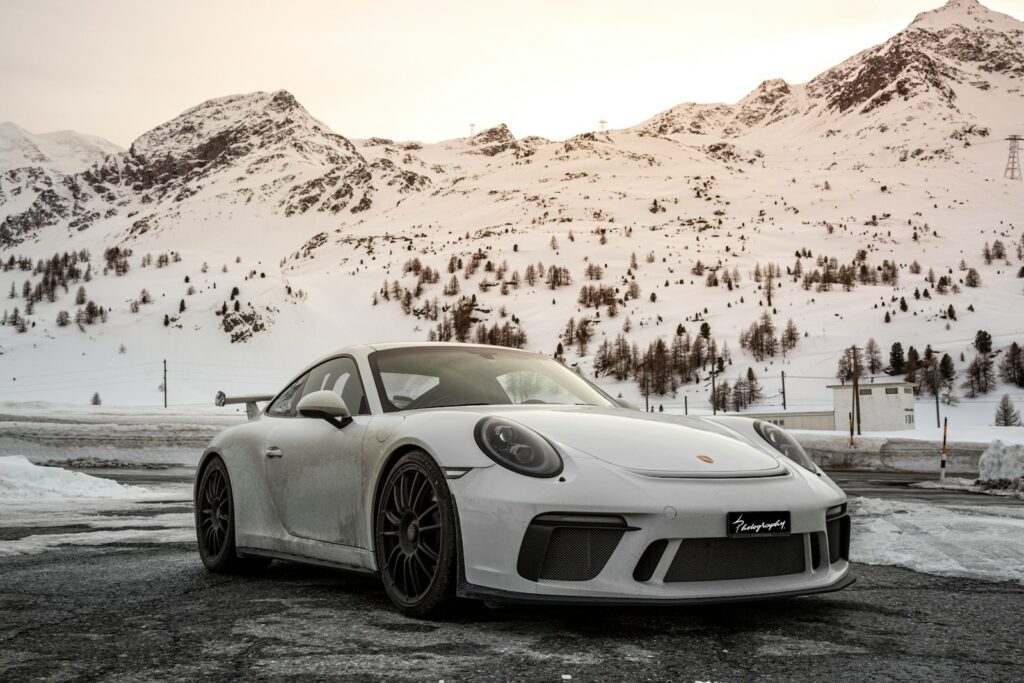
One Model Year Later, the Math Flips Completely
The generation change matters more than the calendar. Porsche moved to the 997-generation 911 for 2005, and KBB’s data for that model year shows trade-in values starting around $37,800 and private party values from roughly $42,100 up to $51,300 depending on trim — more than double what a 2004 car brings, despite the two cars being only a year apart in age. Push forward to a 2010 911 and private party values climb as high as $79,600 for a Turbo Cabriolet, with even a base Carrera Coupe holding near $42,900. The 996 cars are the trough of the curve; everything newer climbs back out of it fast.
Why This Particular Generation Bottoms Out
The 996 has a specific reputation problem that keeps its values compressed relative to every 911 generation around it: its intermediate shaft (IMS) bearing, used on 3.4-liter and 3.6-liter engines built between 1998 and 2005, carried failure rates as high as 8% according to evidence disclosed in a related class-action lawsuit — a defect serious enough to total the engine on an unlucky example. That risk gets priced in. Buyers who’d happily pay 997 or 992 money for the shape and the flat-six soundtrack discount the 996 specifically because of a mechanical question mark that a Camry buyer never has to think about — and that discount is exactly what pushes the 996’s resale value below a brand-new mainstream sedan’s sticker price.
Age Predicts It Better Than Mileage Does
KBB’s figures are built from national averages for “typical mileage” at a given age rather than a single odometer cutoff, and Porsche buyers skew toward garage-kept, weekend-driven cars more than commuter sedans do — which means two 996s with wildly different odometer readings can land close to the same valuation. That’s why the real crossover signal here is the calendar, not the trip counter: cross from a 2004 into a 2005, and the number jumps by tens of thousands of dollars regardless of how many miles either car has covered. A high-mile 996 and a low-mile one are both cheap for the same reason — they’re the same generation, carrying the same IMS-bearing discount.
What Both Cars Actually Deliver at That Price
Spend $30,495 on the Camry and you get a warrantied, current-generation, hybrid-available family sedan with zero miles and zero history to research. Spend $18,800 to $22,200 on a 996 Carrera and you get a rear-engine, naturally aspirated sports car with a manual-transmission option, a 911 badge, and two decades of somebody else’s ownership to verify before you sign anything. The Camry’s price buys certainty. The 911’s price buys performance and pedigree, with the burden of due diligence — a pre-purchase inspection focused specifically on that IMS bearing — shifted entirely onto the buyer.
The Curve Doesn’t Stay Down for Long
What the KBB numbers really expose is how narrow this window is. Go one generation older into the air-cooled 993 and 964 cars and values run back up into collector territory, since those generations have become appreciating classics rather than depreciating used cars. Go one generation newer into the 997 and the price roughly doubles in a single model year, as the data above shows. The 996 sits alone in a pocket where a mechanical stigma and old-enough depreciation overlap just long enough to make a genuine sports car cheaper than a new Camry — and buyers who understand why that window exists are the ones positioned to use it before it closes for good.