
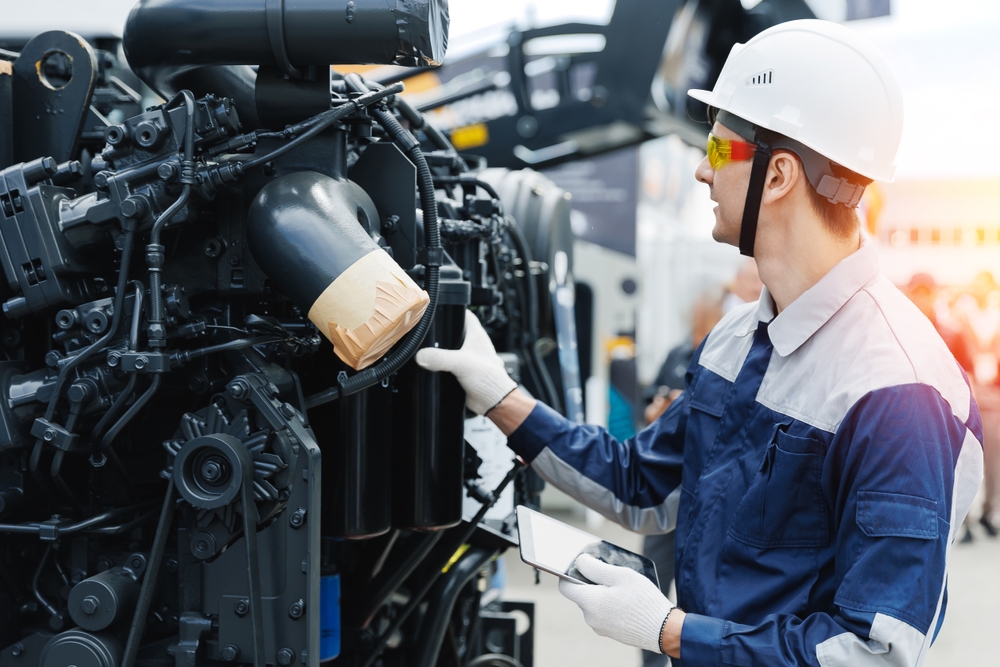

The diesel tech didn’t even get the Ram warmed up before the story started sounding weird. The truck was a 2018 Ram 2500, big enough to tow a house, and the customer was describing it like it had a mind of its own. “Sometimes it just goes,” the dad kept saying, like he was talking about a dog that slipped the leash.
They’d been calling it “phantom acceleration” for months, and the way the family told it made it sound almost supernatural. No warning lights. No consistent trigger. One day it would surge pulling out of the neighborhood, another day it would lurch at a stoplight, like it couldn’t decide whether it wanted to be parked or sprinting.
The service writer had already heard the greatest hits: “We replaced the pedal sensor,” “We cleaned the throttle body,” “We took it to another shop and they couldn’t recreate it.” The dad’s voice had that tired edge people get when they’re about to start sounding crazy, and they know it. The mom stood a step back with her arms folded, not arguing, but not exactly backing him up either.
The problem that never showed up when it mattered
The dealership had seen the truck more than once, and that was part of what made everyone tense about it. Every time it came in, it behaved like an angel. The techs would hook up scan tools, check codes, run it through the usual throttle and transmission checks, and nothing would fault.
That’s the thing about intermittent issues: they turn a normal customer into an amateur detective and a normal shop visit into a debate. The dad had started filming the dash with his phone, trying to catch the RPM jump when it happened. He’d keep saying, “I’m telling you, it’s real,” like he was arguing with a jury.
And the shop wasn’t shrugging him off, exactly. The service department just couldn’t bill hours on a ghost. The tech who finally got assigned to it this time was one of the diesel guys who’d seen every kind of “my truck is haunted” claim, from bad grounds to floor mats to loose battery connections that only failed when you hit a pothole at the right angle.
When the family dropped it off, the dad had a list. It was handwritten, a little crumpled, with dates and notes like “7/12—surge leaving Target” and “8/3—lurch backing out of driveway.” The mom asked, quietly, if the truck was safe to drive at all, and the service writer did that careful customer-service pause where you can tell he’s choosing words that won’t come back to bite him.
The ride-along that made everyone nervous
The tech didn’t want to play the “can’t duplicate” game again, so he asked for a ride-along. The dad perked up immediately, like finally someone believed him. The mom looked relieved and annoyed at the same time, which is a pretty common expression when you’re dealing with a problem that’s eating money and time.
They went out on the same loop the family always drove: a few stop signs, a mild hill, a stretch of road where you’d naturally give it a little throttle. The tech drove first, listening, feeling for anything off in the pedal or transmission. Nothing. The truck felt like a heavy, well-maintained diesel pickup doing normal diesel pickup things.
Then they swapped, and the dad took the wheel with the intensity of someone trying not to be embarrassed. He drove with his foot hovering a little higher than usual, like he didn’t trust the pedal. At one stop sign he eased into the throttle and the truck gave a quick little jump forward—nothing dramatic, but enough to make him snap his head toward the tech like, “There. Did you feel that?”
The tech did feel it, and that was the first time the conversation changed. The dad got louder, faster, like now that there was a witness he needed to dump three months of frustration into the next five minutes. The mom didn’t say much; she just stared out the window, jaw tight, like she’d been living with this story in the house every day.
Back in the bay, the smallest clue started to look big
Once they returned to the shop, the tech did what good techs do when a problem won’t show itself: he went hunting for anything physical. Not codes. Not data. Just the plain, dumb stuff that gets overlooked because everyone wants it to be a sensor or software update.
He checked the floor mat situation first, because that’s always the obvious suspect. The mats were the right ones, clipped down, not sliding. He checked the pedal feel, the linkage, anything binding. Everything looked normal—until he got his head down near the driver’s footwell and actually looked behind the throttle pedal.
That’s where he saw color that didn’t belong. Just a sliver at first, like a plastic edge catching shop light. He reached in and his fingertips hit something hard wedged in a spot where hard things don’t belong.
He pulled, and it didn’t budge, like it was locked in. He repositioned, braced his shoulder against the seat, and tugged again. A small toy car slid out—one of those kid-sized die-cast cars, a Hot Wheels, bright and scuffed, with tiny wheels packed with lint.
The Hot Wheels reveal, and the awkward silence afterward
For a second the tech just stared at it in his palm, because it was too on-the-nose. Months of “phantom acceleration,” multiple visits, ride-alongs, stress, and the culprit was a toy jammed behind the pedal. It wasn’t even a weird failure; it was literally a physical obstruction messing with the throttle return.
He called the service writer over, not to be dramatic, but because you want another adult present when you tell a customer, “Your truck isn’t possessed, it’s full of toys.” The service writer came walking up with that cautious expression people in service departments perfect over time. Then he saw the Hot Wheels and his face did that involuntary flicker between relief and “oh no.”
They brought the dad back into the bay, and the dad walked in ready to fight. He’d been gearing up for another round of “it’s not my imagination,” and you could tell by the way his shoulders were set. The tech held up the toy like evidence.
The dad’s first reaction wasn’t laughter; it was confusion, like his brain refused to accept the simplicity. Then his face tightened, and he said something along the lines of, “That’s not… that wasn’t there.” Not accusatory, more like he was trying to rewrite the last few months in real time.
The mom stepped in behind him, took one look at the car, and went dead silent. She didn’t roll her eyes, but you could feel the energy of it. The truck was their family vehicle, which meant snacks, backpacks, spilled juice, and kids who drop things without noticing.
When the tech explained where it had been wedged—behind the throttle pedal, in the perfect spot to catch and hold it slightly open—the dad’s ears went red. He kept saying, “But how would it even get there?” like the answer wasn’t “a child” and “gravity.” The mom finally said, very flatly, “Because someone plays in the truck.”
Fallout: relief, embarrassment, and a new kind of argument
The shop did what shops do: removed the obstruction, checked for any damage, verified the pedal returned normally, and took it on another test drive. The truck behaved perfectly. No surging, no lurching, no “phantom” anything, just smooth throttle like it should’ve been the whole time.
But the fix didn’t magically turn into a feel-good moment. The dad was relieved, sure, but also humiliated in that specific way people get when they realize they’ve been insisting on a mystery that had a painfully ordinary explanation. He’d spent months describing his truck like it was dangerous, and now the “danger” fit in the palm of a hand.
The mom’s relief came out sideways. She wasn’t angry at the shop; she was irritated at the whole situation, the wasted appointments, the stress every time the truck “did it,” and the feeling that she’d been bracing for a crash that was literally caused by a toy. The dad tried to talk it off with nervous jokes, and it didn’t really land.
The tech, for his part, stayed professional, but you could tell he’d be telling this story for years. Not in a mean way—more like the way mechanics collect strange little cautionary tales. He advised them to clean out the footwell, keep toys out of the front, maybe run a quick check whenever the truck started acting up again.
And that’s where the tension lingered: the dad wanted the ending to be “we solved it,” neat and finished. The mom seemed stuck on “we could’ve gotten hurt,” which doesn’t resolve as easily. They left with a fixed truck and a Hot Wheels in a plastic bag, and the weirdest part was how small the culprit was compared to the size of the fight it had started in that family’s life.
More from Steel Horse Rides: