

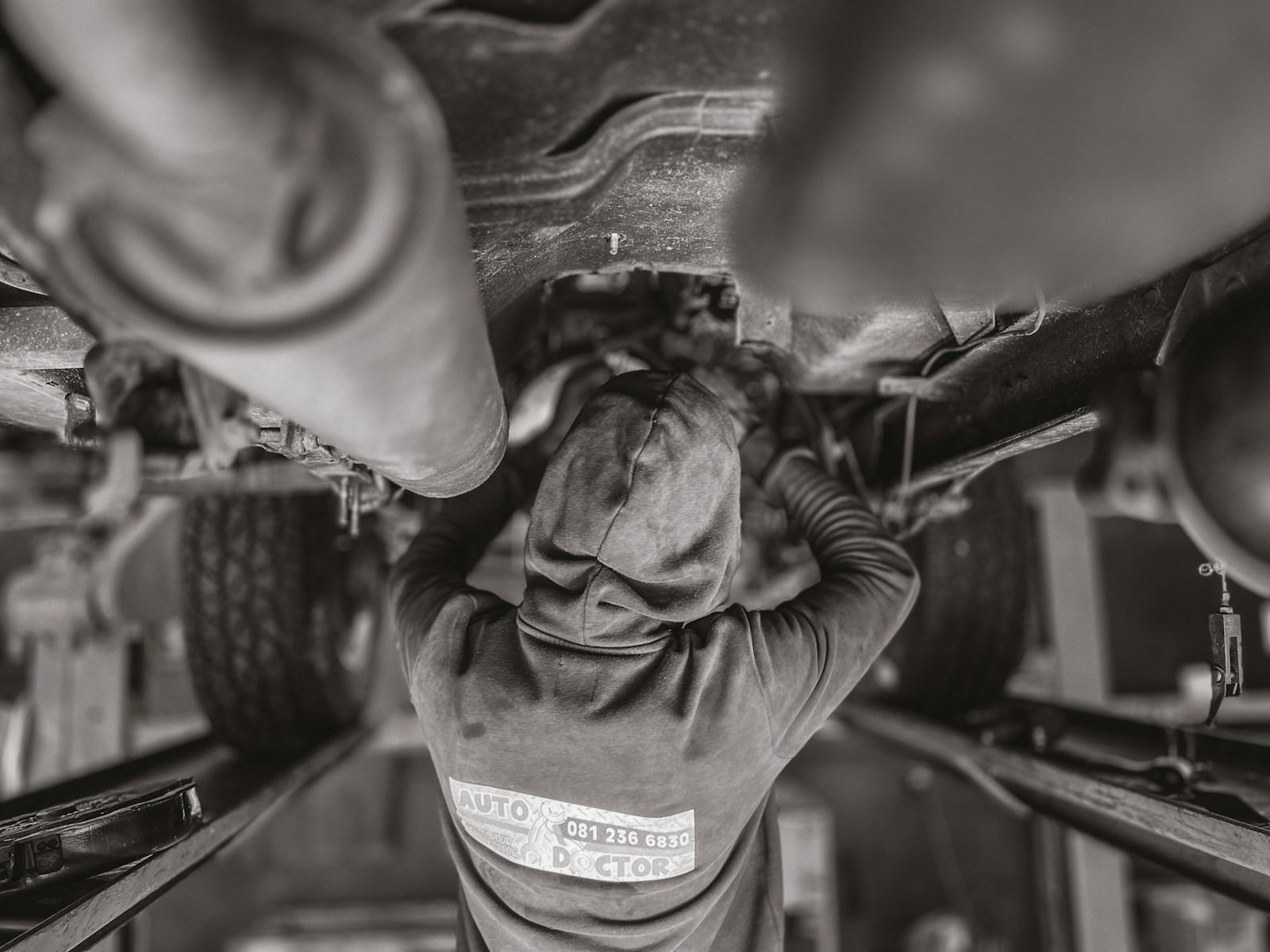
The three-quarter-ton rolled into the diesel shop looking like it had a hangover. Not the dramatic, “threw a rod through the block” kind of catastrophe—more like a constant, irritating misery: low oil pressure when it was hot, a top-end tick that came and went, and a faint shudder at idle that made the steering wheel feel like it was annoyed with you.
The owner was the kind of guy who’d already talked himself into the worst-case scenario on the drive over. He’d had the truck at another place the week before for “an oil leak and a quick service,” and ever since then he’d been watching the gauge like it was a heart monitor. He didn’t want to accuse anybody of anything, but he also couldn’t shake the timing.
The diesel tech who took the ticket didn’t do the big reassuring speech. He just asked the questions that make customers nervous—what weight oil, did the filter get swapped, did anyone mention metal in the drain pan—and then he went out to start it cold. The truck fired, settled into a rough idle, and the oil pressure climbed… then dipped in a way that didn’t match the engine speed.
The “It’s Probably Fine” Phase Ends Quickly
At first, it looked like one of those jobs that could turn into an argument just because it’s expensive and vague. Low oil pressure can be a bad sensor, a weak pump, worn bearings, clogged pickup—basically a choose-your-own-adventure where every option costs money. The owner was hovering in that uneasy middle ground where he wanted answers but also wanted the answer to be “your gauge is lying.”
The tech did the easy checks anyway, because that’s how you keep your sanity. He verified the oil level, checked for obvious leaks, and put a mechanical gauge on it to make sure it wasn’t just the dash freaking out. The mechanical gauge agreed with the dash, which is the moment everyone’s stomach drops a little.
He asked the owner, casually, if the other shop had done anything besides the oil service. “They said they topped it off and cleaned it up,” the guy told him, which is a sentence that sounds harmless until you’ve been doing this long enough to translate it to: somebody had a mess, and they wanted it to stop being their problem.
Dropping the Pan Isn’t a Guess—It’s an Admission
On a big three-quarter-ton diesel, pulling the oil pan isn’t some quick peek. It’s a commitment. It’s a lift bay, a pile of bolts that all feel slightly different, a face full of grime, and the possibility that you’re about to find glittery oil that turns the whole week into an engine rebuild conversation.
The tech didn’t sell it like drama; he sold it like honesty. “If the pressure’s actually low, we need to know why before it eats itself,” he said, and the owner signed off with that resigned look people get when they realize a “quick service” has turned into “diagnostic labor.” The truck went up, the skid plates came down, and the shop got quiet in that way it does when everyone is listening for the first curse word.
When the last bolts were out and the pan finally broke loose, it didn’t rain metal like the tech half-expected. The oil looked used but not insane, and there wasn’t a field of bearing material sitting in the bottom. For a second, it almost felt like they’d wasted their time.
Then he angled his light up toward the pickup tube.
The Rag
It wasn’t a tiny shred or a stray thread, either. It was a full-on shop rag—dark, swollen, and wedged right where oil is supposed to move freely. It looked like somebody had stuffed a cloth into a funnel, shoved the funnel into the fill neck, and then done the one thing you never do when you’re rushing: let go and forget.
The tech stared at it long enough that the other guys wandered over, because there’s a certain silence that means, “You’re not going to believe this.” He grabbed the rag with a pick, gave it a gentle tug, and it resisted like it had become part of the engine. When it finally came out, it was stringy on the end, and it had been sucked partway through the pickup like a bad decision getting slowly swallowed.
The pickup tube itself wasn’t shredded, but the screen was clogged enough to make the problem make sense. Oil couldn’t move the way it needed to, especially once everything got hot and thin. The pump was trying to drink through a washcloth.
And here’s the part that makes it personal: rags don’t teleport into oil pans. They get left behind by human hands. Somebody had put it there, and somebody had sent that truck out the door.
The Awkward Phone Call Nobody Wants to Make
The tech took pictures before he did anything else, because he’s not new. He laid the rag on a clean piece of cardboard like evidence and called the owner out from the waiting area. The owner walked back expecting bad news, then stopped short when he saw the rag and the open oil pan.
He didn’t blow up immediately. At first he did that quiet, confused laugh people do when something is so stupid it doesn’t compute. “That was in my engine?” he asked, like maybe the tech had pulled it from his pocket as a joke.
The tech explained it without turning it into a speech. The rag was blocking the pickup, causing low oil pressure, and low oil pressure on a diesel doesn’t care about your feelings. The owner’s face changed as the timeline clicked into place—the service last week, the symptoms right after, the way the other shop “cleaned it up,” the fact that nobody mentioned anything odd.
He asked, “So what, they used a rag as a funnel?” And the tech shrugged in the way mechanics do when they’re trying not to call someone an idiot out loud. There are guys who’ll stuff a rag in the fill hole to keep oil from splashing while they pour from a jug without a spout, especially if they’re sloppy or in a hurry. And if they’re even worse, they’ll forget it’s there, put the cap on, and move on to the next ticket.
The owner stepped outside and made the call to the previous shop with the kind of calm that isn’t calm. You could tell he was trying to be fair—trying to give them a chance to explain—while also trying not to say, “Did you people feed my engine a rag?” loud enough for the whole lot to hear.
Denial, Deflection, and the Cost of Being “Helpful”
The first response from the other shop, according to the tech later, was basically, “No way.” It wasn’t even a thoughtful denial; it was the reflex kind, the one that comes out before anyone’s brain catches up. They suggested maybe someone sabotaged it, maybe the rag was already there, maybe it came from a factory somewhere in a universe where engines are assembled with cotton.
The owner didn’t have the patience for alternate realities. He sent them the pictures. He told them the truck ran fine before their service, that it started acting up immediately after, and that nobody else had been under it. The other shop pivoted to the classic move: “Bring it here and we’ll take a look,” which sounds reasonable until you realize it translates to, “Bring the evidence to us so we can manage the story.”
Meanwhile, the diesel tech’s shop had a real job to finish. They cleaned the pickup screen, checked the pump for scoring, and inspected what they could see for bearing damage. It wasn’t a full teardown, but it was enough to know the engine hadn’t grenaded yet, which felt like a miracle more than a guarantee. Fresh oil, a new filter, pan resealed, everything torqued properly, and the truck fired up with pressure numbers that finally behaved like they belonged in the same family as reality.
The owner was relieved, but it wasn’t the clean relief of a solved problem. It was the jittery relief of someone who just found out his engine survived something it had no business surviving. He kept asking what long-term damage might’ve been done, and the tech couldn’t promise him anything beyond what the gauges said now. Oil starvation is one of those injuries that can heal or can come back months later, quietly, with interest.
When the owner picked it up, he didn’t celebrate. He loaded the old rag into a bag like he was taking it to small-claims court, and he asked for the invoice written up in a way that didn’t dance around the cause. The tech didn’t write “mystery obstruction.” He wrote what it was.
And the last weird part was how normal everything looked when the truck drove away. Same paint, same stance, same work-truck scuffs along the bed rails. If you didn’t know, you’d never guess there had been a rag stuffed through the pickup tube, slowly starving the engine while the owner convinced himself he was being paranoid.
What stuck with people who heard the story wasn’t just the stupidity of it. It was the idea that the most expensive failures don’t always come from heroic negligence or dramatic abuse—they come from someone being “helpful” for ten seconds, rushing, improvising, and then forgetting the one thing they added that doesn’t belong. The owner still had to decide whether he wanted to chase the last shop for money or just cut his losses, and either option meant weeks of irritation with a rag-shaped shadow over his trust in anyone who touches his truck.