


A 2024 Dodge Charger Daytona, the electric muscle car Dodge built to replace the Hemi V8, has lost 54 percent of its value in just two years, according to Kelley Blue Book’s own depreciation tracking. A 2023 Dodge Challenger, one of the last gas V8 muscle cars Dodge ever built before pulling the Hemi from production, has lost only 19 percent over three years, per KBB’s data on that model. Those two numbers, sitting side by side in the same used-car marketplace, are about as clean a verdict on Dodge’s electric transition as the resale market has delivered on any single nameplate in years.
The Electric Charger’s Depreciation Curve
KBB’s numbers on the 2024 Charger Daytona show a car losing value fast and getting faster. It shed $7,957 in its first year alone, then dropped another $25,533 in year two, for a total loss of $33,490 and a current resale value of just $28,100 against a trade-in figure of $26,200. That acceleration in the second year, more than triple the first year’s loss, is the part that should worry anyone holding one. A car’s depreciation curve is supposed to flatten as it ages, not steepen.
A real-world example makes the KBB numbers feel less abstract. Edmunds tracked one of its own long-term 2024 Charger Daytona test vehicles from purchase to sale: bought for roughly $82,000 after a dealer markup over the $85,965 sticker, then sold about a year later, with fewer than 7,000 miles on the odometer, for $35,000. That’s a $47,000 loss, close to 57 percent of the purchase price, gone in a single year of ownership. Edmunds’ own summary of the sale put it bluntly: “It was $85K when new, and we just sold it for $35K. Yeesh.”
Part of that steep drop traces back to more than just the badge on the trunk lid. Edmunds’ own long-term test notes on its Daytona flagged a list of real complaints during its year of ownership, including a “clunk” sound during acceleration, climate system noise, infotainment glitches, ergonomic frustrations, and one incident where the car’s accessory mode failed outright and required a tow truck. A first-model-year EV with build-quality complaints piling up is always going to depreciate harder than a mechanically proven, decade-refined V8 platform, and the Daytona’s resale numbers reflect both problems stacked on top of each other: it’s new technology and it hasn’t been executed cleanly yet.
The V8 It Was Built to Replace Is Barely Moving
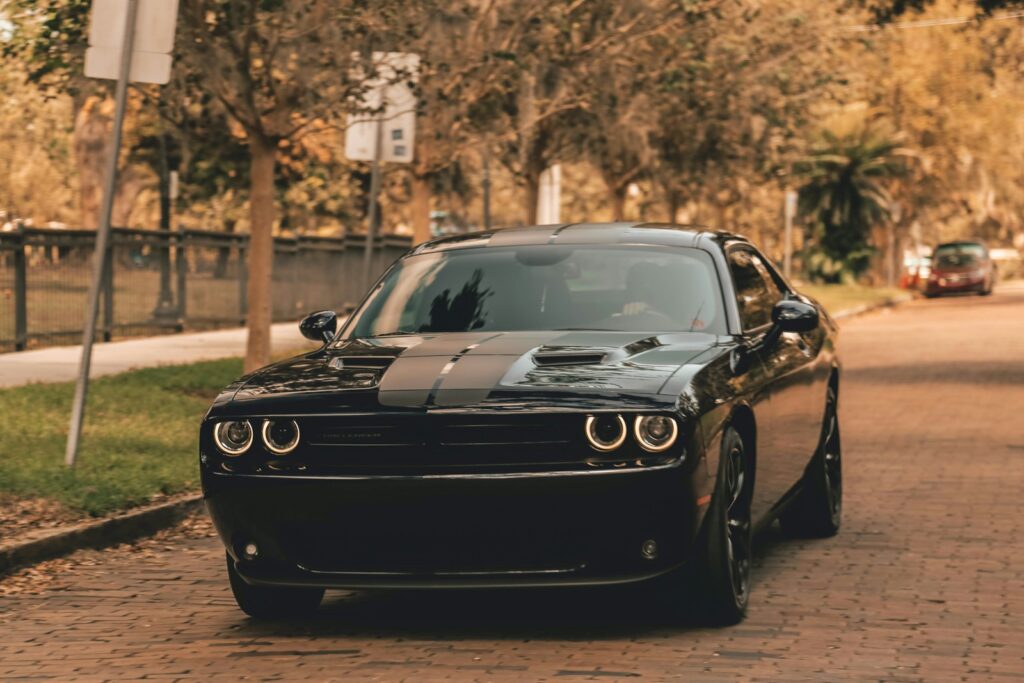
Compare that against the car whose production the Daytona was meant to succeed. KBB’s data on the 2023 Dodge Challenger, sold with the naturally aspirated and supercharged Hemi V8 engines before Dodge halted V8 production, shows a vehicle that lost $5,685 in its first year, sliding from a resale value of $29,479 down to $23,794. Over three years total, the loss comes to just $5,879, or 19 percent, with a current resale value of $23,600. Put plainly: the electric replacement lost more money in its first year alone than the outgoing V8 car lost across three full years on the used market.
Dodge Built the New Lineup Around the Electric Car
This isn’t a case of Dodge quietly phasing out an EV nobody asked for. According to Dodge’s own press materials announcing the “multi-energy” Charger lineup, the electric Daytona R/T (496 horsepower) and Daytona Scat Pack (670 horsepower) were positioned as the flagship models, with two-door coupes arriving in dealerships by the end of 2024 and four-door production following in early 2025. The gas alternative Dodge built alongside it, the Sixpack, doesn’t use a Hemi V8 at all. It’s a 3.0-liter twin-turbo inline-six Hurricane engine, offered in 550-horsepower and 420-horsepower tunes. The Hemi simply isn’t part of the new Charger’s engine lineup in any form, gas or electric.
What the resale numbers say, in effect, is that buyers haven’t caught up to Dodge’s own marketing pitch. Dodge built its flagship around the electric powertrain and gave the V8 faithful nothing to replace it with beyond a turbocharged six-cylinder, and the used market responded by letting the last Hemi-era cars hold onto most of their value while the electric flagship’s resale value collapsed in real time. That’s not a projection or an analyst’s forecast. It’s what actual buyers are paying, right now, for two cars built four model years apart under the same nameplate.