
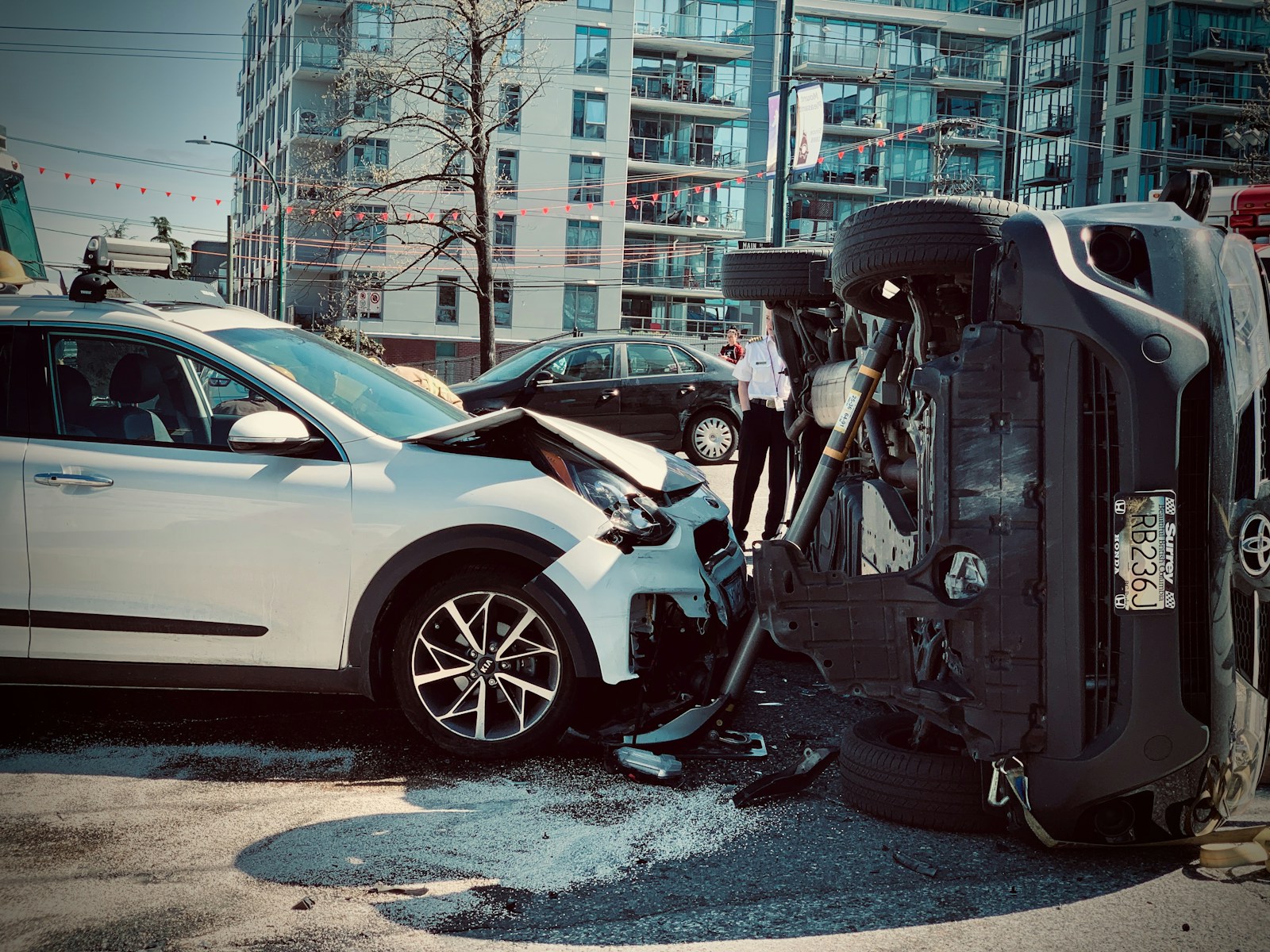

Kentucky teen drivers died in crashes at a rate of more than 50 fatalities per 100,000 licensed teen drivers during August and September between 2020 and 2024 — six times the national average — according to an NHTSA-sourced analysis reported by WKYT. That number alone reads like confirmation of the old “back to school means more wrecks” line parents repeat every fall. Pull the national data apart, though, and the real pattern is narrower and stranger than a blanket seasonal spike. Total crash volume doesn’t actually jump when the bell rings again in September. What spikes is risk concentrated in a specific driver, a specific window of the afternoon, and a specific set of states where rural roads and inexperience collide.
The National Data Doesn’t Show a September Surge
Traffic fatalities nationally track vehicle miles traveled, and miles traveled actually falls once summer road trips end. Federal data reported by WDBO shows Americans logged 288.4 billion vehicle miles in August 2023 versus 275.6 billion in September — a drop, not a jump — and fatalities historically “peak in summer, particularly in July and August,” when travel is heaviest. If you’re looking for a single nationwide crash-count spike tied to the first week of school, the raw numbers don’t produce one.
Where the Real Spike Lives: Teen Drivers, Afternoon Hours
The danger isn’t spread evenly across the calendar — it’s stacked onto specific hours once school resumes and cars fill back up with newly minted drivers. Crashes involving young drivers ages 15-20 killed 5,247 people in 2024 alone, according to National Safety Council Injury Facts data. And the timing is lopsided in a way raw daily averages hide: only 10% of teen driving trips happen between 9 p.m. and midnight, yet that window accounts for 19% of their fatal crashes. Push into the 12 a.m. to 6 a.m. stretch and it gets worse — just 1% of teen trips happen then, but nearly 15% of fatal teen crashes do. Separately, more than one in four fatal crashes involving a teen driver happens between 3 and 7 p.m., according to the federal data cited by WDBO — precisely the after-school commute window that reopens every September.
Kentucky Is the Extreme Case, and It’s Not Close
No state illustrates the concentrated risk better than Kentucky, where 31 drivers age 16 to 18 were killed in fatal crashes during just the months of August and September over a five-year stretch, per the NHTSA-based WKYT report. That works out to the aforementioned rate of 50-plus deaths per 100,000 licensed teen drivers — more than six times the national average, and well clear of the second-ranked state, Mississippi, at roughly 18 per 100,000. NHTSA has pointed to Kentucky’s rural road network as a contributing factor, though the same report notes other states with similarly rural roads post far lower numbers, suggesting road type alone doesn’t explain the gap.
Sleep and School Start Times Move the Needle Too
Drowsiness is a persistent, underrated variable in the back-to-school crash picture. NHTSA’s own analysis of school start times and teen crashes found an average of 740 fatal crashes a year involving a driver reported as drowsy, sleepy, asleep, or fatigued, based on 2008-2012 data, and cites AAA estimates that drowsy driving factors into roughly 16.5% of fatal crashes. The same NHTSA analysis offers a real-world data point on the fix: when North Carolina’s Forsyth County pushed its high school start time back from 7:30 a.m. to 8:45 a.m. in 2003, the district saw a 14% drop in the overall crash rate across the entire day — not just during commute hours.
Who’s in the Car Changes the Math
Passenger load compounds everything above. A teen driver carrying one teen passenger roughly doubles their risk of dying in a crash, and mixing in young adult passengers alongside a teen passenger multiplies that risk by a factor of seven compared with driving alone, according to NSC’s data. An adult passenger between 35 and 64, on the other hand, cuts that fatality risk roughly in half — a reminder that who’s riding along matters as much as the calendar.
None of this shows up as a tidy spike on a month-by-month crash chart, because it isn’t one. It’s a handful of narrow, high-risk windows — the after-school drive, the late-night trip, the car with two teenagers and no adult in it — that all happen to reopen at once when the first bell rings, concentrated hardest in the states where rural roads meet the least driving experience on the road.