

It happened in a matter of seconds. On a road in Greenville, North Carolina, TikTok creator @logan.powell6 captured a short clip of a Jeep slamming into another vehicle. Then, instead of pulling over, the Jeep kept going. “Yes the jeep drove away and did not stop,” he wrote in the caption. He asked other local drivers a simple question about what they had just watched: “do we think this was roadrage or a accident.” And he made one thing clear. The video “was given to the people that got hit.”
The clip runs only 11 seconds, but it captures the moment of impact and leaves plenty to debate. Was the Jeep driver angry and acting on purpose, or did they simply make a mistake and panic? The video alone cannot answer that. What it does show is a driver who did not stop after hitting someone, which is exactly the kind of situation where a bystander’s recording can make all the difference.
By handing over the footage, the creator gave the people in the other car something many hit-and-run victims never get: evidence. A clear video can help police identify a vehicle, show how the crash unfolded, and support an insurance claim when the other driver is nowhere to be found.
@logan.powell6
Road Rage or Accident, the Law Says Stop
Whatever was going on in that Jeep, the driver’s decision to leave matters. North Carolina, like every other state, requires drivers involved in a crash to stop, remain at the scene, and exchange information. When someone is injured, drivers are also expected to help get aid. Leaving the scene of a crash can bring criminal charges, and the penalties grow much more serious when someone is hurt.
The difference between road rage and an honest accident can also matter. A driver who intentionally uses a vehicle to hit someone may face far more serious charges than a driver who simply caused a fender bender. That is one reason video evidence is so valuable. It can show speed, lane position, and how the vehicles moved in the seconds before impact.
What to Do If You Are the Victim of a Hit and Run
Being hit and then watching the other driver speed away is shocking and infuriating. Here is how to protect yourself in the minutes and days that follow.
- Check for injuries first. If anyone is hurt, call 911 right away. Adrenaline can mask pain, so take a moment to check everyone in the car.
- Do not chase the other driver. Following a fleeing car puts you and others at risk, and if the crash was intentional, the other driver may be dangerous.
- Write down what you remember. Note the make, model, color, any part of the license plate, the direction the car went, and any damage you saw. Do it immediately, while the details are fresh.
- Call the police. File a report even if the damage seems minor. Many insurance companies require a police report for hit-and-run claims, and some require it to be filed within a short time.
- Look for witnesses and cameras. Ask nearby drivers and pedestrians if they saw anything. Businesses, homes with doorbell cameras, and other drivers with dash cameras may have recorded the crash.
- Photograph everything. Take pictures of your car, the road, any debris, and skid marks.
- Call your insurance company. Depending on your policy and your state’s rules, uninsured motorist coverage or collision coverage may help pay for repairs and injuries when the at-fault driver cannot be found. Ask your agent exactly what your policy covers before you need it.
How to Be a Helpful Witness
This creator did exactly what police and crash victims hope a bystander will do. If you see a crash, there are smart ways to help without putting yourself in danger.
Stay safe first. Never film while you are actively driving. If you have a dash camera running, let it record. If you are a passenger, or if you have safely pulled over, you can take video or photos.
Stop if you can do so safely. Pull off the road in a safe spot and check whether anyone needs help. Call 911 if there are injuries or if a driver has fled.
Share the details. Give police the license plate, description, and direction of travel of any vehicle that left. Offer your contact information to the victims and to the officers.
Hand over your footage. Send it to the people who were hit and to the investigating officer. Keep the original file unedited, since an untouched recording is the most useful version for an investigation or insurance claim.
Why a Dash Camera Is Worth Considering
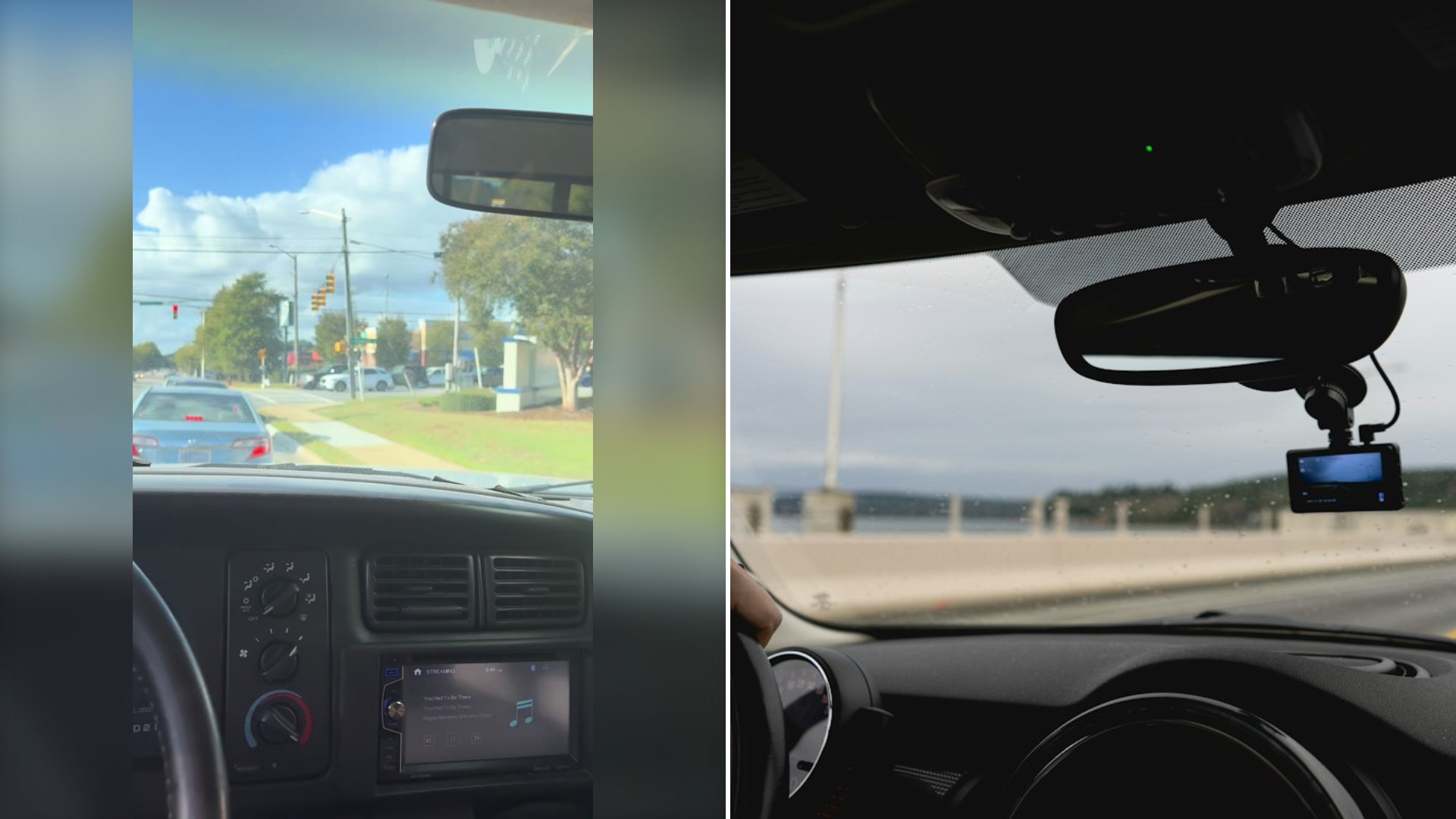
Situations like this are a big reason dash cameras have become so popular. A basic front-facing camera can be bought for a modest price and mounts easily behind the rearview mirror. Many models record continuously and automatically save footage when they sense an impact. Some also offer rear cameras, which can capture drivers who hit you from behind and then take off.
A dash camera will not stop a reckless driver, but it can turn your word against theirs into clear, recorded proof. In a hit and run, that proof may be the only way to track down the person responsible.
For the people in Greenville who got hit, the creator’s quick thinking means they are not left with just a dented car and a vague memory of a Jeep disappearing down the road. They have a recording, and that is a strong place to start.
More From Steel Horse Rides
- Pickers Checked Out A Hidden Garage Of Cars Next Door Including A Big Block 1967 Chevelle And A 1967 Corvette The Owner Refuses To Put Any Price On
- Cameras And Radar Are Making Fender Benders Cost More, With AAA Finding Driver Assistance Systems Can Add Up To 37.6 Percent To Repair Bills, Including $1,540 After A Minor Front Hit
- Gas Prices Hit A Record Autumn High Of $4.36 A Gallon In Early October, Up From $3.12 A Year Ago, With California Drivers Paying $6.34 While Ohio Drivers Pay $3.71