
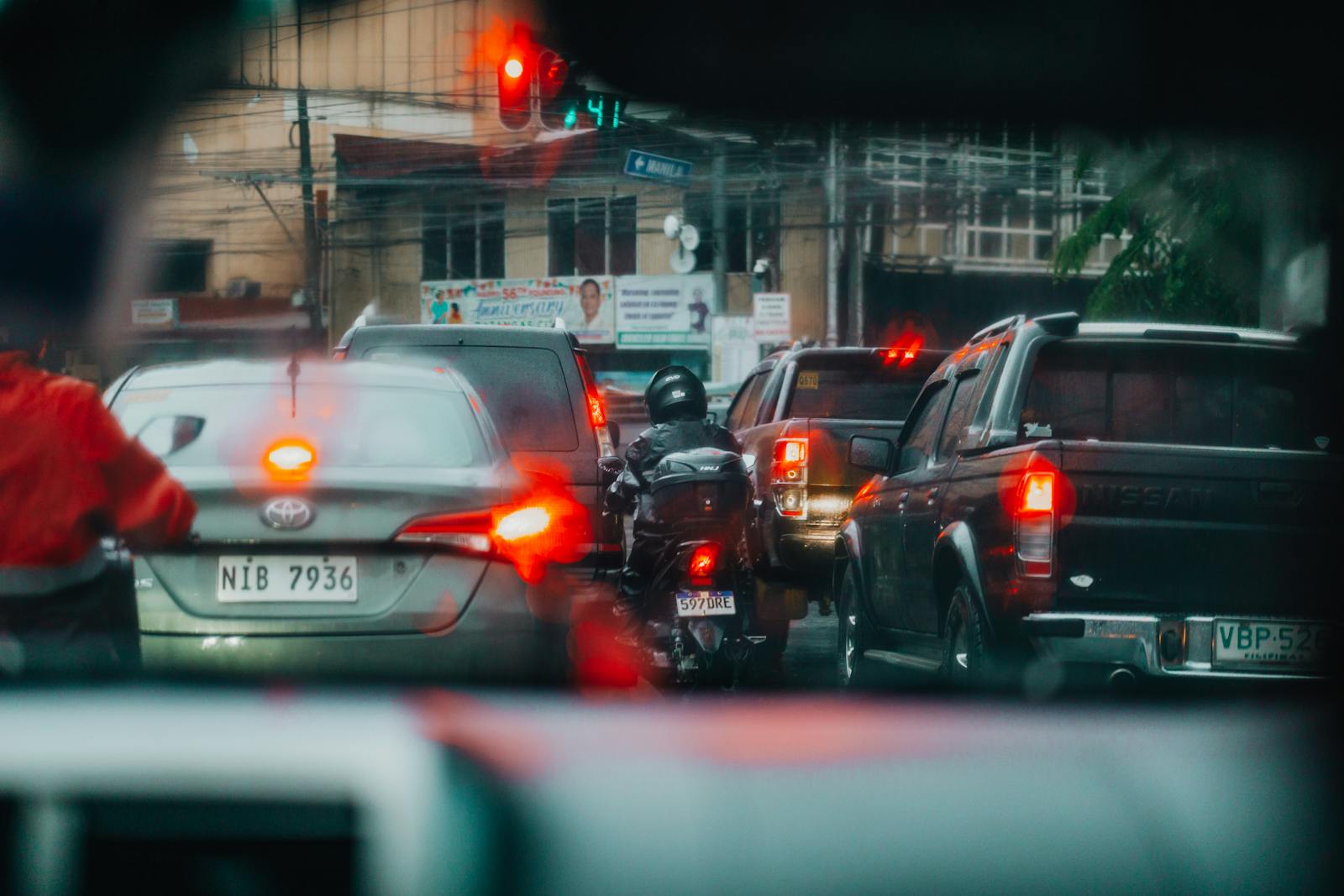

He wasn’t doing anything exotic. Just a Tuesday-night drive home in a car that still had the stale fast-food smell of a drive-thru bag on the passenger floor and the faint citrus cleaner he’d wiped the dash with earlier. The kind of boring, normal scene nobody remembers—until there are flashing lights in the mirror and your brain starts replaying every move you made in the last mile.
The driver—let’s call him Marcus—pulled over the way everyone’s been trained to: blinker on, slow down, find a safe shoulder, hands visible on the wheel. He’d been tagged for something small, an “equipment issue” that sounded like a bulb or plate light, the kind of stop where you expect a warning and maybe a mildly annoyed lecture. The officer walked up calm enough, flashlight sweeping the interior like it was a habit, not a hunt.
Then the conversation took a turn that Marcus says still doesn’t make sense even now. The officer leaned in, did that little inhale people do when they’re about to claim they’re the first person on Earth to notice a smell, and said the car “smelled suspicious.” Not “like weed.” Not “like alcohol.” Just suspicious, like the vehicle itself had a vibe.
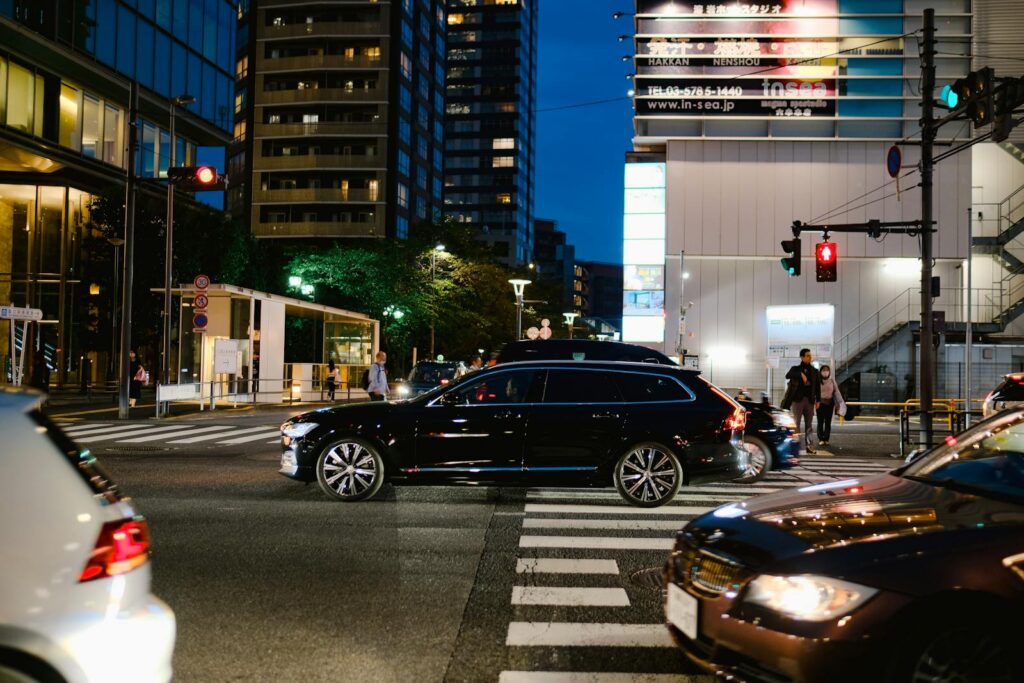
The “routine questions” that didn’t feel routine
At first it played out like a script Marcus had heard before: license, registration, insurance. The officer asked where he was coming from, where he was going, and whether there was anything in the vehicle he “should know about.” Marcus answered the way most people do when they’re nervous but trying to be cooperative—short, polite, not much extra detail.
That’s when the officer’s tone sharpened. Marcus says he tried to laugh it off, like, “Suspicious how? It’s probably just old fries,” but the joke didn’t land. The officer stepped back, looked at the car again, and repeated it, slower, as if Marcus hadn’t heard: the vehicle smelled suspicious.
Marcus asked if he was being accused of something. The officer told him to stay in the car, then immediately told him to step out. It was one of those whiplash moments where you realize the rules aren’t fixed; they’re whatever the person with the badge decides they are in that minute.
When Marcus got out, he tried to do everything “right.” Hands visible, movements slow, voice calm. He asked if he was free to go, and the officer ignored the question and asked again if there were drugs, weapons, or “large amounts of cash” in the vehicle.
“If you’ve got nothing to hide…”
Marcus says he didn’t consent to a search. He remembers that part clearly because he’d always told himself, if this ever happens, be polite but don’t volunteer your rights away. The officer nodded like he’d expected that answer, then said the magic words: based on the odor, he had probable cause.
That’s the part that made Marcus’s stomach drop, because how do you argue with a smell? You can’t produce a counter-smell. You can’t request a second opinion from the air. The officer’s claim just sat there, untouchable, and it changed the whole power dynamic in one sentence.
Another unit showed up, then another, the way “routine” stops suddenly become a little stage with an audience. Marcus stood by the shoulder trying not to look panicked while traffic hissed past. One officer kept making small talk—where he worked, whether the car was his, how long he’d lived in town—like they were chatting in line at a coffee shop instead of on the side of a highway with his door open.
Then came the curveball: they weren’t just going to search it. They were going to tow it.
From shoulder to impound: how it escalated
Marcus thought towing was for broken-down cars, DUIs, stuff like that. The officer told him it was for a “more thorough search,” and Marcus remembers asking, “A search for what?” The answer didn’t clarify anything—something about contraband, safety, policy—bureaucratic words that sounded official without explaining the actual reason.
Marcus asked if he could take his belongings out first. The officer said he could grab his phone and wallet, but to leave everything else. That’s when it hit him that the car wasn’t just transportation in that moment; it was a container of his life—gym bag, work tools, paperwork, random personal junk you never think about until someone else is deciding what you’re allowed to touch.
The tow truck arrived fast, like it had been circling. The driver hooked it up while officers watched Marcus watch them, which is a special kind of humiliating. Marcus says he felt like the whole stop had shifted from “safety” to punishment without anyone saying out loud what he’d done.
They didn’t arrest him. They didn’t even issue the citation yet. They just towed his car and told him he could either find a ride or they could “arrange” one, which didn’t sound like a favor. Marcus called a friend with shaky hands and tried to keep his voice steady, standing there under streetlights feeling like he’d been peeled open in public.
The search that kept finding nothing… and kept going anyway
At the impound lot, Marcus says he was told he couldn’t be present for the search. He asked for a receipt, an inventory, something that proved what was happening to his property, and got the kind of vague assurances that don’t actually reassure anyone. Hours turned into a long, silent stretch where nobody called him back and every ring of his phone made his heart punch his ribs.
When he finally got information, it came in fragments. They’d “looked through it.” They were “still checking.” They had “a dog coming.” Marcus kept thinking about that “suspicious smell” line because now it was doing all the heavy lifting for a process that was eating up his night, his money, and his sense of control.
The K-9 part was presented like a finale. Marcus was told the dog “alerted,” which, again, is another one of those things you can’t argue with in real time. He asked what the dog alerted on, what they found, and the answer was essentially: nothing yet, but the alert justified continuing.
Eventually, they told him they hadn’t found drugs. No weapons. No cash stash. No contraband. Just a car full of normal stuff, now spread out and handled by strangers, with the faintly smug undertone that the search itself was the point.
The bill, the damage, and the weird quiet after
Getting the car back wasn’t a simple “come pick it up.” Marcus had to pay towing and impound fees first. The number was high enough to sting but low enough to feel calculated—an amount that hurts but doesn’t sound outrageous when someone says it out loud.
When he got to the lot, the car didn’t look destroyed, but it didn’t look untouched either. Glove box hanging open. Trunk liner lifted wrong. A couple of panels not seated quite right, like someone had rushed and didn’t care if things clicked back into place. Marcus says he found a few things relocated—papers shuffled, a small tool kit dumped and repacked sloppily, random change missing in a way that made him feel paranoid for even noticing.
The original reason for the stop—the equipment issue—returned like an afterthought. Marcus says he either got a fix-it ticket or a warning, something tiny that didn’t match the scale of what happened to him. It felt like the “real” stop was always the smell and everything else was just the doorway.
He spent the next day doing the annoying adult errands you don’t plan for: calling the department to request records, asking how to contest fees, figuring out whether a complaint would matter or just paint a target on his back. He also had to explain to his boss why he’d missed work, which is its own kind of indignity because “my car got towed for smelling suspicious” sounds like a lie even when it’s true.
And that’s where the nightmare part lives, not in one dramatic moment but in the lingering, sick uncertainty. Marcus got his car back and there was no smoking-gun discovery, no satisfying “gotcha,” no clear reason beyond an officer’s nose and a chain of procedures that made everything they did feel inevitable. He’s left with a question that doesn’t have a clean answer: if “suspicious” can be a smell, how many other ordinary nights can get rerouted into impound and debt just because someone decided your car’s air didn’t feel right?
More from Steel Horse Rides: