

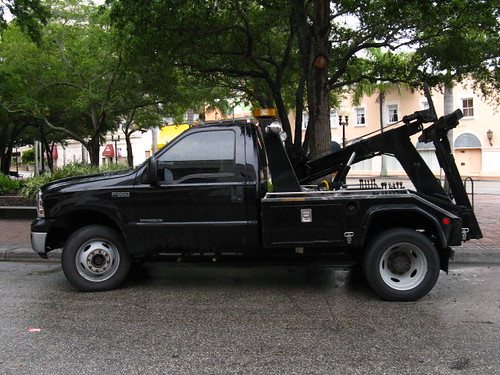
She knew something was off the second she turned into the lot and saw the empty space where her car should’ve been. Not “I parked in the wrong row” off—this was the exact spot, the same cracked curb, the same sun-faded sign above it, and the same little oil stain she’d noticed when she pulled in the night before. The only difference was the car was gone, and the space looked weirdly clean, like someone had swept it for a showing.
At first she did the normal checklist: did I lend it to someone and forget? Did it get stolen? Did I park on the other side of the building because I was tired? Then she noticed the tiny rectangle of lighter concrete where her tires had been, and that calm, creeping certainty landed. Somebody moved it, and they did it on purpose.
She called the property office, because in these places the answer is usually boring and irritating: “You were in a reserved spot,” or “Street sweeping,” or “We emailed everyone.” Instead, she got a staffer who sounded confused in a way that didn’t feel performative. The staffer asked for her license plate, put her on hold, and came back with a too-cheerful “It looks like it was towed,” followed immediately by the question that made her stomach twist: “Are you sure you were in your spot?”
The call that turned into a negotiation
The tow company’s number came with the usual warning tone from the property office, the kind people use when they’ve learned the hard way. When she called, the person who answered didn’t ask what happened—just asked for her plate and started reading off a total like it was a fast-food order. Hook-up fee, daily storage, an “after-hours release” charge she hadn’t heard of before, all stacking into “hundreds,” said quickly, said confidently.
She tried to slow it down and explain: she was in the correct spot, her permit was visible, and she had receipts showing she lived there. The dispatcher hit her with the classic: “You can dispute it after you pay.” The phrase landed like a trap, because once you pay, the argument changes from “You took my car” to “I’m asking for a refund,” and everybody knows which one companies prefer.
She asked for proof—photos, a tow slip, anything showing her car was actually violating something. The dispatcher told her the driver documented it and it was “authorized,” as if that ended the conversation. She could hear other voices in the background, the casual chaos of an office that does this all day, and the way her case was being filed mentally as “another person mad they got towed.”
Back to the spot, back to the details
She walked back out to the lot with her phone in her hand, taking pictures like she was building a case instead of trying to get to work. The sign near her space was old and half peeled, but the number was still readable. Her permit sticker was on her windshield in the photo she’d taken a week earlier when she’d bragged to a friend about finally cleaning her car; it was dumb luck, but it was something.
The more she looked, the more the story felt wrong. There were other cars parked crooked, half over lines, one with no visible permit at all, sitting undisturbed. And yet hers—the car parked neatly, in a spot she paid for—was the one that disappeared overnight.
She called the property office again and asked who authorized the tow. This time she got a manager who sounded irritated, not at her, but at the idea of being pulled into it. He said they only authorize tows for specific violations and asked her which space she’d been in. When she told him, he paused and said, “That’s… not one of the spaces on the tow list from last night.”
The tow yard standoff
She didn’t have a lot of options, so she went to the tow yard anyway, partly to confirm the car was even there. The place looked like every tow yard does—chain-link fence, faded signage about “NO TRESPASSING,” cars packed in like neglected shopping carts. Through the fence she spotted her car, and the wave of relief was instantly replaced by anger when she realized it looked completely normal, like it had been grabbed for sport.
Inside the office, the vibe was transactional to the point of hostility. They slid a form toward her and asked for payment like it was inevitable. She told them she wasn’t paying until they showed her what rule she broke, and the person behind the glass did that tired sigh people do when they want you to feel embarrassing for asking questions.
They printed out the tow ticket and pushed it toward her. It listed the wrong spot number—one digit off, the kind of mistake that sounds small until it’s your car behind a fence. She pointed at it and then pointed at the documents on her phone, and for the first time the tone in the office changed from bored to defensive. The employee said, “That’s what the driver wrote,” like the pen itself was to blame.
“Pay now, argue later” starts to crack
She asked them to call the driver, or their supervisor, or whoever could explain how a car from one spot ends up ticketed as if it was in another. The response was the same loop: payment first. It’s not that they were yelling; it was worse than that—calm repetition, the feeling of being steered back onto a path they’d built for people who don’t have leverage.
So she did what people do when they’re about to get steamrolled: she started naming things out loud. She said she’d already spoken to property management, that the space number on the ticket wasn’t on the authorized list, and that she was requesting photos. She also asked, very clearly, for a written breakdown of the charges and the exact reason for tow, because she wasn’t going to hand over a few hundred dollars for a “because we said so.”
That’s when the employee hesitated and went into the back. It wasn’t dramatic—no slamming doors—but it was the first time the script broke. When they came back, they didn’t have photos, just a different tone, softer around the edges, like someone had told them this might actually be messy.
They said, carefully, that “it’s possible the driver wrote down the wrong space.” Not that the car was taken from the wrong place, not that they were wrong—just that maybe a number got mixed up. And then they dropped the line that made her laugh in the worst way: even if it was a mistake, she’d still need to pay to release the car, and “then we can look into it.”
Getting everyone on the phone, all at once
She stepped outside the office and called the property manager again, putting him on speaker. The manager, now fully awake to the situation, asked the tow company to confirm who authorized the tow and for what space. The tow company employee kept answering in generalities, and you could hear the manager’s patience thinning with every vague sentence.
There was an awkward stretch where the tow company employee kept saying they “followed protocol,” and the manager kept repeating, “Protocol requires authorization for the correct space.” It wasn’t a shouting match so much as a tug-of-war over language. The tow company wanted to make it about procedure; the manager wanted to make it about one very specific, very wrong number.
Finally the tow company conceded a little more ground. They admitted they didn’t have photo evidence readily available and that the paperwork might not match the actual pickup. They still didn’t say “We took it from the wrong spot,” but they said enough that it sounded like they were preparing an escape hatch.
What they offered next felt like a half-solution designed to stop the bleeding: they could “waive some fees” if she paid the rest, or she could wait while they “reviewed” it, which would mean her car stayed in storage accumulating charges. The choices were both bad, and that was the point. She could practically feel the clock ticking in the shape of a daily storage fee.
In the end, she got the car released without paying the full amount, but not in a way that felt like a clean win. It was more like the tow company realized they were standing too close to admitting fault and decided to slide the situation sideways before it turned into something bigger. She drove out of the yard feeling shaky, like someone had tried to pick her pocket and then acted offended when she slapped their hand away.
The thing that stuck with her wasn’t just the money—it was how easily the story could’ve ended differently if she didn’t have pictures, if the property manager didn’t bother to check the tow list, if she’d needed the car so urgently she’d paid without thinking. The tow company never really owned the mistake; they just softened around the edges once it became inconvenient to stay rigid. And the last detail she couldn’t stop thinking about was the tow ticket with the wrong spot number, sitting there like a typo with a price tag, as if one digit was all it took to make your whole day disappear.