

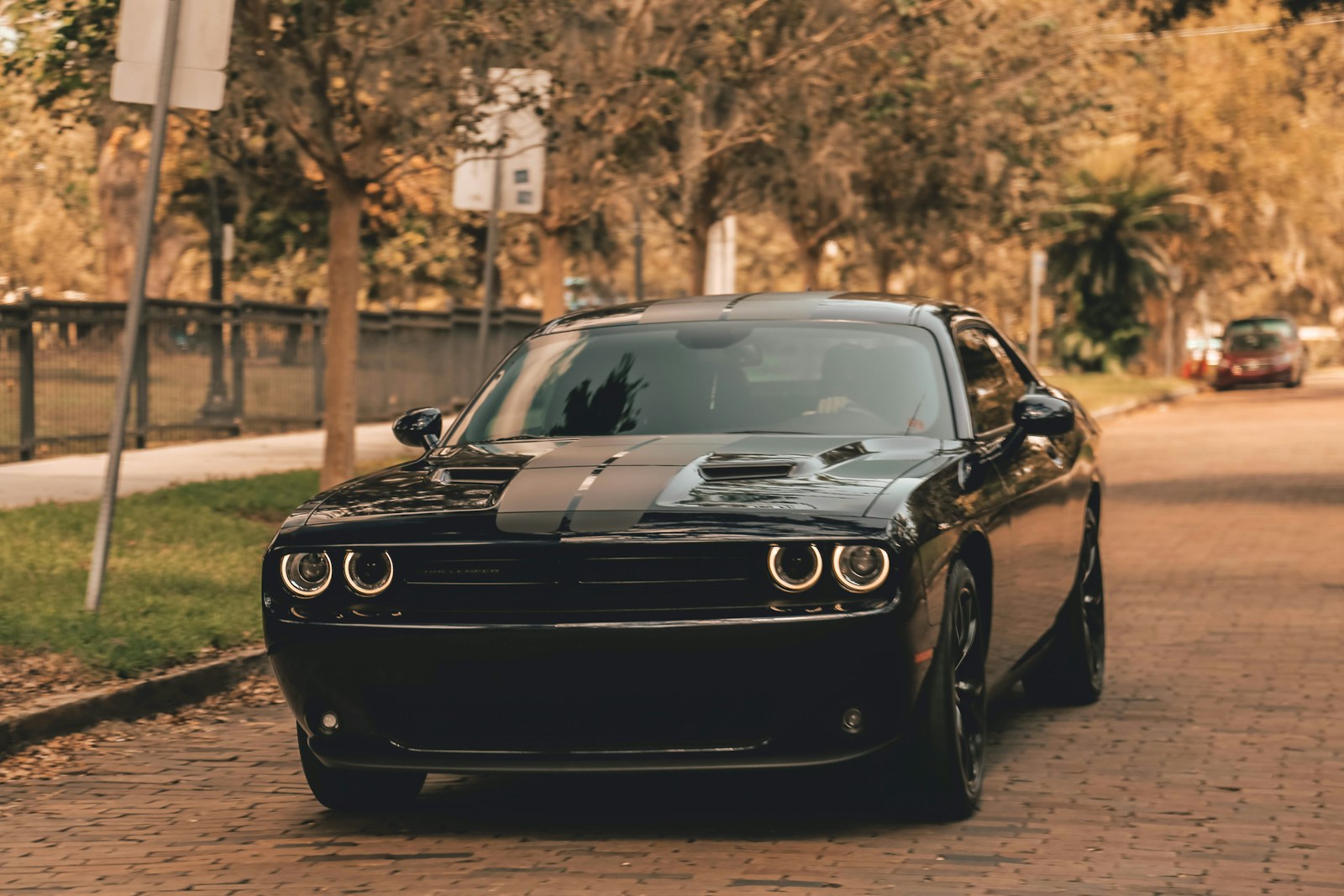
He told himself it was a “now or never” purchase, the kind you do before life gets too busy to enjoy anything with an engine. A used sports car popped up locally—clean title, low miles, the exact color he’d always pictured—and he did the mental math the way people do when they’ve already decided. The monthly payment looked manageable, the dealership guy kept saying the same line about “these hold their value,” and his friends were hyping him up like he’d just been accepted into a cooler version of adulthood.
The first crack in the fantasy came from his insurance app, not the bank. He’d barely gotten the car home before he started shopping for a new policy, expecting a bump but nothing wild. The quote came back and he refreshed it twice like it might be a glitch: basically double what he’d been paying on his old sedan. He went from feeling like a guy with a fun new toy to feeling like a guy who’d just adopted an expensive animal that ate money while he slept.
He complained about it the way people do—half joking, half fishing for someone to tell him it was normal and would settle down. He was more annoyed than panicked, because in his head it was still just a numbers puzzle. He could switch carriers, raise the deductible, bundle with renters insurance, do the “safe driver” tracking thing, whatever. What he didn’t realize yet was that the insurance hike wasn’t the punchline; it was the opening act.
The Quote That Made Him Feel Stupid
He called his insurance company and did the whole polite-but-pointed routine, like maybe a human being would see the price and admit they’d made a mistake. The agent didn’t even sound surprised. Sports car, higher theft rate, higher repair costs, higher likelihood of “spirited driving,” the agent said, using that careful phrase like they were trying not to accuse him of being a menace.
He tried to negotiate like it was a cable bill. What if he drove less? What if he took off comprehensive? What if he parked it in a garage? The agent calmly explained which parts were required because he had a loan, and which discounts were basically pennies compared to the new baseline he’d entered just by buying that car.
When he hung up, he sat in the driver’s seat for a minute without turning the key. The car smelled like fresh detailing chemicals and bad decisions. He texted a friend something like, “Bro, they’re charging me like I’m planning to crash this thing daily,” and got back a laughing response that didn’t help.
The Monthly Payment Was the Easy Part
He’d told himself the payment was the main commitment, the adult part. Insurance doubling felt like an ambush, but fine—he’d cut back on takeout, skip a couple nights out, maybe pause his gym membership he barely used anyway. The first month, he did the responsible thing and set everything on autopay, feeling weirdly proud of himself for “handling it.”
Then the hidden costs started showing up like spam you can’t unsubscribe from. The fuel bill jumped immediately, not because he was doing huge miles, but because he started taking the long way home just to hear the exhaust and feel the car pull. Premium gas turned into a weekly reminder that fun isn’t free, and the sports car wasn’t even the kind that guzzled—it just made him drive like he had something to prove.
The next one was tires. A warning light popped on, he took it to a shop, and the guy behind the counter looked at the spec sheet and whistled the way mechanics do when they’re trying to prepare you emotionally. The tires weren’t just “more expensive,” they were the kind with a brand name that sounds like a luxury watch, and the car chewed through them faster than his old sedan ever would. He walked out with an estimate that felt like it should’ve included a free meal.
Small Damage, Big Invoice
It wasn’t a crash that did him in first. It was something stupid: a shallow scrape on the front bumper from a parking curb he didn’t see because the nose of the car sat lower than what he was used to. He barely felt it happen, and when he got out he thought, “Okay, annoying, but it’s a little plastic. Touch-up paint and move on.”
The body shop disagreed, politely and thoroughly. The bumper wasn’t just a bumper, apparently—it had sensors, brackets, special paint, maybe a calibration step, and the kind of labor cost that assumes you’re billing your time in suit jackets. They showed him a breakdown that made the scrape look like a financial event, and suddenly the doubled insurance didn’t feel like highway robbery so much as a grim prophecy.
He considered filing a claim, then looked at his deductible, then thought about the premium he was already paying, then remembered the whole “claims can raise your rates” thing. The scrape sat there like a bruise he couldn’t stop poking. He started parking farther away, taking angles like he was docking a boat, and still felt like every parking lot was a threat.
The Accident That Didn’t Feel Like His Fault
A couple months later, the bigger hit came from someone else’s carelessness. He was stopped at a light when a crossover behind him rolled forward and tapped his rear bumper—one of those low-speed bumps that shouldn’t be a big deal. The other driver got out acting embarrassed and chatty, insisting they “barely touched” him and asking if they could just handle it without insurance.
He did the thing people tell you to do: took photos, got their info, kept it calm. The bumper looked fine at first, maybe a tiny crack near the edge. But later that night, he noticed a sensor warning on the dash, the kind you can’t ignore because it turns every drive into a blinking accusation.
When he got estimates, the numbers were immediately in “I hate this” territory. The other driver’s insurance dragged their feet, asking for more documentation, questioning whether the sensor issue was related, suggesting he go to a “preferred shop.” Meanwhile, he was paying for a rental that didn’t match his coverage because apparently his policy’s rental limit was built for a normal car, not the one he’d chosen out of pride.
He kept thinking, irrationally, that being the “not at fault” person would protect him from the financial fallout. But the timelines didn’t care about fairness. His car sat waiting for parts—parts that weren’t stocked because not many people need them, and when they do, they need them yesterday.
The Moment He Realized He’d Bought a Stress Machine
It wasn’t just money by that point. He started planning his day around protecting the car: avoiding certain streets, dodging potholes, skipping crowded lots, timing errands for hours when parking was easier. The thing that was supposed to be his reward turned into a constant background hum of vigilance, like owning a fragile glass sculpture that also goes 0–60 fast.
Friends wanted rides, of course. At first he loved it—windows down, quick pulls onto the highway, the little smiles people get when the car does what it does. Then he started getting weirdly tense when someone wore a belt buckle that might scratch the seat, or slammed the door too hard, or ate in the car like it was a normal vehicle and not the most expensive object he’d ever been responsible for.
The dealership thrill wore off and got replaced with phone calls: insurance adjusters, repair shops, parts departments, and his lender’s automated system reminding him that none of these hassles paused the monthly payment. He found himself checking his bank app more than the car’s oil level. The new normal wasn’t “I own a sports car,” it was “I’m financing a problem that looks great in photos.”
By the time his policy renewed, he wasn’t even surprised when the premium threatened to climb again. He stared at the email for a long time, doing the same math he’d done at the dealership, except now every number had a real memory attached to it—curb scrape, tire quote, rental bill, waiting on parts. He could sell it, sure, but he still owed enough that “selling it” sounded like another kind of loss, just with paperwork.
And that’s where he left it: still driving the car, still wincing at every new sound, still paying for the privilege of feeling anxious in something beautiful. The doubled insurance had been the first slap, but the real damage was how quickly the car turned from dream purchase to daily negotiation—between pride and practicality, between wanting to enjoy it and wanting to stop bleeding money, and between admitting he’d made a mistake and refusing to let the car be the thing that beat him.