


A driver faced what seemed like a automotive nightmare when a mechanic delivered the devastating news that his engine was beyond repair. The diagnosis suggested an expensive replacement or possibly scrapping the vehicle entirely. The driver sought a second opinion and discovered the actual problem cost just $120 to fix, proving the original assessment was completely wrong.
The experience highlights a frustrating reality many vehicle owners encounter when seeking repairs. One shop declares a car totaled while another identifies a simple, affordable solution. The driver’s decision to get another evaluation before committing to major work saved him potentially thousands of dollars.
This case demonstrates the significant variation in diagnostic accuracy across repair facilities. The story reveals how the driver navigated between conflicting professional opinions and ultimately found a shop that properly identified the issue. What seemed like a catastrophic engine failure turned out to be a manageable repair that required minimal parts and labor.
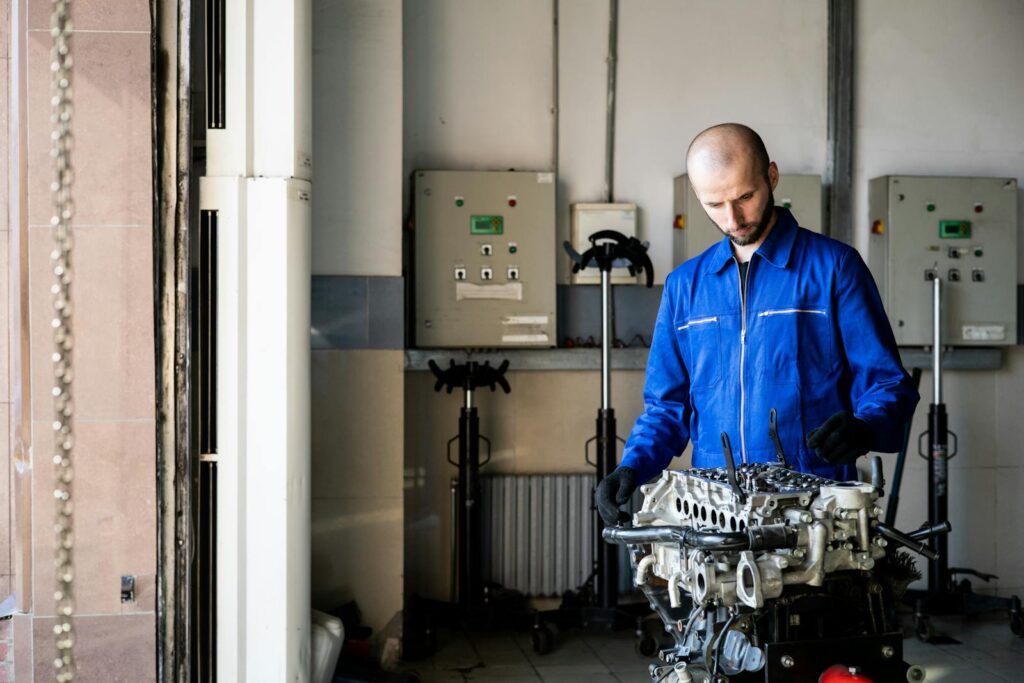
Mechanic Misdiagnosis: From ‘Beyond Saving’ to Quick Fix
A driver faced a devastating engine diagnosis at one shop, only to discover the problem required a simple fix costing just $120 at another facility. The stark difference between the two assessments highlights how misdiagnosis can lead to unnecessary panic and potentially thousands in wasted expenses.
The Initial Engine Diagnosis and Recommendation
The first mechanic delivered grim news about the vehicle’s engine condition. After examining the car, the shop declared the engine was “beyond saving” and recommended a complete replacement. This diagnosis suggested catastrophic damage that would require extensive work and significant investment.
The shop’s assessment left the driver facing a potential repair bill running into thousands of dollars. Engine replacements typically involve removing the old unit, sourcing a replacement, and installing it with new gaskets and fluids. The mechanic painted a picture of an engine so damaged that repair wasn’t economically viable.
The driver felt stuck between abandoning the vehicle or committing to an expensive overhaul. Similar situations occur when mechanics encounter complex symptoms and jump to worst-case conclusions without thorough diagnostic work.
How the Second Shop Identified the Real Issue
Seeking a second opinion, the driver brought his vehicle to another repair facility. The second mechanic took a different approach to diagnosing the engine problem. Rather than immediately recommending replacement, this shop performed systematic troubleshooting to pinpoint the actual cause.
The technicians discovered the issue wasn’t internal engine damage at all. The problem stemmed from a relatively minor component failure that mimicked more serious symptoms. Through proper diagnostic procedures, they identified what the first shop had missed or overlooked.
This scenario demonstrates how diagnostic approaches vary between repair facilities. The second shop’s methodical process revealed a fixable problem rather than terminal engine failure.
Breakdown of the $120 Repair: Labor and Parts
The actual repair cost broke down to minimal parts and labor expenses. The second shop charged approximately $120 total, a fraction of what an engine replacement would have required. This included the replacement component and the time needed to install it.
The parts themselves likely cost between $30 and $60, with the remaining amount covering diagnostic time and installation labor. The repair took significantly less time than the engine replacement the first shop had proposed. The driver left with a functioning vehicle for less than many routine maintenance services cost.
The dramatic price difference underscores the importance of accurate diagnosis in automotive repair. What seemed like a catastrophic failure requiring thousands turned out to be a straightforward fix any competent technician could handle.
Lessons for Car Owners: Avoiding Costly Automotive Mistakes
The driver’s experience highlights how different mechanics can reach drastically different conclusions about the same vehicle. Getting accurate diagnostics and knowing when to seek additional perspectives can save car owners thousands of dollars.
How to Get Reliable Car Diagnostics and Second Opinions
When a mechanic declares an engine beyond repair, many drivers feel pressured to accept that verdict immediately. The case demonstrates why car owners should resist that pressure and seek at least one additional evaluation before committing to expensive repairs or replacements.
Drivers can request written diagnostic reports that detail specific fault codes and test results. These reports provide concrete evidence of what the diagnostic equipment detected rather than relying solely on verbal explanations. Many modern vehicles use BMS (Battery Management Systems) and other computerized systems that generate error codes mechanics can interpret.
Taking the vehicle to an independent diagnostic specialist offers another layer of verification. These shops often charge flat fees for comprehensive inspections and don’t profit from the subsequent repairs, reducing potential conflicts of interest. Some drivers also use portable OBD-II scanners to check their own fault codes before visiting any shop.
Recognizing Common Signs of Engine Trouble
Car owners who understand basic warning signs can better evaluate whether a mechanic’s assessment seems reasonable. Unusual noises like knocking, grinding, or ticking often indicate specific problems rather than total engine failure.
Oil pressure warnings, overheating, excessive smoke, and sudden power loss represent serious concerns that need immediate attention. However, experienced mechanics who’ve worked on everything from tractors to ambulances know these symptoms don’t always mean replacement.
Drivers should pay attention to how gradually or suddenly problems develop. A slowly worsening oil leak differs significantly from catastrophic bearing failure. When mechanics claim an engine has sustained irreparable damage, asking them to show the physical evidence helps owners understand whether the assessment holds up.
The Impact of Second Opinions on Vehicle Repairs
The $120 repair versus a complete engine replacement illustrates the financial stakes involved in diagnostic accuracy. Second opinions have saved countless drivers from unnecessary expenses when the initial mechanic either misdiagnosed the problem or recommended excessive work.
Insurance companies and consumer protection agencies consistently report that getting a second evaluation before major repairs prevents overcharging and unnecessary services. Some extended warranty providers actually require multiple estimates for repairs exceeding certain dollar thresholds.
The time invested in obtaining another perspective typically pays for itself many times over. Even when the second mechanic confirms the original diagnosis, the driver gains peace of mind knowing the recommended repair truly represents the best solution.
Digital Tools and Certifications that Protect Drivers
Modern technology gives car owners more power to verify mechanic assessments than ever before. Smartphone apps can read diagnostic trouble codes directly from vehicles and provide explanations of what those codes mean in plain language.
Reputable mechanics display certifications like ASE (Automotive Service Excellence) credentials that demonstrate tested competency. European repair shops often show equipment with CE mark certification, indicating diagnostic tools meet established quality standards. These certifications don’t guarantee perfect diagnoses but they indicate minimum competency levels.
Digital maps of vehicle systems help owners visualize where components are located and how they connect. When a mechanic describes a problem, drivers can reference these diagrams to better understand the explanation. Online forums dedicated to specific vehicle makes and models provide real-world experiences from other owners who faced similar issues.
More from Steel Horse Rides: